Maddy summaryThis Senate Resolution formally acknowledges the Armenian Genocide, a systematic campaign of mass killing and deportation that occurred between 1915 and 1923 against Armenians living in the Ottoman Empire and later Turkey. The document details historical events, including the deaths of over 1.5 million people, the seizure of their property, and the subsequent denial of these atrocities by the modern Republic of Turkey. By reciting these facts, the resolution aims to preserve the historical record and honor the survivors and victims of this event.
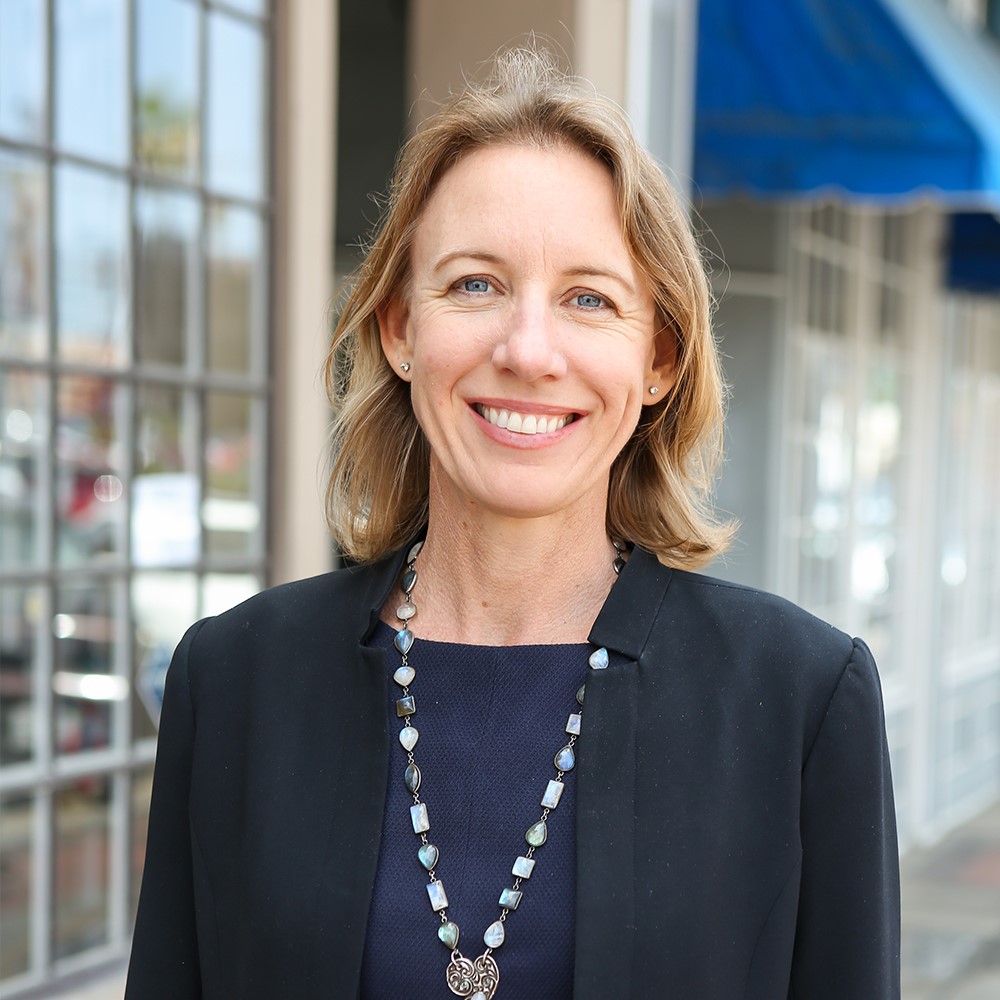
Sen. Catherine Blakespear
Sponsored bills
Maddy summarySenate Resolution 88 is a commemorative measure that formally recognizes the 50th anniversary of modern biotechnology and the 20th anniversary of the California Biotechnology Foundation. The resolution highlights California's historical role in pioneering biotech innovations like genetic engineering and gene editing, noting the industry's significant economic impact and contributions to medical advancements. It does not alter any laws or policies but serves to honor the scientists, innovators, and policymakers who have driven progress in the field.
This measure would acknowledge the Muslim holy month of Ramadan and express the Legislature's deepest respect to Muslims across California and throughout the world on this significant occasion.
Existing law designates specific days as holidays in this state, including Cesar Chavez Day on March 31, and requires the Governor to annually proclaim March 31 as Cesar Chavez Day. This bill would instead designate March 31 as Farmworkers Day and would require the Governor to annually proclaim March 31 as Farmworkers Day. This bill would declare that it is to take effect immediately as an urgency statute.
This measure would designate February 28, 2026, as Rare Disease Day and, with respect to rare diseases and disorders, would recognize the importance of improving awareness, encouraging accurate and early diagnosis, and supporting national and global efforts to develop effective treatments, diagnostics, and cures.
Maddy summaryThis Senate Resolution formally declares March 2026 as Women's History Month in California to honor the historical and ongoing contributions of women across all fields of society. The measure recognizes women's roles in building the nation and state while acknowledging that many of their achievements have been overlooked or undocumented. By joining the United States Congress and state organizations in this observance, the resolution aims to raise awareness of women's accomplishments and encourage continued efforts to address gender inequity. The text is a commemorative proclamation rather than a law that changes specific regulations or mandates new programs.
Maddy summarySenate Resolution 82 declares February 2026 as Children's Dental Health Month in California to raise awareness about the importance of oral health. The resolution highlights that tooth decay is a major public health issue affecting many children, particularly those from disadvantaged backgrounds, and notes that untreated dental problems can lead to missed school days and learning difficulties. While acknowledging recent improvements in access to Medi-Cal dental services, the bill emphasizes the need for continued efforts to prevent cavities through education and preventive care. This measure serves as a symbolic recognition rather than establishing new laws or funding, aiming to encourage policymakers and the public to focus on childhood oral health.
Existing law establishes the Department of Motor Vehicles, tasked with issuance and renewal of licenses to drivers. Existing law requires the department to prescribe and provide suitable forms of applications, certificates of ownership, registration cards, driver's licenses, and all other forms that are deemed necessary. This bill would, by January 1, 2027, require the department, in consultation with relevant stakeholders, to develop a Blue Envelope Program. Under the program, the bill would require the blue envelope to contain specified information for requesters with a condition or disability, as specified. The bill would also authorize others, including a parent or legal guardian of a passenger with a disability, to request a blue envelope.
The California Beverage Container Recycling and Litter Reduction Act, which is administered by the Department of Resources Recycling and Recovery, is established to promote beverage container recycling. The act defines "beverage container" to mean the individual, separate bottle, can, jar, carton, or other receptacle, however denominated, in which a beverage is sold, and that is constructed of metal, glass, or plastic, or other material, or any combination of these materials, but does not include cups or other similar open or loosely sealed receptacles. A violation of the act is a crime. Existing law authorizes the department, subject to the availability of funds, to pay a quality incentive payment of up to $180 per ton to qualified recyclers for thermoform plastic containers diverted from curbside recycling programs, as provided. This bill would delete that authorization. The bill would instead require, on and after January 1, 2027, if a beverage is subject to the act and offered for sale in a plastic beverage container with a plastic cap, beverage manufacturers to ensure that the container has a cap that is tethered to the container that prevents the separation of the cap from the container when the cap is removed from the container by the consumer. The bill would exempt, until January 1, 2028, any type of beverage container with a recycling rate of better than 70% for calendar years 2022 and 2023, as determined by the department, from compliance with that requirement. The bill would exempt beverage containers with a capacity of 2 liters or more and beverage containers that contain beer or other malt beverages, wine or distilled spirits, or 100% fruit juice from the scope of the bill. The bill would also exempt a refillable plastic beverage container and a beverage manufacturer that sold or transferred 16,000,000 or fewer plastic beverage containers, as provided, during the previous calendar year from the scope of the bill. By creating a new requirement under the act, a violation of which would be a crime, this bill would impose a state-mandated local program. The California Constitution requires the state to reimburse local agencies and school districts for certain costs mandated by the state. Statutory provisions establish procedures for making that reimbursement. This bill would provide that no reimbursement is required by this act for a specified reason.

Existing law requires the Department of Justice to conduct inspections of certain firearm dealers every 3 years in order to ensure compliance with specified requirements. Existing law requires inspections to include a sampling of between 25% and 50% of dealer records of each type. Existing law authorizes the department to assess a fee, up to $115, in order to cover various costs, including the costs of inspections. This bill would instead require the department's sampling of dealer records to include at least 25% of each record type. The bill would also authorize the department to periodically increase the inspection fee, as specified. The bill would require the department to annually inspect the 10 firearm dealer locations, as specified, with the highest percentage of total sales that were recovered by law enforcement and found to be illegally possessed, used in a crime, or suspected to have been used in a crime. The bill would require the department to conduct the inspections within 12 months of the release of its annual report unless the dealer location has been inspected within 6 months prior to the release of the report. Existing law directs law enforcement agencies to submit the description of a firearm that has been reported stolen, lost, found, recovered, or under observation directly to an automated Department of Justice system. Existing law requires these law enforcement agencies to report to the department any information in their possession necessary to identify and trace the history of a recovered firearm that is illegally possessed, has been used in a crime, or is suspected of having been used in a crime. Existing law requires the department to analyze this data and to submit an annual report to the Legislature summarizing this analysis, as specified. The bill would also require firearm dealers, commencing January 1, 2028, to maintain inventory records, as specified, at their place of business in a manner prescribed by the department. The bill would additionally require firearm dealers to produce an affidavit, under penalty of perjury, certifying the accuracy of all records, upon request. By expanding the crime of perjury, this bill would impose a state-mandated local program. Existing law requires the department to keep a centralized list of all persons who meet the specified requirements of a dealer, licensee, or person licensed, except as specified. Existing law requires the department to remove various persons from this list, including those whose federal firearms license has expired or has been revoked. The bill would additionally authorize the department to remove a person from the centralized list who has willfully failed to comply with specified licensing requirements or who, among other things, failed to remedy violations discovered as a result of an inspection within 90 days of the inspection. The bill would make a violation of these provisions punishable by a fine and render a person ineligible for placement on the centralized list for 2 years from the date of removal from the list. The California Constitution requires the state to reimburse local agencies and school districts for certain costs mandated by the state. Statutory provisions establish procedures for making that reimbursement. This bill would provide that no reimbursement is required by this act for a specified reason.