

The Personal Income Tax Law and the Corporation Tax Law, in conformity with federal income tax law, generally define "gross income" as income from whatever source derived, except as specifically excluded, and provide various exclusions from gross income. Existing law, in conformity with the federal Coronavirus Aid, Relief, and Economic Security Act (CARES Act) , and its subsequent amendments in the Paycheck Protection Program and Health Care Enhancement Act and the Paycheck Protection Program Flexibility Act of 2020, among other things, excludes any amounts of covered loans forgiven under the CARES Act from gross income for purposes of the Personal Income Tax Law and the Corporation Tax Law. Existing law reduces the amount of any credit or deduction otherwise allowed under the Personal Income Tax and the Corporation Tax Law for any amount paid or incurred by the taxpayer upon which this exclusion is based by the amount of the exclusion allowed. Existing law requires any bill authorizing a new tax expenditure to contain, among other things, specific goals, purposes, and objectives the tax expenditure will achieve, detailed performance indicators, and data collection requirements. Existing federal law, the Consolidated Appropriations Act, 2021, prohibits reductions in tax deductions, denials of basis adjustments, and reductions in tax attributes for federal income tax purposes based on the exclusion from gross income provided in the federal CARES Act and its subsequent amendments. This bill would exclude, for taxable years beginning on or after January 1, 2019, from gross income any advance grant amount, as defined, issued pursuant to specified provisions of the CARES Act or the Consolidated Appropriations Act, 2021, and covered loan amounts forgiven pursuant to the Consolidated Appropriations Act, 2021. This bill would adopt, except as provided, the provisions of the Consolidated Appropriations Act, 2021, prohibiting any reduction in tax deductions, denials of basis adjustments, and reductions in tax attributes based on the exclusion from gross income provided for any loan amount forgiven in modified conformity with the federal CARES Act and its subsequent amendments. This bill would provide findings to comply with the additional information requirement for any bill authorizing a new tax expenditure. This bill would also make findings and declarations related to a gift of public funds. This bill would declare that it is to take effect immediately as an urgency statute.
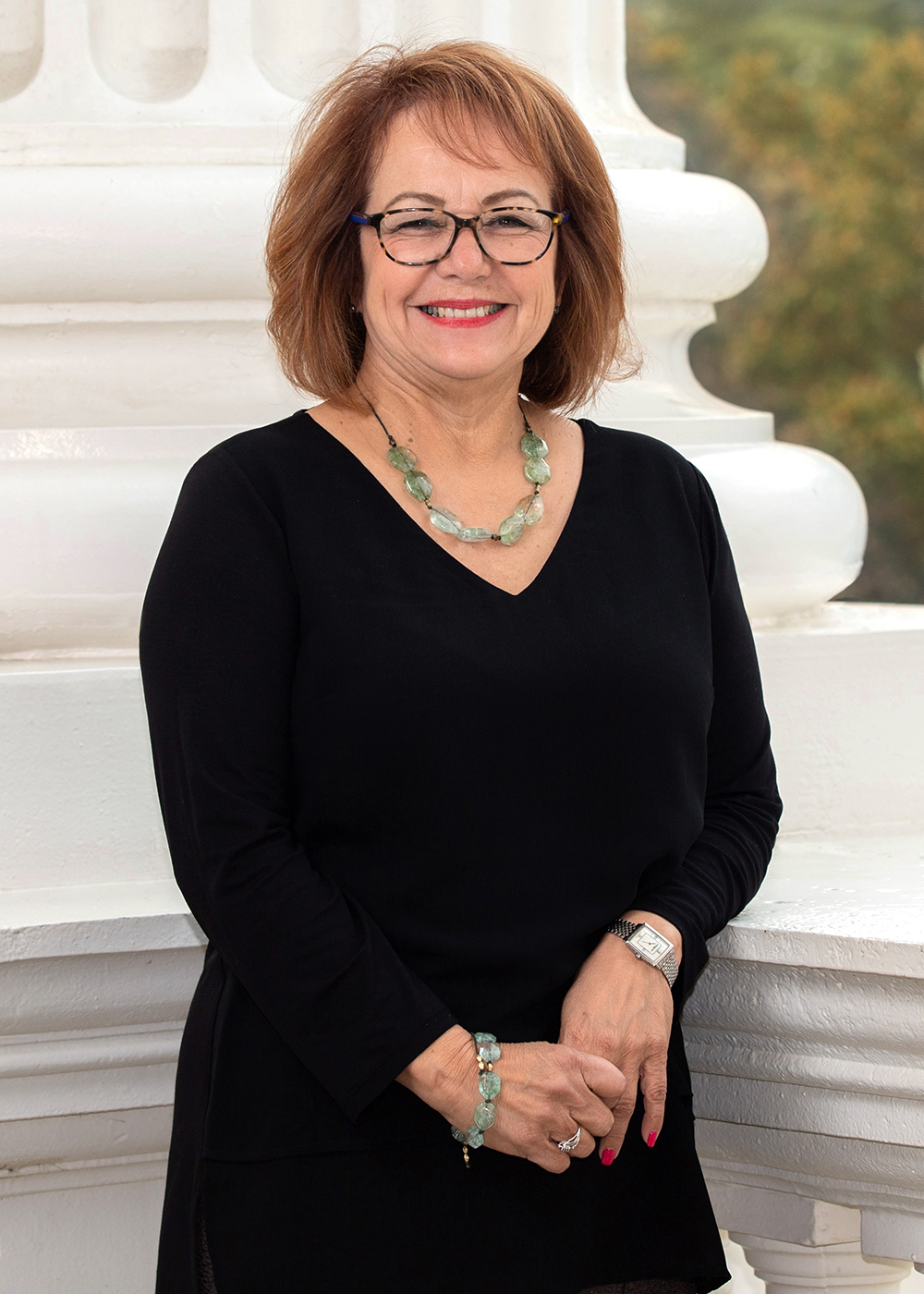
Sen. María Elena Durazo
Sponsored bills
(1) Existing law establishes the Office of Small Business Advocate (CalOSBA) within the Governor's Office of Business and Economic Development, also known as GO-Biz, to advocate for causes of small business and to provide small businesses with the information they need to survive in the marketplace. Existing law prescribes the duties and functions of the Small Business Advocate, who is also the Director of the Office of Small Business Advocate. This bill would establish the California Small Business COVID-19 Relief Grant Program within CalOSBA to assist qualified small businesses affected by COVID-19 through administration of grants. The bill would require CalOSBA to provide grants to qualified small businesses, as defined, in accordance with specified criteria, including geographic distribution based on COVID-19 restrictions, industry sectors most impacted by the pandemic, and underserved small businesses. The bill would repeal these provisions on January 1, 2024. This bill would appropriate $2,075,000,000 from the General Fund to the Golden State Stimulus Emergency Fund to be transferred to the Office of Small Business Advocate for purposes of the program, and would allocate $50,000,000 of those funds for eligible nonprofit cultural institutions, as defined. (2) The Personal Income Tax Law and the Corporation Tax Law, in conformity with federal income tax law, generally define "gross income" as income from whatever source derived, except as specifically excluded, and provide various exclusions from gross income. This bill would exclude, for taxable years beginning on or after January 1, 2020, and before January 1, 2030, from gross income specified grant allocations, including grant allocations received by a taxpayer pursuant to a grant program funded by Executive Order No. 20/21-182 and pursuant to the California Small Business COVID-19 Relief Grant Program. The bill would authorize the Franchise Tax Board to adopt regulations that are necessary and appropriate to implement the exclusions, and would provide the Administrative Procedure Act does not apply to any regulation, standard, criterion, procedure, determination, rule, notice, guideline, or any other guidance established or issued by the board pursuant to the exclusions. The bill would also authorize the board to include in audits the grants that are excluded from gross income by the bill's provisions. The bill would set forth procedures for recapturing grant amounts if CalOSBA determines that the grantee has failed to meet the criteria for a qualified small business. (3) This bill would also make findings and declarations related to a gift of public funds. (4) This bill would declare that it is to take effect immediately as a bill providing for appropriations related to the Budget Bill.
Existing law generally prescribes the procedure for the prosecution of persons arrested for committing a crime, including pleadings, bail, pretrial proceedings, trial, judgment, sentencing, and appeals. Existing law allows a person who is unlawfully imprisoned or restrained of their liberty to prosecute a writ of habeas corpus to inquire into the cause of their imprisonment or restraint. Existing law allows a writ of habeas corpus to be prosecuted for, among other things, relief based on the use of false evidence that is substantially material or probative to the issue of guilt or punishment that was introduced at trial. This bill would prohibit the state from seeking a criminal conviction or sentence on the basis of race, ethnicity, or national origin, as specified. The bill would allow a writ of habeas corpus to be prosecuted on the basis of that prohibition, and would require the defendant to appear at the evidentiary hearing by video unless their presence in court is needed. The bill would permit a defendant to file a motion requesting disclosure of all evidence relevant to a potential violation of that prohibition that is in the possession or control of the prosecutor and would require a court, upon a showing of good cause, to order those records to be released. The bill would authorize a court that finds a violation of that prohibition to impose a remedy specified in the bill. The bill would apply its provisions to adjudications and dispositions in the juvenile delinquency system. The bill would apply its provisions only prospectively to cases in which judgment has not been entered prior to January 1, 2021. Existing law creates an explicit right for a person no longer imprisoned or restrained to file a motion to vacate a conviction or sentence based on a prejudicial error damaging to the moving party's ability to meaningfully understand, defend against, or knowingly accept the actual or potential adverse immigration consequences of a plea of guilty or nolo contendere, or based on newly discovered evidence of actual innocence, as specified. This bill would additionally allow for a person no longer imprisoned or restrained to file a motion to vacate a conviction or sentence based on a conviction or sentence that was sought, obtained, or imposed on the basis of race, ethnicity, or national origin in violation of the bill's provisions. This bill would state that its provisions are severable.
Existing law, since January 1, 2018, prohibits the imposition of financial liability on the parents or guardians of a minor who has been adjudged a ward of the juvenile court for certain county-assessed or court-ordered costs, such as transportation to a juvenile facility, legal assistance, and home supervision. Existing law, since January 1, 2018, does not require minors who are required to submit to drug and substance abuse testing to pay for the costs associated with testing. Finally, existing law, since January 1, 2018, only requires adults over 21 years of age to pay an administrative fee associated with a home detention program. This bill would vacate certain county-assessed or court-ordered costs imposed before January 1, 2018, for the parents or guardians of wards in specified circumstances, minors who were ordered to participate in drug and substance abuse testing, and adults who were 21 years of age and under at the time of their home detention.
Existing law creates the Office of Emergency Services within the office of the Governor. The office is responsible for the state's emergency and disaster response services for natural, technological, or man-made disasters and emergencies. Existing law requires the office to establish by rule and regulation various classes of disaster service workers, the scope of the duties of each class, and to adopt rules and regulations for the registration of each class of these workers. Existing law requires the office to work with advocacy groups representing the deaf and hard of hearing for the purpose of improving accessibility to emergency information and services for the populations that they serve. Existing law requires the office to develop a plan for state and local utilization of volunteers during a state of emergency. This bill would, until January 1, 2024, enact the Community Response Initiative to Strengthen Emergency Systems Act or the C.R.I.S.E.S. Act for the purpose of creating, implementing, and evaluating the C.R.I.S.E.S. Act Grant Pilot Program, which the act would establish. The bill would require the Office of Emergency Services to establish rules and regulations for the act with the goal of making grants to community organizations, over 3 years, for the purpose of expanding the participation of community organizations in emergency response for specified vulnerable populations. The bill would require that grantees receive a minimum award of $250,000 per year. The bill would require a community organization receiving funds pursuant to the program to use the grant to stimulate and support involvement in emergency response activities that do not require a law enforcement officer, as specified. The bill would require the director of the office to assemble staff and resources to carry out certain duties in support of the program. The bill would require the office to support an 11-member C.R.I.S.E.S. Advisory Committee, selected by the Governor, the Chair of the Senate Rules Committee, and the Speaker of the Assembly, as specified, to be inclusive of community organizations with a proven history of leadership and partnership on emergency response. The committee would establish grant application criteria and parameters for eligible community organizations, review and decide upon grant proposals, ensure grants are adhering to standards, and make recommendations to the office, among other things. The bill would establish the Community Response Initiative to Strengthen Emergency Systems Act Fund in the State Treasury in support of the program, to be administered by the director. The bill would require that the act be implemented only if appropriate funding is made available to the office, which would make a determination to this effect, to be published on its internet website. The bill would provide that if the appropriation was not made, the office would bear no responsibility for implementing the act. The bill would make findings and declarations in regard to innovative approaches to emergency responses.