

Existing law authorizes an individual to contribute amounts in excess of the individual's personal income tax liability for the support of specified funds. Existing law allows a taxpayer to designate an amount in excess of personal income tax liability to be deposited into the California Senior Citizen Advocacy Voluntary Tax Contribution Fund, which is continuously appropriated to the California Senior Legislature for the purpose of funding the activities of the California Senior Legislature. Existing law requires the Franchise Tax Board to revise the return for taxable years 2017 to 2023, inclusive, to include a space for that designation, and repeals these voluntary contribution provisions on January 1, 2025. This bill would require the Franchise Tax Board to revise the return for taxable years 2017 to 2030, inclusive, to allow a taxpayer to designate an amount in excess of personal income tax liability to be deposited into the California Senior Citizen Advocacy Voluntary Tax Contribution Fund, and would extend the repeal date for these provisions to January 1, 2032. By extending a continuously appropriated fund, the bill would make an appropriation.
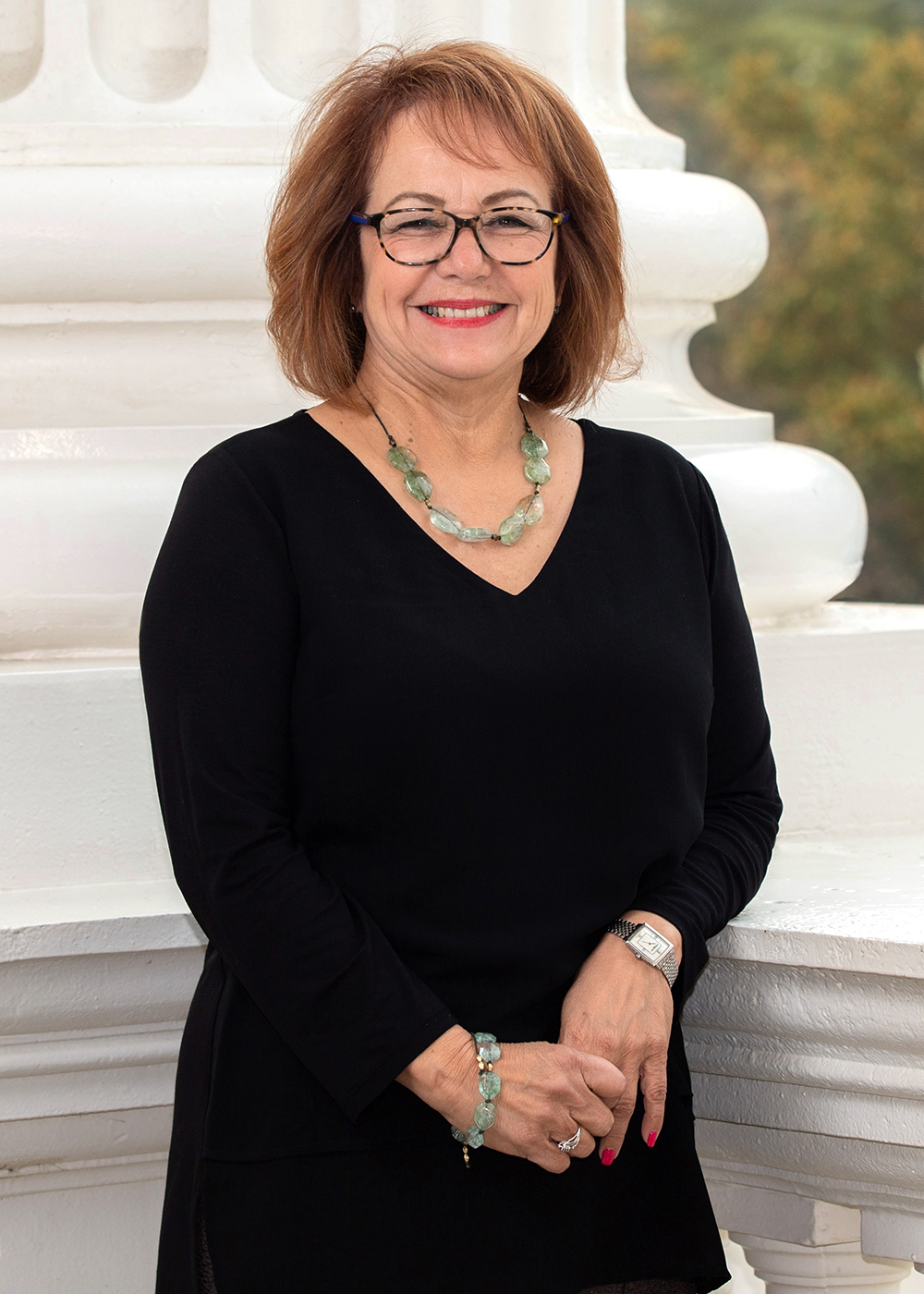
Sen. María Elena Durazo
Sponsored bills
The California Constitution provides that only a marriage between a man and a woman is valid or recognized in California, and federal law permanently enjoins the state from enforcing this constitutional provision. This measure would repeal this unenforceable constitutional provision and would instead provide that the right to marry is a fundamental right, as specified.
This measure would proclaim June 24, 2023, as Play Day and encourage all Californians to go out and play on that day.
This measure would condemn Azerbaijan's blockade of the Republic of Artsakh and urge the United States government to take immediate action to assist the Armenians of Artsakh.
This measure would proclaim October 5, 2023, as Latina Equal Pay Day in California, in recognition of the need to eliminate the gender gap in earnings by women and to promote policies to ensure equal pay for all.
(1) Existing law establishes the Department of Transportation in the Transportation Agency. Existing law establishes the California Workforce Development Board as the body responsible for assisting the Governor in the development, oversight, and continuous improvement of California's workforce investment system and the alignment of the education and workforce investment systems to the needs of the 21st century economy and workforce. Under existing law, the California Workforce Development Board assists the Governor in the administration, promotion, and expansion of high road construction careers. This bill would require the Department of Transportation to work in partnership with the California Workforce Development Board to support California's high road construction careers program. The bill would require the department to reserve a minimum aggregate total of $50,000,000 of federal funds from the federal Infrastructure Investment and Jobs Act to be allocated over 4 years to support the program. (2) Existing law authorizes a public entity to use, enter into, or require contractors to enter into, a project labor agreement, as defined, for a construction project only if the agreement includes specified taxpayer protection provisions. Existing law authorizes the members of the governing board of a local public entity to choose by majority vote whether to use, enter into, or require contractors to enter into a project labor agreement that includes taxpayer protection provisions for a specific project or projects. This bill, on or after January 1, 2026, would authorize a state agency to use, enter into, or require contractors to enter into, a project labor agreement that applies to a project or set of projects with aggregate construction costs in excess of $35,000,000 only if the agreement also includes provisions to address community benefits, as described. (3) Existing law establishes specified procedures governing contracts between public entities and their contractors and subcontractors. Existing law also establishes the Labor and Workforce Development Agency, the Government Operations Agency, and the Transportation Agency within state government and sets forth their regulatory duties. This bill would require the above-described state agencies to convene relevant stakeholders to provide input on recommendations to establish material terms to be included as a material part of a contract. The bill would require these agencies to meet with those stakeholders in the process of developing recommendations, and to consult with specified state entities, including the Civil Rights Department, as prescribed. The bill would require those recommendations to be provided to the Governor and the Legislature by March 30, 2024, and also presented to the California Workforce Development Board in a regularly scheduled public meeting. (4) This bill would declare that it is to take effect immediately as an urgency statute.
Existing state law forbids a public employer from deterring or discouraging public employees from becoming or remaining members of an employee organization. Existing federal law forbids employers from interfering with, restraining, or coercing employees in the exercise of rights relating to organizing, forming, joining, or assisting a labor organization for collective bargaining purposes, or from working together to improve terms and conditions of employment, or refraining from any such activity. This measure, the Right to Organize and Negotiate Act, would ensure that all Californians have the right to join a union and to negotiate with their employers, through their legally chosen representative, to protect their economic well-being and safety at work. This measure would require the Legislature to provide for the enforcement of these rights. This measure would also prohibit, after January 1, 2023, the passing of any statute or ordinance that interferes with, negates, or diminishes the right of employees to organize and bargain collectively over their wages, hours, and other terms and conditions of employment and workplace safety.
This measure would dedicate the month of May 2023 as Maternal Mental Health Awareness Month.