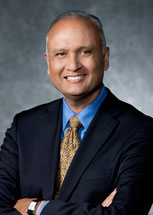
Photo of Ed Hernandez
D California Senate · District 22

Sen. Ed Hernandez

Compare
Total votes
26,650
all sessions
Attendance
96%
959 missed
Near the chamber average
With party
99%
of cast votes
Higher than 88% of chamber peers
Bipartisan score
0%
crosses aisle rarely
Lower than 89% of chamber peers
Sponsored
618
bills & resolutions
Lower than 89% of chamber peers
Committees
0
assignments
618 bills and resolutions

Sponsored bills

Total
618
Primary
247
Co-sponsor
371
This page
618
matching current filters
Primary SB 461
Signed into law · California Senate · Lead sponsor
State Highway Route 164: relinquishment.

Existing law provides that the Department of Transportation has full possession and control of all state highways. Existing law describes the authorized routes in the state highway system and establishes a process for adoption of a highway on an authorized route by the California Transportation Commission. Existing law authorizes the commission to relinquish certain state highway segments to local agencies. This bill would authorize the commission to relinquish specified portions of State Highway Route 164 to the County of Los Angeles and to the City of South El Monte, under specified conditions.

Signed into law Oct 7, 2015 0 co-sponsors
Co-sponsor SB 358
Signed into law · California Senate · Co-sponsor
Conditions of employment: gender wage differential.

Existing law regulates the payment of compensation to employees by employers and prohibits an employer from conditioning employment on requiring an employee to refrain from disclosing the amount of his or her wages, signing a waiver of the right to disclose the amount of those wages, or discriminating against an employee for making such a disclosure. Existing law generally prohibits an employer from paying an employee at wage rates less than the rates paid to employees of the opposite sex in the same establishment for equal work on jobs the performance of which requires equal skill, effort, and responsibility, and which are performed under similar working conditions. Existing law establishes exceptions to that prohibition where the payment is made pursuant to a seniority system, a merit system, a system which measures earnings by quantity or quality of production, or a differential based on any bona fide factor other than sex. Existing law makes it a misdemeanor for an employer or other person acting either individually or as an officer, agent, or employee of another person to pay or cause to be paid to any employee a wage less than the rate paid to an employee of the opposite sex as required by these provisions, or who reduces the wages of any employee in order to comply with these provisions. This bill would revise that prohibition to eliminate the requirement that the wage differential be within the same establishment, and instead would prohibit an employer from paying any of its employees at wage rates less than those paid to employees of the opposite sex for substantially similar work, when viewed as a composite of skill, effort, and responsibility, as specified. The bill would revise and recast the exceptions to require the employer to affirmatively demonstrate that a wage differential is based upon one or more specified factors, including a seniority system, a merit system, a system that measures earnings by quantity or quality of production, or a bona fide factor other than sex, as specified. The bill would also require the employer to demonstrate that each factor relied upon is applied reasonably, and that the one or more factors relied upon account for the entire differential. The bill would prohibit an employer from discharging, or in any manner discriminating or retaliating against, any employee by reason of any action taken by the employee to invoke or assist in any manner the enforcement of these provisions. The bill would authorize an employee who has been discharged or discriminated or retaliated against, in the terms and conditions of his or her employment because the employee engaged in any conduct delineated in these provisions, to recover in a civil action reinstatement and reimbursement for lost wages and work benefits caused by the acts of the employer, including interest thereon, as well as appropriate equitable relief. The bill would prohibit an employer from prohibiting an employee from disclosing the employee's own wages, discussing the wages of others, inquiring about another employee's wages, or aiding or encouraging any other employee to exercise his or her rights under these provisions. The bill would also increase the duration of employer recordkeeping requirements from 2 years to 3 years. By changing the definition of a crime, this bill would impose a state-mandated local program. The California Constitution requires the state to reimburse local agencies and school districts for certain costs mandated by the state. Statutory provisions establish procedures for making that reimbursement. This bill would provide that no reimbursement is required by this act for a specified reason.


Signed into law Oct 6, 2015 1 co-sponsor
Co-sponsor AB 15
Signed into law · California Assembly · Co-sponsor
End of life.

Existing law authorizes an adult to give an individual health care instruction and to appoint an attorney to make health care decisions for that individual in the event of his or her incapacity pursuant to a power of attorney for health care. This bill, until January 1, 2026, would enact the End of Life Option Act authorizing an adult who meets certain qualifications, and who has been determined by his or her attending physician to be suffering from a terminal disease, as defined, to make a request for a drug prescribed pursuant to these provisions for the purpose of ending his or her life. The bill would establish the procedures for making these requests. The bill would also establish specified forms to request an aid-in-dying drug, under specified circumstances, an interpreter declaration to be signed subject to penalty of perjury, thereby creating a crime and imposing a state-mandated local program, and a final attestation for an aid-in-dying drug. This bill would require specified information to be documented in the individual's medical record, including, among other things, all oral and written requests for an aid-in-dying drug. This bill would prohibit a provision in a contract, will, or other agreement from being conditioned upon, or affected by, a person making or rescinding a request for the above-described drug. The bill would prohibit the sale, procurement, or issuance of any life, health, or annuity policy, health care service plan contract, or health benefit plan, or the rate charged for any policy or plan contract, from being conditioned upon or affected by the request. The bill would prohibit an insurance carrier from providing any information in communications made to an individual about the availability of an aid-in-dying drug absent a request by the individual or his or her attending physician at the behest of the individual. The bill would also prohibit any communication from containing both the denial of treatment and information as to the availability of aid-in-dying drug coverage. This bill would provide a person, except as provided, immunity from civil or criminal liability solely because the person was present when the qualified individual self-administered the drug, or the person assisted the qualified individual by preparing the aid-in-dying drug so long as the person did not assist with the ingestion of the drug, and would specify that the immunities and prohibitions on sanctions of a health care provider are solely reserved for conduct of a health care provider provided for by the bill. The bill would make participation in activities authorized pursuant to its provisions voluntary, and would make health care providers immune from liability for refusing to engage in activities authorized pursuant to its provisions. The bill would also authorize a health care provider to prohibit its employees, independent contractors, or other persons or entities, including other health care providers, from participating in activities under the act while on the premises owned or under the management or direct control of that prohibiting health care provider, or while acting within the course and scope of any employment by, or contract with, the prohibiting health care provider. This bill would make it a felony to knowingly alter or forge a request for drugs to end an individual's life without his or her authorization or to conceal or destroy a withdrawal or rescission of a request for a drug, if it is done with the intent or effect of causing the individual's death. The bill would make it a felony to knowingly coerce or exert undue influence on an individual to request a drug for the purpose of ending his or her life, to destroy a withdrawal or rescission of a request, or to administer an aid-in-dying drug to an individual without their knowledge or consent. By creating a new crime, the bill would impose a state-mandated local program. The bill would provide that nothing in its provisions is to be construed to authorize ending a patient's life by lethal injection, mercy killing, or active euthanasia, and would provide that action taken in accordance with the act shall not constitute, among other things, suicide or homicide. This bill would require physicians to submit specified forms and information to the State Department of Public Health after writing a prescription for an aid-in-dying drug and after the death of an individual who requested an aid-in-dying drug. The bill would authorize the Medical Board of California to update those forms and would require the State Department of Public Health to publish the forms on its Internet Web site. The bill would require the department to annually review a sample of certain information and records, make a statistical report of the information collected, and post that report to its Internet Web site. Existing constitutional provisions require that a statute that limits the right of access to the meetings of public bodies or the writings of public officials and agencies be adopted with findings demonstrating the interest protected by the limitation and the need for protecting that interest. This bill would make legislative findings to that effect. The California Constitution requires the state to reimburse local agencies and school districts for certain costs mandated by the state. Statutory provisions establish procedures for making that reimbursement. This bill would provide that no reimbursement is required by this act for a specified reason.
Signed into law Oct 5, 2015 1 co-sponsor
Primary SB 327
Signed into law · California Senate · Lead sponsor
Industrial Welfare Commission: wage orders: meal periods.

Existing law provides it is the continuing duty of the Industrial Welfare Commission to ascertain the wages paid to all employees in this state, to ascertain the hours and conditions of labor and employment in the various occupations, trades, and industries in which employees are employed in this state, and to investigate the health, safety, and welfare of those employees. Existing law establishes the Division of Labor Standards Enforcement in the Department of Industrial Relations for the enforcement of labor laws, including orders of the commission. Existing law, subject to certain exceptions, prohibits an employer from requiring an employee to work more than 5 hours per day without providing a meal period and, notwithstanding that provision, authorizes the commission to adopt a working condition order permitting a meal period to commence after 6 hours of work if the order is consistent with the health and welfare of affected employees. Existing law, except as provided in that described meal period provision, authorizes the commission to adopt or amend working condition orders with respect to break periods, meal periods, and days of rest for any workers in California consistent with the health and welfare of those workers. Existing law requires the commission, by July 1, 2000, to adopt wage, hours, and working condition orders necessary to ensure fairness in the establishment of employee workweek schedules. Existing law further requires the commission, by July 1, 2000, to conduct reviews of wages, hours, and working conditions in specified industries and to adopt or modify regulations necessary to protect the health, safety, and welfare of workers in those industries. Existing wage orders of the commission provide that employees in the health care industry who work shifts in excess of 8 total hours in a workday may voluntarily waive their right to 1 of their 2 meal periods in a prescribed manner. Existing law prohibits an employer from requiring an employee to work during a meal or rest or recovery period mandated by an applicable statute, or applicable regulation, standard, or order of the commission, the Occupational Safety and Health Standards Board, or the Division of Occupational Safety and Health, and establishes penalties for an employer's failure to provide a mandated meal or rest or recovery period. This bill would provide that the health care employee meal period waiver provisions in those existing wage orders were valid and enforceable on and after October 1, 2000, and continue to be valid and enforceable. The bill would state that the bill is declarative of, and clarifies, existing law. This bill would declare that it is to take effect immediately as an urgency statute.

Signed into law Oct 5, 2015 0 co-sponsors
Primary SB 464
Signed into law · California Senate · Lead sponsor
Healing arts: self-reporting tools.

The Medical Practice Act provides for licensure and regulation of physicians and surgeons by the Medical Board of California, and authorizes a physician and surgeon to, among other things, use drugs or devices in or upon human beings. The Medical Practice Act makes it unprofessional conduct for a physician and surgeon to prescribe, dispense, or furnish dangerous drugs without an appropriate prior examination and medical indication. The act prohibits, with specified exceptions, a person or entity from prescribing, dispensing, or furnishing, or causing to be prescribed, dispensed, or furnished, dangerous drugs or dangerous devices on the Internet for delivery to a person in California without an appropriate prior examination and medical indication. The Nursing Practice Act provides for the licensure and regulation of registered nurses, including nurse practitioners and certified nurse-midwives, by the Board of Registered Nursing within the Department of Consumer Affairs. The Nursing Practice Act authorizes a registered nurse to dispense self-administered hormonal contraceptives, as specified, in accordance with standardized procedures, including demonstration of competency in providing the appropriate prior examination comprised of checking blood pressure, weight, and patient and family health history, including medications taken by the patient. The Nursing Practice Act also authorizes certified nurse-midwives and nurse practitioners to furnish or order drugs or devices, as specified. The Physician Assistant Practice Act provides for the licensure and regulation of physician assistants by the Physician Assistant Board within the jurisdiction of the Medical Board of California, and authorizes a physician assistant to administer or provide medication to a patient or to transmit a drug order, as specified. The Pharmacy Law provides for the licensing and regulation of pharmacists by the California State Board of Pharmacy within the Department of Consumer Affairs, and authorizes a pharmacist to furnish self-administered hormonal contraceptives in accordance with standardized procedures and protocols. The Pharmacy Law requires the standardized procedures and protocols to require a patient to use a self-screening tool that will identify patient risk factors for the use of self-administered hormonal contraceptives, as specified. This bill, notwithstanding any other law, would authorize a physician and surgeon, a registered nurse acting in accordance with the authority of the Nursing Practice Act, a certified nurse-midwife acting within the scope of specified existing law relating to nurse-midwives, a nurse practitioner acting within the scope of specified existing law relating to nurse practitioners, a physician assistant acting within the scope of specified existing law relating to physician assistants, or a pharmacist acting within the scope of a specified existing law relating to pharmacists to use a self-screening tool that will identify patient risk factors for the use of self-administered hormonal contraceptives by a patient, and, after an appropriate prior examination, to prescribe, furnish, or dispense, as applicable, self-administered hormonal contraceptives to the patient. The bill would authorize blood pressure, weight, height, and patient health history to be self-reported using the self-screening tool.

Signed into law Sep 30, 2015 0 co-sponsors
Co-sponsor ACR 97
Signed into law · California Assembly · Co-sponsor
Medical training: osteopathic students.

This measure, among other things, would urge both private and public medical training institutions in the state to provide equal access to osteopathic and allopathic students to apply to training programs, would urge osteopathic medical schools, allopathic medical schools, and their training institutions to build on current successes of working toward greater collaboration and coordination of education and training for California's future physicians, and would urge efforts by training institutions and allopathic and osteopathic medical schools to work toward greater acceptance and integration of osteopathic and allopathic students.

Signed into law Sep 21, 2015 1 co-sponsor
Co-sponsor SB 315
Passed · California Senate · Co-sponsor
Health care access demonstration project grants.

Existing law, the California Health Facilities Financing Authority Act, establishes a program for the California Health Facilities Authority to award grants that do not exceed $1,500,000 to one or more projects designed to demonstrate specified new or enhanced cost-effective methods of delivering quality health care services to improve access to quality health care for vulnerable populations or communities, or both, that are effective at enhancing health outcomes and improving access to quality health care and preventive services. Existing law requires a recipient of that grant to adhere to all applicable laws relating to scope of practice, licensure, staffing, and building codes. Existing law authorizes the authority, if a demonstration project receiving a grant is successful at developing such a new method of delivering high-quality and cost-effective health care services, to implement a 2nd grant program, as specified, to replicate in additional California communities the model developed by that demonstration project. Existing law requires the authority to prepare and provide a report to the Legislature and the Governor on the outcomes of the demonstration grant program that includes, among other information, the total amount of grants issued and the amount of each grant issued. This bill would create the California Health Access Model Program Two Account within the California Health Facilities Financing Authority Fund for purposes of administering a 2nd competitive grant selection process, in accordance with existing grant provisions, to fund one or more projects designed to demonstrate specified new or enhanced cost-effective methods of delivering quality health care services to improve access to quality health care for vulnerable populations or communities, or both. The bill would authorize the authority to transfer moneys up to a total of $3,000,000 from the California Health Facilities Financing Authority Hospital Equipment Loan Program Fund to the account for the purposes of the bill if the authority decides to administer the 2nd competitive grant selection process, and would require that any moneys remaining in the account as of January 1, 2023, revert to the California Health Facilities Financing Authority Hospital Equipment Loan Program Fund. By expanding the purposes for which a continuously appropriated fund may be used, this bill would make an appropriation. The bill would also require the authority to prepare and provide a report to the Legislature and the Governor every 2 years, commencing January 1, 2017, on the 2 grant selection programs, that includes, among other information, the total amount of grants issued and the amount of each grant issued, as specified. This bill would also make the existing requirement for adherence to all applicable laws relating to scope of practice, licensure, staffing, and building to codes applicable to a recipient of a grant provided pursuant to the 2nd grant program described above. Existing law defines health facility, for purposes of the act, to include a multilevel facility that is an institutional arrangement where a residential facility for the elderly is operated as a part of, or in conjunction with, an intermediate care facility, a skilled nursing facility, or a general acute care hospital. Existing law defines elderly, for purposes of this provision, to mean a person 62 years of age or older. This bill would instead define elderly to mean a person 60 years of age or older. This bill would become operative only if AB 648 is enacted and takes effect on or before January 1, 2016.

Passed Sep 8, 2015 1 co-sponsor
Primary SB 672
Signed into law · California Senate · Lead sponsor
Discovery: pharmacist review committees.

Existing law exempts from discovery as evidence the proceedings and records of specified organized committees of health care professionals and review committees having the responsibility of evaluation and improvement of the quality of care. This bill would extend this exemption, for purposes of civil proceedings only, to the proceedings and records of pharmacist organized committees and review committees, as described above.

Signed into law Sep 4, 2015 0 co-sponsors
Showing 121 to 130 of 618 bills
Previous 1 12 13 14 62 Next