This measure would recognize August 15, 2022, as India's Independence Day and urge all Californians to join in celebrating India's independence.
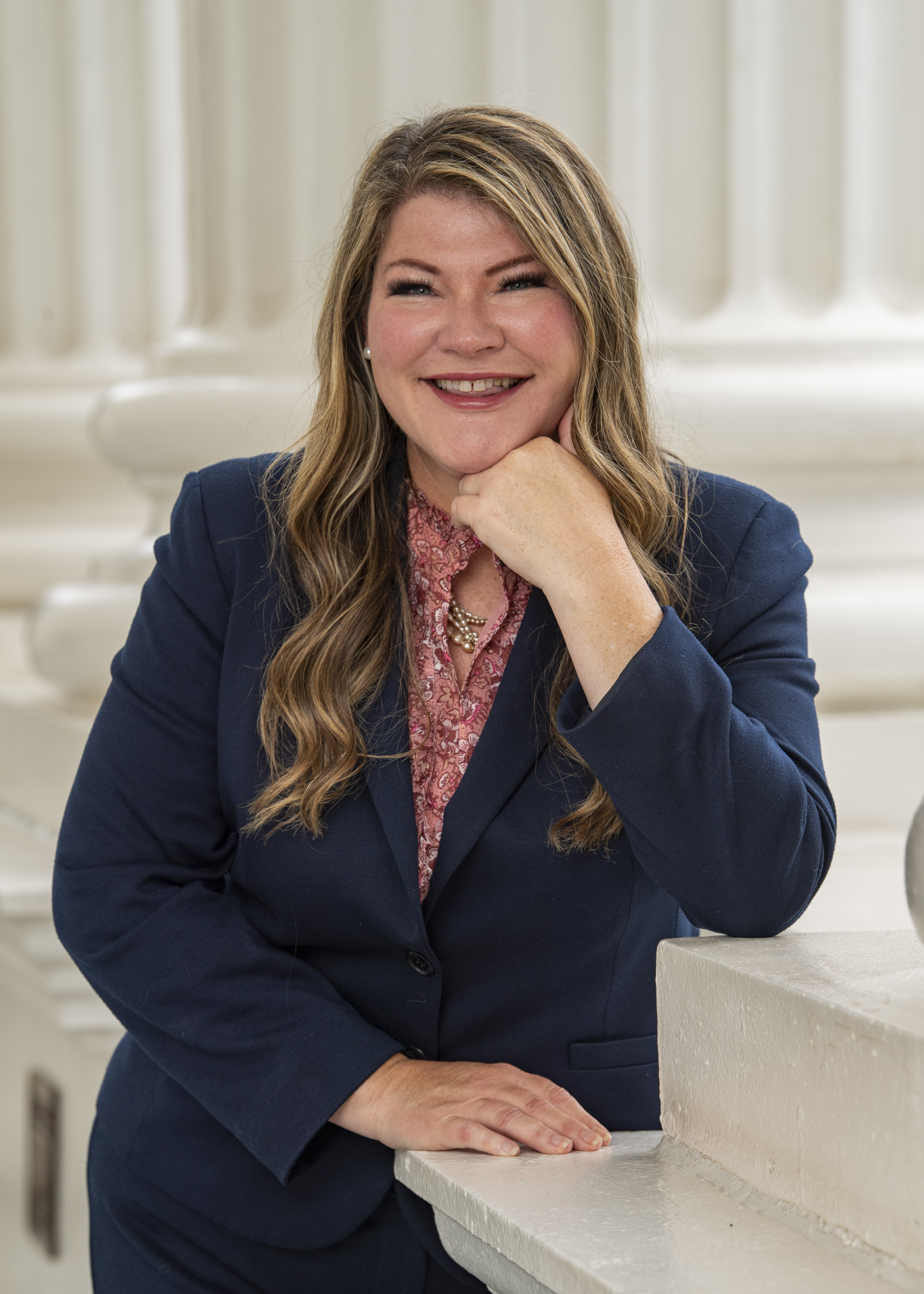
Asm. Tasha Boerner
Sponsored bills
Existing law, the Protected Bikeways Act of 2014, provides that the state's bicycle programs have not been fully developed or funded. Existing law establishes the Department of the California Highway Patrol within the Transportation Agency. This bill would require the department to develop, on or before September 1, 2023, statewide safety and training programs based on evidence-based practices for users of electric bicycles, as defined, including, but not limited to, general electric bicycle riding safety, emergency maneuver skills, rules of the road, and laws pertaining to electric bicycles. The bill would require the safety and training programs to be developed in collaboration with relevant stakeholders and to be posted on the internet website of the department.
This measure would declare August 2022 as Valley Fever Awareness Month.
This measure would declare the month of September 2022 as California Emergency Preparedness Month.
Existing law requires the State Board of Education to adopt basic instructional materials for use in kindergarten and grades 1 to 8, inclusive, for governing boards of school districts in specified subjects and any other subject, discipline, or interdisciplinary area for which the state board determines the adoption of instructional materials to be necessary or desirable; and requires the governing board of each school district maintaining one or more high schools to adopt instructional materials for use in the high schools under its control, consistent with specified conditions. Existing law authorizes a local educational agency to use instructional materials that are aligned with the academic content standards, including instructional materials that have not been adopted by the state board. Existing law requires the governing board of a school district, when adopting instructional materials for use in schools, to include only instructional materials that meet certain content requirements, including a requirement that, in the determination of the governing board, the instructional materials accurately portray the cultural and racial diversity of our society. This bill would require the Superintendent of Public Instruction, subject to an appropriation of one-time funds for this purpose in the Budget Act or another statute, to allocate funding for the purchase of standards-aligned instructional materials in visual and performing arts and world languages in kindergarten and grades 1 to 12, inclusive, and for professional development in those subjects, as provided. The bill would state the intent of the Legislature that these materials and professional learning opportunities reflect the cultural diversity of the state and of the world, consistent with state law, and that the professional learning opportunities be of high quality. The bill would include related legislative findings and declarations.
Existing law, the Veterans Housing and Homeless Prevention Bond Act of 2014 (the 2014 bond act) , authorizes the issuance of bonds in the amount of $600,000,000, as specified, for expenditure by the California Housing Finance Agency, the Department of Housing and Community Development, and the Department of Veterans Affairs to provide housing to veterans and their families pursuant to the Veterans Housing and Homeless Prevention Act of 2014 (VHHPA) . This bill would enact the Veterans Housing and Homeless Prevention Bond Act of 2022 to authorize the issuance of bonds in an amount not to exceed $600,000,000 to provide additional funding for the VHHPA. The bill would provide for the handling and disposition of the funds in the same manner as the 2014 bond act. The bill would provide for the submission of the bond act to the voters at the March 5, 2024, statewide primary election.
Existing law, the California Coastal Act of 1976, among other things, requires anyone wishing to perform or undertake any development in the coastal zone, except as specified, in addition to obtaining any other permit required by law from any local government or from any state, regional, or local agency, to obtain a coastal development permit from the California Coastal Commission, as provided. This bill would authorize the commission to authorize blue carbon demonstration projects, as defined, in order to demonstrate and quantify the carbon sequestration potential of these projects to help inform the state's natural and working lands and climate resilience strategies. The bill would, among other things, authorize the commission to require an applicant with a project that impacts coastal wetland, subtidal, intertidal, or marine habitats or ecosystems to build or contribute to a blue carbon demonstration project. The act requires that new development in the coastal zone comply with specified requirements, including, among other things, requirements intended to minimize energy consumption and vehicle miles traveled, and, where appropriate, protect special communities and neighborhoods that, because of their unique characteristics, are popular visitor destination points for recreational uses. This bill would additionally require that new development minimize greenhouse gas emissions.

Under existing law, the State Department of Health Care Services is responsible for the administration and oversight of various health care programs, including those related to cancer screening and research. This bill, the California Childhood Cancer Research Fund Act, would request the Regents of the University of California to establish and administer the Childhood Cancer Research Grant Program to provide funding to various entities to support research and treatment for children impacted by cancer and the long-term effects of cancer treatment. The bill would create the Childhood Cancer Research Council composed of 7 members, including specialists in pediatric oncology, appointed by the Governor, Senate Committee on Rules, or Speaker of the Assembly, and would require the council to develop the strategic objectives and priorities of the program and make grant recommendations to the University of California in accordance with the program's goals. The bill would require the council to submit an annual report to the Legislature describing the grants made, grants in progress, program accomplishments, and future program directions. The bill would create the Andrew Hirschman Childhood Cancer Research Fund for the implementation and administration of the grant program, upon appropriation by the Legislature. The bill would make these provisions operative until January 1, 2028.
The California Constitution provides that the University of California constitutes a public trust, and requires the university to be administered by the Regents of the University of California, a corporation in the form of a board, with full powers of organization and government, subject to legislative control only for specified purposes. The California Constitution requires the board to consist of 7 ex officio members and 18 appointive members appointed by the Governor and approved by the Senate. The California Constitution authorizes the members of the board to appoint either a member of the faculty at a campus of the university or of another institution of higher education, or a person enrolled as a student at a campus of the university, or both, as members of the board serving for no less than one year with all rights of participation. This measure would require, rather than authorize, the members of the board to appoint 2 students enrolled at a campus of the university for each regular academic term during their service as members of the board, as provided.