This measure would designate the month of June 2023 as Healthy Homes Awareness Month.
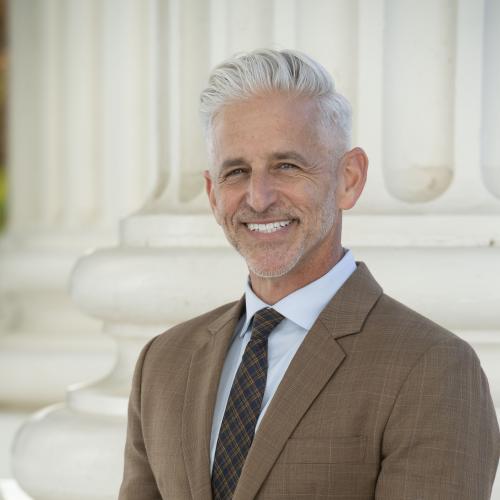
Asm. Josh Lowenthal
Sponsored bills
This measure would recognize July 28 as World Hepatitis Day and would urge all California institutions, nonprofit organizations, health care organizations, businesses, community leaders, and residents to ensure screenings for hepatitis B and C, vaccinations for hepatitis B, and treatment become the standard of care.
This measure would designate October 23, 2023, as Aromatic L-Amino Acid Decarboxylase (AADC) Deficiency Awareness Day in the state.
This measure would recognize August 15, 2023, as India's Independence Day and urge all Californians to join in celebrating India's independence.
This measure would proclaim August 2023 as Breastfeeding Awareness Month of 2023 in California. The measure would recognize the unique benefits that breastfeeding provides, as specified, and would affirm that Californians should work to ensure that barriers to initiation and continuation of breastfeeding are removed. The measure would encourage Californians to work together to explore ways to, among other things, improve women's access to breastfeeding support services in medical, social, and employment settings.
This measure would recognize the 50th anniversary of hip hop on August 11, 2023, as a time of celebration, pride, and nostalgia for the citizens of California.
The California Consumer Privacy Act of 2018 prohibits a business from selling the personal information of a consumer if the business has actual knowledge that the consumer is less than 16 years of age, unless the consumer, in the case of a consumer at least 13 years of age and less than 16 years of age, or the consumer's parent or guardian, in the case of a consumer who is less than 13 years of age, has affirmatively authorized the sale of the consumer's personal information. The California Age-Appropriate Design Code Act requires, beginning July 1, 2024, a business that provides an online service, product, or feature likely to be accessed by children to comply with specified requirements, including a requirement to configure all default privacy settings offered by the online service, product, or feature to the settings that offer a high level of privacy, as prescribed, and requires a business, before any new online services, products, or features are offered to the public, to complete a Data Protection Impact Assessment for any online service, product, or feature likely to be accessed by children and maintain documentation of this assessment as long as the online service, product, or feature is likely to be accessed by children. This bill would prohibit a social media platform, as defined, from using a design, algorithm, or feature that the platform knows, or by the exercise of reasonable care should have known, causes child users, as defined, to do any of certain things, including experience addiction to the social media platform. This bill would provide that a social media platform is not in violation of the bill if the social media platform instituted and maintained a program of at least quarterly audits, as defined, of its designs, algorithms, and features that have the potential to cause violations of the provision described above, and the social media platform corrected, within 60 days of the completion of the audit, any design, algorithm, or feature discovered by the audit to present more than a de minimis risk of violating that provision. This bill would subject a social media platform that knowingly and willfully violates these provisions to a civil penalty not to exceed $250,000 per violation, an injunction, and an award of litigation costs and attorney's fees in an action brought only by certain public attorneys, including the Attorney General.

Existing law generally establishes procedures and requirements for state agencies to enter into contracts for goods and services, including requirements imposed under the State Contract Act for bidding and award of certain public works contracts. This bill would enact The California State Grants and Contracts Modernization Act which would, commencing July 1, 2025, require a state agency that administers a grant or enters into a contract with any eligible entity to provide for and accept electronic signatures and electronic transmission, and provide for and offer the option of payment by electronic funds or automatic clearinghouse transfer. The bill would also, among other things, prohibit a state agency that administers a grant or contract with any eligible entity on and after July 1, 2025, from requiring an original or wet signature on a contract or grant document, unless otherwise required by state or federal law. Existing law, the Grant Information Act of 2018, requires the California State Library to create a funding opportunities internet website that provides a centralized location for grant seekers to find state grant opportunities. Existing law requires each state agency to register every grant the state agency administers with the California State Library prior to commencing a solicitation or award process for distribution of the grant. Existing law requires each state agency to provide for the acceptance of electronic applications for any grant administered by the agency, as appropriate. This bill would require the California State Library, by December 31, 2024, to survey all agencies administering grants or contracts with eligible entities and report to the Legislature on the extent and nature of electronic management of documents, as specified.