Maddy summaryACR 127 designates February 2-6, 2026, as National School Counseling Week. This is a symbolic resolution recognizing the role of school counselors, with no new policies or funding changes. It directly affects no specific group but aims to raise awareness for school counseling services during that week. The resolution was unanimously adopted by the Assembly on February 5, 2026.
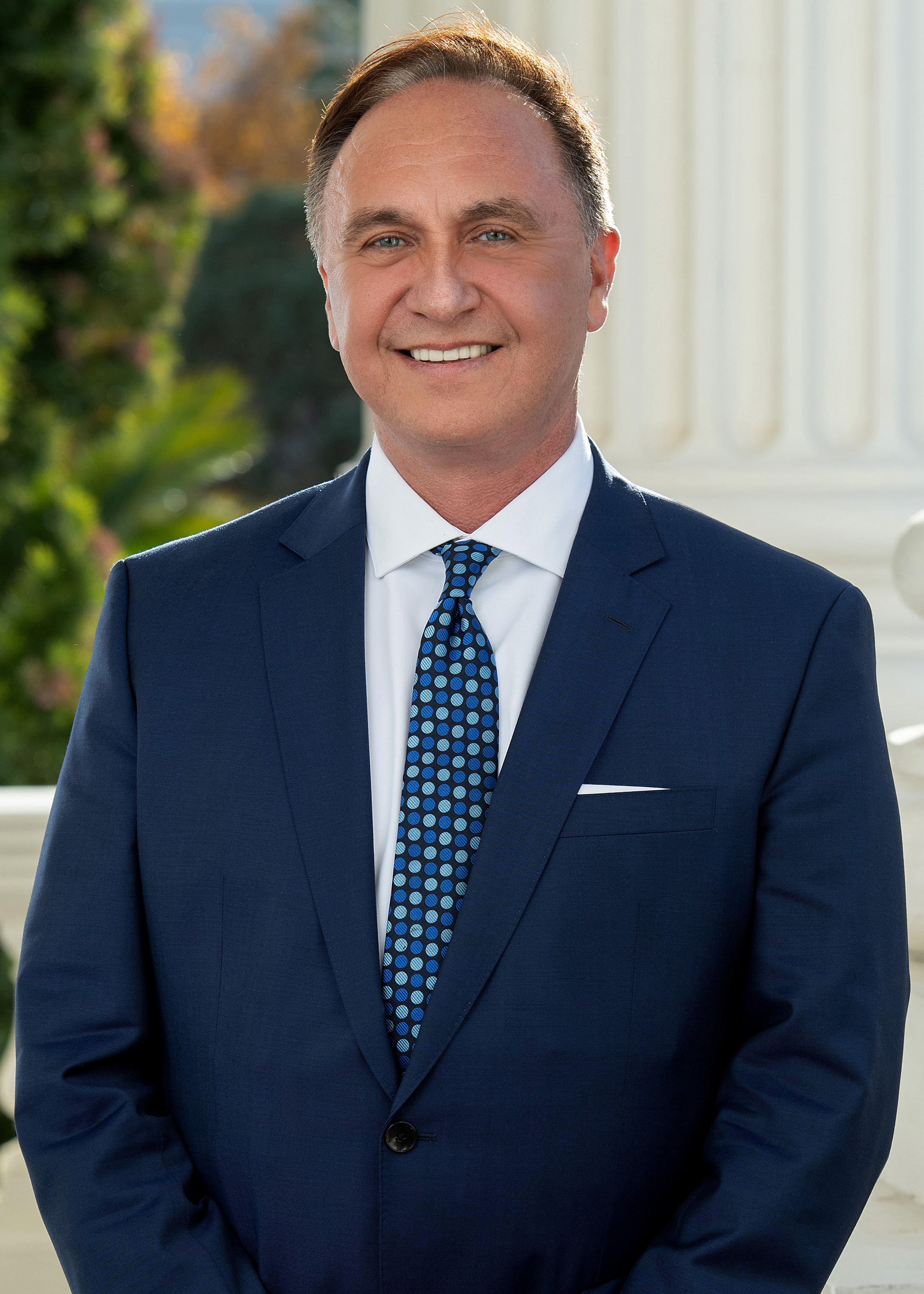
Asm. Rick Zbur
Sponsored bills
Maddy summaryThis bill is a House Resolution that formally declares March 2026 as Women's History Month in California. It aims to honor the historical and ongoing contributions of women across various fields such as business, science, and civil rights. The resolution does not create new laws or change existing policies but serves to recognize and celebrate the achievements of women throughout history.
Maddy summaryThis bill designates March 2026 as Colorectal Cancer Awareness Month in California to highlight the disease's impact and promote screening efforts. It directly affects all Californians by encouraging early detection through regular check-ups and new testing options, particularly for younger adults and underserved communities facing higher risks. The resolution aims to increase public knowledge about prevention and treatment advancements without mandating specific actions or funding changes.
The California Global Warming Solutions Act of 2006 designates the State Air Resources Board as the state agency responsible for monitoring and regulating sources of emissions of greenhouse gases that cause global warming in order to reduce emissions of greenhouse gases. The act requires all state agencies to consider and implement strategies to reduce their greenhouse gas emissions. This bill would additionally require state agencies to prioritize strategies to reduce methane emissions, including emissions from imported petroleum and natural gas, where feasible and cost effective. The bill would require the state board to encourage natural gas procurement on behalf of the state to shift to certified natural gas producing low methane emissions. The bill would also authorize the state board, the Public Utilities Commission, and other relevant agencies to apply approved protocols that measure, monitor, report, and verify methane emissions to existing programs to reduce methane emissions, including emissions from imported petroleum and natural gas procured by utilities and other large gas users, as provided. The bill would also authorize the state board, the Public Utilities Commission, and other relevant agencies to use all relevant sources and standards, including, but not limited to, emissions data, models, or protocols from existing or new regulations.
Existing law requires the State Energy Resources Conservation and Development Commission (Energy Commission) to adopt, on a biennial basis, an integrated energy policy report that contains an overview of major energy trends and issues facing the state, including supply, demand, pricing, reliability, efficiency, and impacts on public health and safety, the economy, resources, and the environment. Existing law requires that the report present policy recommendations based on an in-depth and integrated analysis of the most current and pressing energy issues facing the state. This bill would require the Energy Commission, on or before March 1, 2027, to designate a person within the Energy Commission or identify and retain an external candidate to serve as the Senior Counselor on Industrial Policy and Clean Energy Development, and would require the senior counselor to, among other things, convene working groups that focus on certain issues, as provided. The bill would require the Energy Commission, the Governor's Office of Business and Economic Development, the Labor and Workforce Development Agency, the Public Utilities Commission, the Department of General Services, and the office of the Treasurer, on or before March 1, 2027, to enter into a memorandum of understanding on equitable clean energy supply chains and industrial policy in California with specified goals and provisions, as provided. The bill would require the senior counselor to track and coordinate the work under the memorandum of understanding and to prepare an annual report summarizing the key findings and recommendations resulting from that work. The bill would require that the report be presented at a public meeting of the Energy Commission and be published on the Energy Commission's internet website. The bill would establish in the State Treasury the Equitable Clean Energy Supply Chain and Industrial Policy Fund and would, upon appropriation by the Legislature, authorize the moneys in the fund to be expended for purposes of the bill.

Existing law establishes various advisory boards and commissions in state government with specified duties and responsibilities. This bill would create the California Latino Commission to address the inequities faced by the Latino community in housing, education, economic mobility, labor, and health care. The commission would consist of 9 members who have demonstrated expertise in specified areas, including housing policy and advocacy and economic development. The bill would task the commission with, among other things, collecting and analyzing data, developing recommendations, and monitoring the implementation of state programs and policies affecting the Latino community, as specified. The bill would require the commission to work with other state agencies and to submit an annual report to the Governor and the Legislature. The bill would establish that the commission and its activities would be supported by appropriations by the Legislature from the General Fund and grants from federal and private sources. The bill would repeal these provisions on January 1, 2036.
Existing law generally regulates social media platforms, including by requiring a social media company to post terms of service for each social media platform owned or operated by the company in a manner reasonably designed to inform all users of the social media platform of the existence and contents of the terms of service, as prescribed. Existing law generally prohibits a person from using violence or intimidation to interfere with another person's enjoyment of certain rights or because of certain attributes of that person, including the person's political affiliation, race, or sexual orientation, and punishes violations of that law with certain civil penalties or as misdemeanors, as prescribed. This bill would make a social media platform, as defined, that violates the above-referenced provisions of law relating to personal rights through its algorithms that relay content to users or aids, abets, acts in concert, or conspires in violation of those laws, or is a joint tortfeasor in an action alleging a violation of those laws, liable for specified civil penalties. The bill would declare its provisions to be severable and would declare attempted waiver of its provisions to be void and unenforceable. This bill would become operative on January 1, 2027.
Maddy summaryACR 116 is a ceremonial resolution honoring Reverend Dr. Martin Luther King, Jr. and commemorating Martin Luther King Jr. Day. It does not create new laws or affect specific groups, as it is a symbolic gesture of recognition. The measure was adopted by the Assembly on January 16, 2026, and is now pending in the Senate Committee on Rules and Legislative Services. This type of resolution typically serves to acknowledge historical figures or events without implementing policy changes.
Maddy summaryACR 118 designates January 13, 2026, as Korean American Day in recognition of Korean American contributions. This ceremonial resolution does not create new laws or affect policy; it simply formally proclaims a specific date for observance. The bill directly affects public acknowledgment of Korean American heritage within the state. It has advanced through committee approval and passed the Assembly with unanimous support.
This measure would proclaim the month of January 2026 as National Mentoring Month, and would proudly recognize Big Brothers Big Sisters of Central California for its unwavering commitment to the children and families of our region and its enduring impact on future generations.