This measure would recognize July 28 as World Hepatitis Day and would urge all California institutions, nonprofit organizations, health care organizations, businesses, community leaders, and residents to ensure screenings for hepatitis B and C, vaccinations for hepatitis B, and treatment become the standard of care.
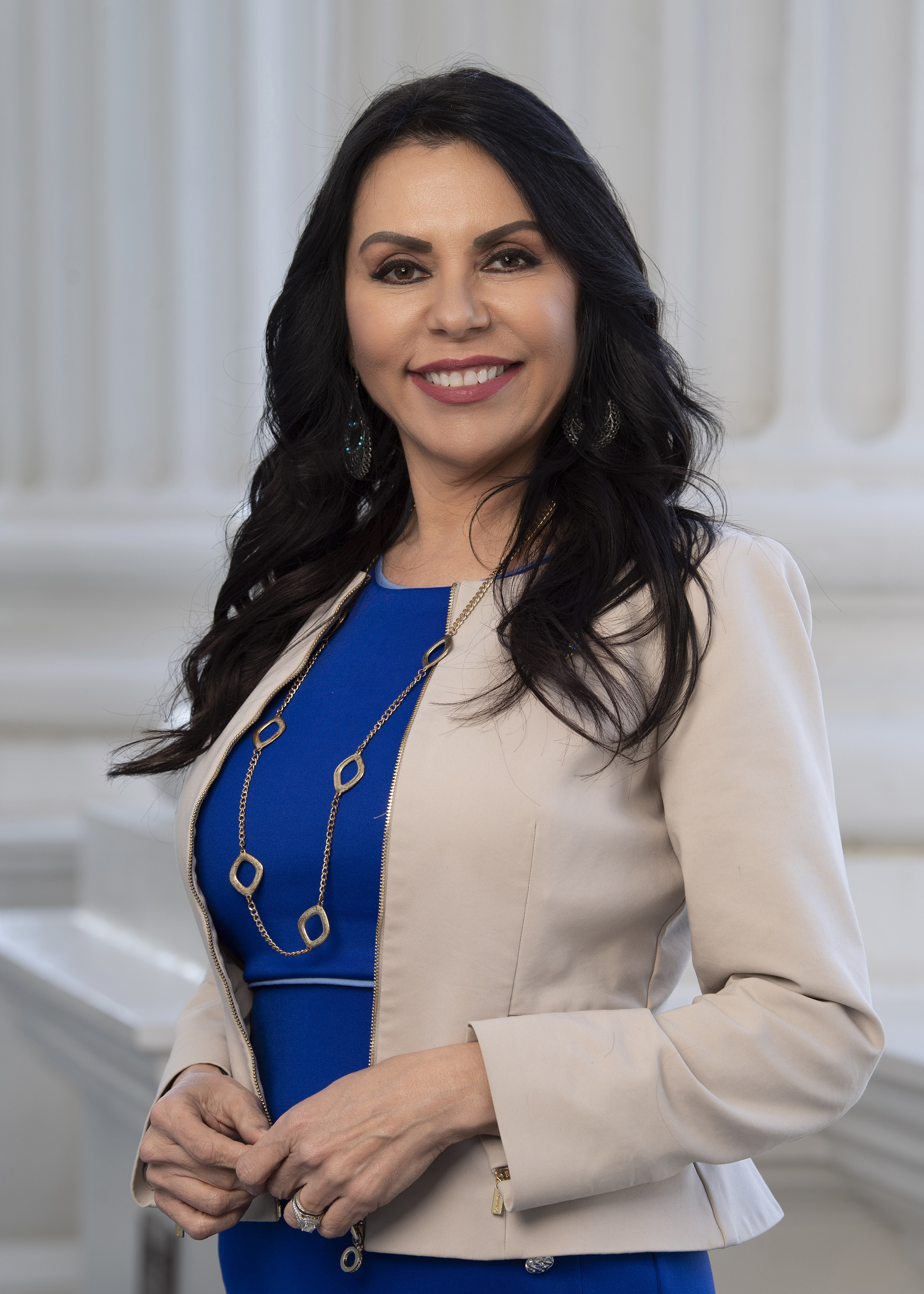
Asm. Blanca Rubio
Sponsored bills
This measure would designate October 23, 2023, as Aromatic L-Amino Acid Decarboxylase (AADC) Deficiency Awareness Day in the state.
This measure would recognize August 15, 2023, as India's Independence Day and urge all Californians to join in celebrating India's independence.
This measure would proclaim August 2023 as Breastfeeding Awareness Month of 2023 in California. The measure would recognize the unique benefits that breastfeeding provides, as specified, and would affirm that Californians should work to ensure that barriers to initiation and continuation of breastfeeding are removed. The measure would encourage Californians to work together to explore ways to, among other things, improve women's access to breastfeeding support services in medical, social, and employment settings.
This measure would recognize the 50th anniversary of hip hop on August 11, 2023, as a time of celebration, pride, and nostalgia for the citizens of California.
Existing law requires instruction to be given in the elementary and secondary schools by appropriately trained instructors on drug education and the effects of the use of tobacco, alcohol, narcotics, dangerous drugs, as defined, and other dangerous substances. Existing law authorizes a public or private elementary or secondary school to determine whether or not to make emergency naloxone hydrochloride or another opioid antagonist and trained personnel available at its school, and to designate one or more volunteers to receive related training to address an opioid overdose, as specified. This bill would require those school districts, county offices of education, and charter schools that voluntarily determine to make naloxone hydrochloride or another opioid antagonist available on campus to ensure that the naloxone hydrochloride or another opioid antagonist is placed in an appropriate location that is widely known and easily accessible, both during school hours and after school hours. The bill would require the naloxone hydrochloride or another opioid antagonist to be located on campus grounds in at least one of several specified locations. This bill would require the State Department of Public Health to develop an opioid overdose training program and program toolkit, as defined, to be made available to public high schools for public high school pupils to be trained on how to identify and respond to an opioid overdose, including by administering a federally approved opioid overdose reversal medication, as provided. The bill would require the department, by April 1, 2025, to notify public high schools of the availability of the program toolkit. The bill would require the department to provide the program toolkit upon request to those public high schools that opt to host the program on their campuses and to consider making its representatives available to provide the training onsite at public schools upon request. The bill would require the department to collaborate with local, state, and national organizations, as provided, to provide pupils with integrated, comprehensive, accurate, and unbiased educational materials on opioid and drug overdose prevention, opioid and drug safety, and stigma reduction. The bill would require the department to collect, on an annual basis, data on the number of pupils participating in the program and to share this information with the Legislature and the Senate and Assembly Budget Subcommittees on Education, Health, and Human Services, as provided.

Existing law requires the Department of Community Services and Development to, among other things, plan and evaluate strategies for overcoming poverty in the state, mobilize resources in support of antipoverty and community services programs, and administer public and private funds designed to support antipoverty programs that are not currently administered by other departments. Existing law establishes the Cradle-to-Career Data System for the purpose of connecting individuals and organizations to trusted information and resources, as a source for actionable data and research on education, economic, and health outcomes for individuals, families, and communities, and to provide for expanded access to tools and services that support the education-to-employment pipeline, as specified. This bill, the It Takes a Village Act of 2023, subject upon an appropriation in the annual Budget Act or another statute for these purposes, would establish the California Coordinated Neighborhood and Community Services Grant Program to be administered by the State Department of Social Services or another department within the California Health and Human Services Agency. The bill would require the department to grant awards on a competitive basis for the 2025–26 through 2027–28 fiscal years to eligible entities that are Promise Neighborhoods, other community-based networks, or multineighborhood regional cradle-to-career networks, as those terms are defined, to either implement a comprehensive, integrated continuum of cradle-to-career solutions at the neighborhood level or support the civic infrastructure and backbone of cradle-to-career networks that support their network partners to accomplish systems change. The bill would define "cradle-to-career" to mean a system of integrated services that begins before birth and leads to appropriate postsecondary success, including academic, occupational, and independent living, that benefits the individual and community as a whole. The bill would require the department, in consultation with the State Department of Education, to develop an application process and would require the department to establish performance standards to measure progress on indicators and results relevant to the evaluation of the grant program. The bill would require grant recipients to contribute matching funds and prepare and submit an annual report to the department, as specified.