This measure would recognize the month of June 2017 as Alzheimer's and Brain Awareness Month, would recognize Wednesday, June 21, 2017, as The Longest Day in California, and would urge all Californians to wear purple on this day to help spread global awareness of the Alzheimer's Association's vision of a world without Alzheimer's disease.
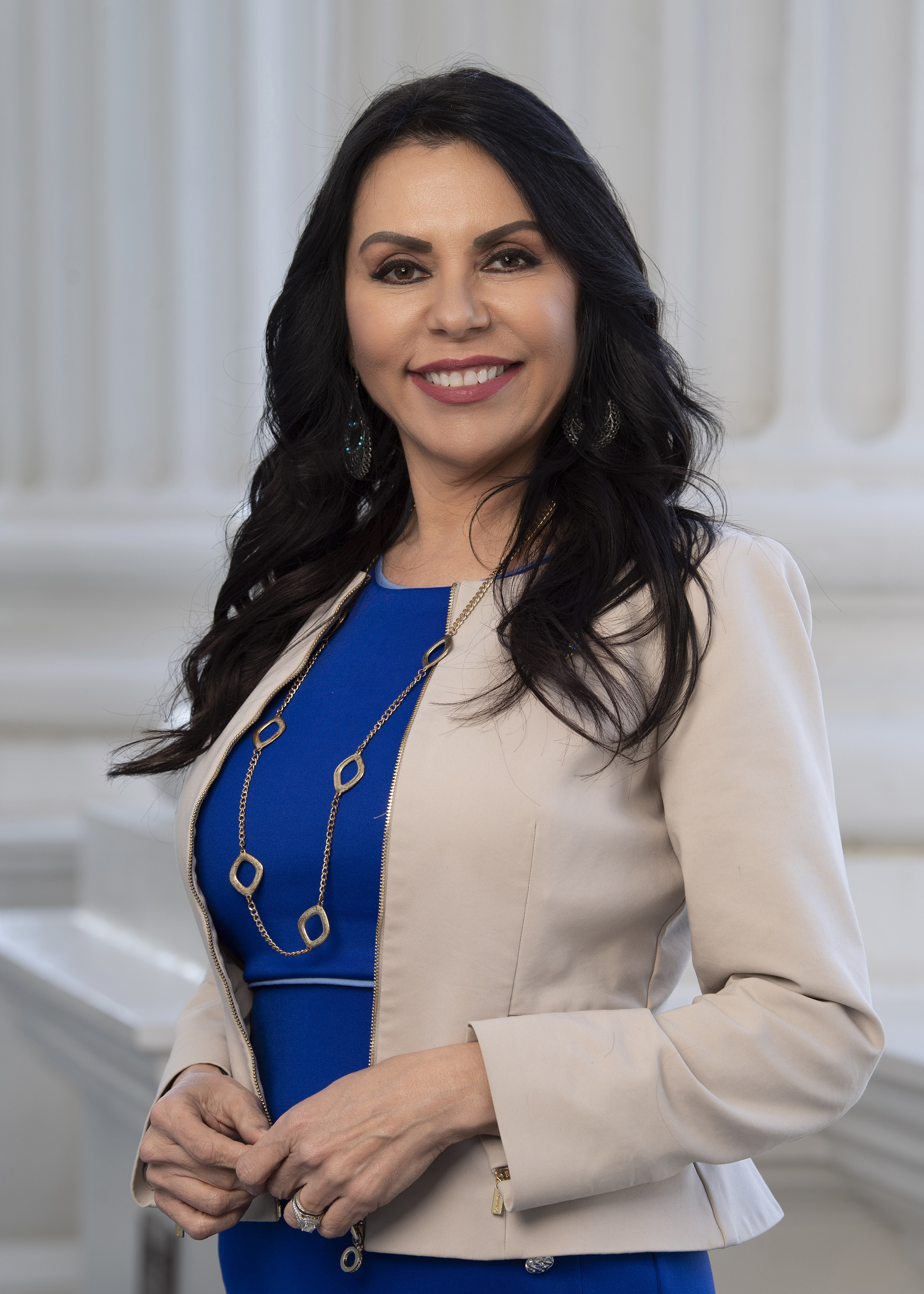
Asm. Blanca Rubio
Sponsored bills
This measure would declare that the Legislature strongly supports, and would respectfully urge the President of the United States and Members of the United States Congress to continue to protect, net neutrality, open Internet access, the federal Lifeline program's discounted telephone service for qualifying low-income consumers, and the E-rate program's discounted telecommunication and Internet access services for schools and libraries. The measure would declare that the Legislature views these as high priorities for California and the country, and opposes any federal efforts to rescind or block them.
This measure would request the Governor to designate specified departments to accelerate the planning, creation, and completion timelines for a California Nonmotorized Trails Master Plan for urban and rural regions to expand specified opportunities for Californians. The measure would request the Governor to request the President of the United States, Members of Congress, and the Federal Highway Administration to dedicate increased funding to California to accelerate and support the planning and development of the plan and to accelerate the completion of existing nonmotorized recreational trails.
This measure would proclaim June 21, 2017, as Asking Saves Kids Day.
This measure would recognize the month of August 2017 as Opportunity Youth Reengagement Month, and state the intent of the Legislature to encourage the expansion of schools authorized to specifically reengage "opportunity youth" 16 to 24 years of age by developing recommendations for a statewide student reengagement strategy and identifying the cost of the strategy compared to the cost of inaction; authorizing systems for accountability to students, parents, and families through transparency, active engagement, and outreach strategies; and highlighting, promoting, and uplifting evidence-based practices for successful student reengagement efforts that maintain multiple measures for evaluation of student success.
This measure would urge the Congress of the United States to support S. 349, the Access to Counsel Act, which would ensure that those persons held or detained while attempting to enter the United States, whether at a border crossing or a port of entry, would be guaranteed access to legal counsel.
This measure would urge the President and the Congress of the United States to continue to place an emphasis on increasing funding to NASA's budget and encouraging the expansive use of public-private partnerships to propel the industry forward into the next generation of advancement.
This measure would recognize adverse childhood experiences (ACEs) , also known as post-traumatic "street" disorder in communities of color, as having lasting negative outcomes to both physical and mental health with growing implications for our state.
Existing law requires the state to achieve a 20% reduction in urban per capita water use in California by December 31, 2020. Existing law requires each urban retail water supplier to develop urban water use targets and an interim urban water use target, as specified, and requires each agricultural water supplier to implement efficient water management practices. This bill, with a specified exception, would require the Department of Water Resources to convene a stakeholder workgroup with prescribed representatives invited to participate, including, among others, representatives of the department and the State Water Resources Control Board, no later than February 1, 2019. The bill would require the stakeholder workgroup to develop, evaluate, and recommend proposals for establishing new water use targets for urban water suppliers and to examine and report to the Governor and the Legislature by December 31, 2019, as specified. The bill would require all expenses for the stakeholder working group to be the responsibility of the nonstate agency stakeholders. The bill would repeal its provisions on January 1, 2023.