

Existing law generally provides for the placement of foster youth in various placement settings and governs the provision of child welfare services, which is defined to mean public social services that are directed toward the accomplishment of specified purposes, including protecting and promoting the welfare of all children, preventing the unnecessary separation of children from their families, and restoring to their families children who have been removed. Existing law requires the State Department of Social Services to ensure that, among other things, emergency response services are coordinated with the implementation of specified program models. Existing law also requires each county to provide the department with a disaster response plan describing how county programs that receive federal assistance for child and family services would respond to a disaster. Existing law also requires the department to review its disaster plan, revise the plan to clarify the role and responsibilities of the state in the event of a disaster, and consult with counties to identify opportunities for collaboration in the event of a disaster. This bill would establish the Child Welfare Disaster Response Program, to be administered by the department. The bill would establish the Child Welfare Disaster Response Account to fund the program. The bill would require, upon appropriation by the Legislature, $2,000,000 to be allocated from the General Fund to the Child Welfare Disaster Response Account for purposes of the program and to support the needs of foster children and youth and their caregivers during a disaster. The bill would require the department to determine eligibility criteria for applicants and would authorize county child welfare departments to apply for funds. The bill would require funds awarded pursuant those provisions to be available to meet the housing, clothing, transportation, and other tangible needs of foster children and youth and their caregivers that occur within 180 days of a local emergency proclamation by a local government or a state of emergency proclamation by the Governor.
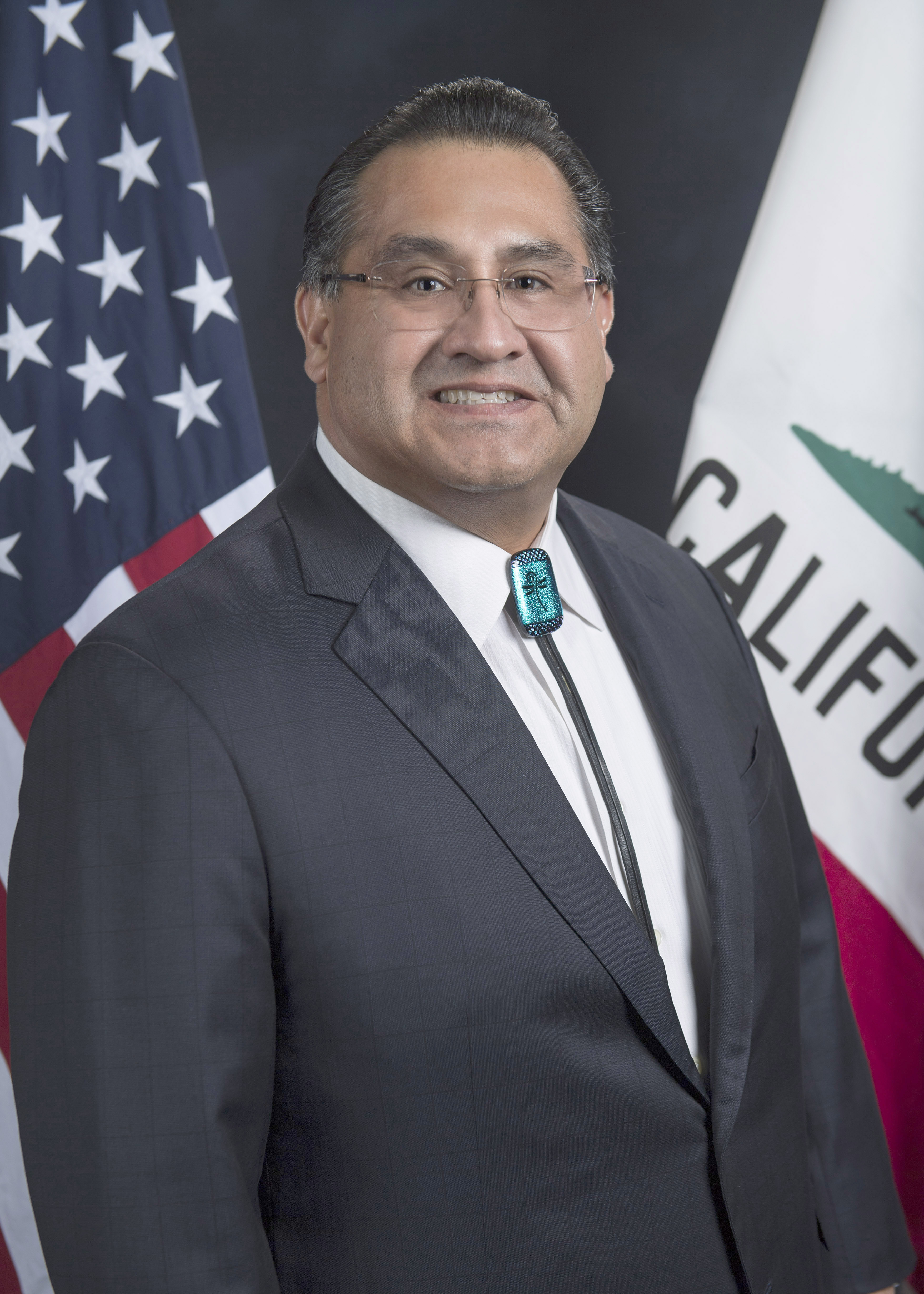
Asm. James Ramos
Sponsored bills
Existing law requires instruction to be given in the elementary and secondary schools by appropriately trained instructors on drug education and the effects of the use of tobacco, alcohol, narcotics, dangerous drugs, as defined, and other dangerous substances. Existing law authorizes a public or private elementary or secondary school to determine whether or not to make emergency naloxone hydrochloride or another opioid antagonist and trained personnel available at its school, and to designate one or more volunteers to receive related training to address an opioid overdose, as specified. This bill would require those school districts, county offices of education, and charter schools that voluntarily determine to make naloxone hydrochloride or another opioid antagonist available on campus to ensure that the naloxone hydrochloride or another opioid antagonist is placed in an appropriate location that is widely known and easily accessible, both during school hours and after school hours. The bill would require the naloxone hydrochloride or another opioid antagonist to be located on campus grounds in at least one of several specified locations. This bill would require the State Department of Public Health to develop an opioid overdose training program and program toolkit, as defined, to be made available to public high schools for public high school pupils to be trained on how to identify and respond to an opioid overdose, including by administering a federally approved opioid overdose reversal medication, as provided. The bill would require the department, by April 1, 2025, to notify public high schools of the availability of the program toolkit. The bill would require the department to provide the program toolkit upon request to those public high schools that opt to host the program on their campuses and to consider making its representatives available to provide the training onsite at public schools upon request. The bill would require the department to collaborate with local, state, and national organizations, as provided, to provide pupils with integrated, comprehensive, accurate, and unbiased educational materials on opioid and drug overdose prevention, opioid and drug safety, and stigma reduction. The bill would require the department to collect, on an annual basis, data on the number of pupils participating in the program and to share this information with the Legislature and the Senate and Assembly Budget Subcommittees on Education, Health, and Human Services, as provided.
Existing law vests the Department of Transportation with full possession and control of all state highways and all property and rights in property acquired for state highway purposes. Existing law authorizes the department to make and enter into any contracts in the manner provided by law that are required for performance of its duties. Existing law requires that the department's contracts with federally recognized Indian tribes be limited to activities related to on-reservation or off-reservation cultural resource management and environmental studies and off-reservation traffic impact mitigation projects on or connecting to the state highway system, as specified. Existing law requires that off-reservation traffic impact mitigation contracts with federally recognized Indian tribes meet certain requirements, including that the contracts provide for limited waivers of sovereign immunity by those Indian tribes for the state for the purpose of enforcing obligations arising from the contracted activities. This bill would delete that limitation on the activities for which the department is authorized to contract with federally recognized Indian tribes, and would expressly authorize the department to enter into contracts with those tribes and entities owned by those tribes. The bill would subject off-reservation traffic impact mitigation contracts between the department and entities owned by those tribes to the same requirements as are applicable to department contracts with those tribes, and would delete the requirement that the contracts provide for limited waivers of sovereign immunity, as specified.
Existing law authorizes school districts, county offices of education, and charter schools to provide emergency naloxone hydrochloride or another opioid antagonist to school nurses or voluntary trained personnel, and authorizes those nurses and voluntary trained personnel to use naloxone hydrochloride or another opioid antagonist to provide emergency medical aid to persons suffering, or reasonably believed to be suffering, from an opioid overdose, as provided. This bill would require each individual public school operated by a school district, county office of education, or charter school that has elected to make a school nurse or trained personnel available at the school pursuant to those provisions to maintain at least two units of naloxone hydrochloride or another opioid antagonist for purposes of those authorizations.
This measure would recognize July 17, 2023, to July 23, 2023, as Outdoor Worker Appreciation Week.
This measure would celebrate the history and culture of lowriding and cruising, encourage local officials and law enforcement to work with local car clubs to conduct safe cruising events, and declare the first Sunday of summer to be observed as California Lowrider Day.
This measure would propose to incorporate recognition of Native Americans in the order of business of Assembly and Senate Floor Sessions to acknowledge Native Americans as the original custodians of California and commend California Indian nations for their outstanding historical and present contributions to this great state. The measure would also urge other public bodies in California to expand recognition for Native Americans during official government activities.
This measure would declare August 7, 2023, as Purple Heart Day in California.
This measure would recognize June 19, 2023, as Juneteenth and would urge the people of California to join in celebrating Juneteenth as a day to honor and reflect on the significant role that African Americans have played in the history of the United States and how they have enriched society through their steadfast commitment to promoting unity and equality.