

Passed Jun 2, 2022
1 co-sponsor
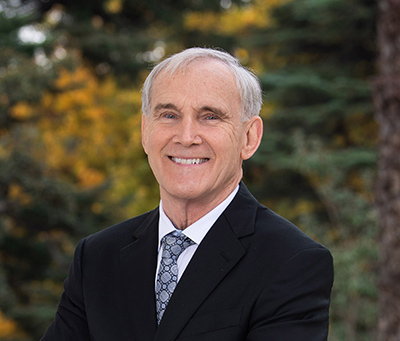
Asm. Steve Bennett
Total votes
13,616
all sessions
Attendance
96%
491 missed
Near the chamber average
With party
99%
of cast votes
Near the chamber average
Bipartisan score
0%
crosses aisle rarely
Near the chamber average
Sponsored
1,250
bills & resolutions
Near the chamber average
Committees
6
assignments
1,250 bills and resolutions
Sponsored bills
Total
1,250
Primary
102
Co-sponsor
1,148
This page
1,250
matching current filters
California Peace Officers' Memorial Day.
This measure would designate Monday, May 2, 2022, as California Peace Officers' Memorial Day, urge all Californians to use that day to honor California peace officers, and recognize California peace officers who were killed in defense of their communities, as specified.
Signed into law Jun 2, 2022
1 co-sponsor
Passed Jun 2, 2022
1 co-sponsor
Relative to Arab American Heritage Month.
This measure would proclaim April 2022 to be Arab American Heritage Month and would encourage every citizen to join in its special observance.
Signed into law Jun 2, 2022
1 co-sponsor
Relative to Donate Life/DMV Partnership Month.
This measure would proclaim the month of April 2022 as Donate Life/DMV Partnership Month in California and would encourage all Californians to register with the Donate Life California Organ and Tissue Donor Registry.
Signed into law Jun 2, 2022
1 co-sponsor
Clean Transportation Program: hydrogen-fueling stations.
Existing law establishes the Clean Transportation Program, administered by the State Energy Resources Conservation and Development Commission, to provide funding to certain entities to develop and deploy innovative technologies that transform California's fuel and vehicle types to help attain the state's climate change policies. Existing law requires the commission to give preferences to those projects that maximize the goals of the program based on specified criteria and to fund specified eligible projects, including, among others, alternative and renewable fuel projects to develop and improve alternative and renewable low-carbon fuels. Existing law creates the Alternative and Renewable Fuel and Vehicle Technology Fund, to be administered by the commission, and requires the moneys in the fund, upon appropriation by the Legislature, to be expended by the commission to implement the program. Existing law requires the commission, until January 1, 2024, to allocate $20,000,000 annually to fund a specified number of publicly available hydrogen-fueling stations identified by the State Air Resources Board, not to exceed 20% of the moneys appropriated by the Legislature from the Alternative and Renewable Fuel and Vehicle Technology Fund, until there are at least 100 publicly available hydrogen-fueling stations in operation in the state. Under existing law, these allocations are subject to all of the requirements applicable to allocations from the Clean Transportation Program. This bill would require the commission, if it awards funding to hydrogen-fueling station projects under the program, to provide preference to those projects that are located at a port and are publicly accessible, are colocated at a fueling station for medium- and heavy-duty trucks, or are located along a specified corridor or on the state's portion of the National Highway Freight Network.
In committee May 19, 2022
0 co-sponsors
CalFresh: foster youth.
Existing federal law provides for the federal Supplemental Nutrition Assistance Program (SNAP) , known in California as CalFresh, under which supplemental nutrition assistance benefits allocated to the state by the federal government are distributed to eligible individuals by each county. Existing law required the State Department of Social Services, effective July 1, 2010, and subject to federal law, to propose a Transitional Food Stamps for Foster Youth demonstration project under which independent foster care adolescents who are not eligible for CalWORKs or Supplemental Security Income program benefits are eligible for CalFresh without regard to income or resources. This bill would require the department to conduct a study to examine the effectiveness of CalFresh benefits for foster youth and would require the study to include, at a minimum, specified components, including, among others, a measurement of health outcomes for foster youth who are enrolled in CalFresh. Participation in the study by foster youth would be voluntary, and the bill would require the department to obtain consent from a foster youth before they may participate in the study. Under the bill, "health outcomes" would include, among other things, changes in the study participants' nutrition levels and changes in their knowledge, attitudes, and beliefs about good nutrition. The bill would require the department, on or before January 1, 2026, to submit a report to the Senate and Assembly Committees on Human Services that includes the results of the study. The bill would repeal these provisions on January 1, 2027.
In committee May 19, 2022
0 co-sponsors
Passed May 19, 2022
1 co-sponsor
A resolution to propose to the people of the State of California an amendment to the Constitution of the State, by adding Section 24 to Article XVI thereof, relating to homelessness.
The California Constitution authorizes the development, construction, or acquisition of developments composed of urban or rural dwellings, apartments, or other living accommodations for persons of low income financed in whole or in part by the federal government or a state public body, or to which the federal government or a state public body extends assistance, if a majority of the qualified electors of the city, town, or county in which the housing is proposed to be located approves the project by voting in favor thereof, as specified. This measure, the Housing Opportunities for Everyone (HOPE) Act, would create an account in the General Fund into which, beginning in the 2024–25 fiscal year, and each fiscal year thereafter until September 30, 2033, a sum would be transferred from the General Fund equal to or greater than 5% of the estimated amount of General Fund revenues for that fiscal year, as specified. The measure would require the moneys in the account to be appropriated by the Legislature to the Business, Consumer Services, and Housing Agency, and would authorize that agency to expend the moneys to fund prescribed matters related to homelessness and affordable housing, including housing and services to prevent and end homelessness. This measure would require the agency to develop a 10-year investment strategy, with input from stakeholders, that demonstrates how moneys in the account will be used to produce affordable housing and end homelessness through specific performance measures and benchmarks. On or before October 1 of each year, and until October 1, 2033, the measure would require the agency to annually report to the Legislature on its progress in meeting those performance measures and benchmarks.
In committee May 16, 2022
1 co-sponsor
Passed May 16, 2022
1 co-sponsor
Ask Maddy
·
AI policy assistant
Ask Maddy about Steve Bennett
Scope: california
Hi! I can help you understand Steve Bennett's legislative record. What would you like to know?
Try one of these
i
Maddy answers using official bill text and legislative records. Always verify before sharing.
Sources cited inline