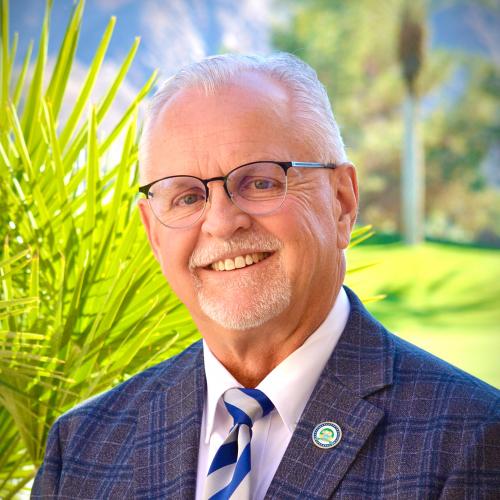
This measure would proclaim January 26, 2017, as India Republic Day, and would urge all Californians to join in celebrating India Republic Day.
Sponsored bills
This measure would recognize the month of February 2017 as Black History Month, urge all citizens to join in celebrating the accomplishments of African Americans during Black History Month, and encourage the people of California to recognize the many talents, achievements, and contributions that African Americans make to their communities.
This measure would recognize the Lunar New Year Celebration.
This resolution would recognize the month of January 2017 as Human Trafficking Prevention Month in California.
This measure would designate that January 16, 2017, be observed as the official memorial of the late Dr. Martin Luther King, Jr.'s birth and commemorate Martin Luther King, Jr. Day and the work of Dr. King and the Civil Rights Movement in changing public policy in California and in the United States of America.
Existing law regulates real property acquired and operated by the state as wildlife management areas, and authorizes the Department of Fish and Wildlife, when income is directly derived from that real property, as provided, to annually pay to the county in which the property is located an amount equal to the county taxes levied upon the property at the time it was transferred to the state. Existing law further authorizes the department to pay the assessments levied upon the property by any irrigation, drainage, or reclamation district. Existing law requires those payments to only be made from funds that are appropriated to the department for those purposes. This bill would require, instead of authorize, the department to make these payments subject to appropriation by the Legislature.
Existing law prohibits discrimination on the basis of various specified personal characteristics, including disability. The Construction-Related Accessibility Standards Compliance Act establishes standards for making new construction and existing facilities accessible to persons with disabilities and provides for construction-related accessibility claims for violations of those standards. Existing law requires that a copy of the demand letter and the complaint be sent to the California Commission on Disability Access. This bill would, in addition, require that information about the demand letter and the complaint be submitted to the commission in a standard format specified by the commission on the commission's Internet Web site. The bill would require the commission to post a new standard format on its Internet Web site at least 30 days before requiring information be in the new standard format.
Existing law provides for the county-administered In-Home Supportive Services (IHSS) program, under which qualified aged, blind, and disabled persons are provided with supportive services in order to permit them to remain in their own homes and avoid institutionalization. Existing law provides that a person who is the parent or a spouse of a recipient of those services shall be paid for providing specified services to the recipient through the program. This bill would, until January 1, 2019, establish the In-Home Supportive Services Family Caregiver Benefits Advisory Committee within the State Department of Social Services, as specified, for the purpose of describing the availability of, and barriers to accessing, employment-based supports and protections, as specified, and studying the impact of the lack of access to these supports and protections on individuals who provide supportive services to a spouse or as the parent of a recipient child. The bill would require the advisory committee to submit a peer-reviewed report to the Legislature, as specified, on or before January 1, 2018.
Existing law authorizes victims of domestic violence, sexual assault, or stalking, and reproductive health care services providers, employees, volunteers, and patients, to complete an application to be approved by the Secretary of State for the purposes of enabling state and local agencies to respond to requests for public records without disclosing a program participant's residence address contained in any public record and otherwise provides for confidentiality of identity for that person, subject to specified conditions. Existing law authorizes a program participant to request that state and local agencies use the address designated by the Secretary of State as his or her address, and requires state and local agencies, when creating, modifying, or maintaining a public record, to accept the address designated by the Secretary of State as a program participant's substitute address, except as specified. This bill would require the Secretary of State to provide each program participant a notice in clear and conspicuous font that contains specified information, including that the program participant is authorized by law to request to use his or her address designated by the Secretary of State on real property deeds, change of ownership forms, and deeds of trust when purchasing or selling a home. This bill, with certain exceptions, would prohibit a person, business, or association from publicly posting or displaying on the Internet the home address of a program participant who is a reproductive health care services provider, employee, volunteer, or patient and who has made a written demand to not disclose his or her address, and would prohibit a person, business, or association from knowingly posting the home address of a program participant, or of the program participant's residing spouse or child, on the Internet knowing that person is a program participant and intending to cause imminent great bodily harm that is likely to occur or threatening to cause imminent great bodily harm to that individual.