This measure would designate the month of June 2023 as Healthy Homes Awareness Month.
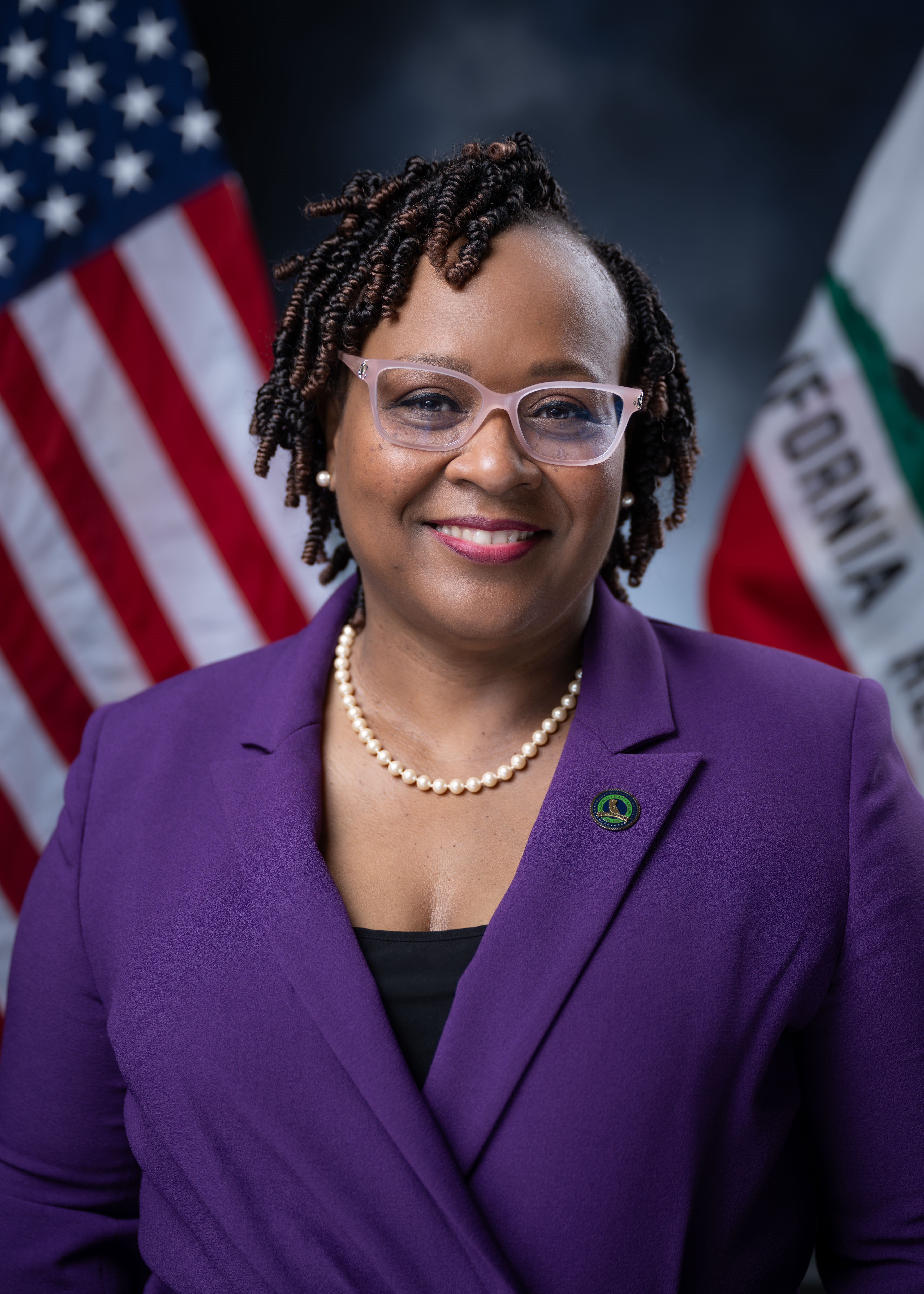
Asm. Lori Wilson
Sponsored bills
This measure would recognize July 28 as World Hepatitis Day and would urge all California institutions, nonprofit organizations, health care organizations, businesses, community leaders, and residents to ensure screenings for hepatitis B and C, vaccinations for hepatitis B, and treatment become the standard of care.
This measure would designate October 23, 2023, as Aromatic L-Amino Acid Decarboxylase (AADC) Deficiency Awareness Day in the state.
This measure would recognize August 15, 2023, as India's Independence Day and urge all Californians to join in celebrating India's independence.
This measure would proclaim August 2023 as Breastfeeding Awareness Month of 2023 in California. The measure would recognize the unique benefits that breastfeeding provides, as specified, and would affirm that Californians should work to ensure that barriers to initiation and continuation of breastfeeding are removed. The measure would encourage Californians to work together to explore ways to, among other things, improve women's access to breastfeeding support services in medical, social, and employment settings.
This measure would recognize the 50th anniversary of hip hop on August 11, 2023, as a time of celebration, pride, and nostalgia for the citizens of California.
The Lanterman Developmental Disabilities Services Act makes the State Department of Developmental Services responsible for providing various services and supports to individuals with developmental disabilities, and for ensuring the appropriateness and quality of those services and supports. Pursuant to that law, the department contracts with regional centers to provide services and supports to persons with developmental disabilities. Existing law prohibits regional centers from purchasing any service that would otherwise be available from Medi-Cal, Medicare, and private insurance, among other sources, when a consumer or a consumer's family meets the criteria of this coverage, but chooses not to pursue that coverage. Existing law also prohibits regional centers from purchasing medical or dental services for a consumer 3 years of age or older unless the regional center is provided with documentation of a Medi-Cal, private insurance, or health care service plan denial, and the regional center determines that an appeal of the denial by the consumer or the consumer's family does not have merit. This bill would remove the requirement for the regional center to determine that the appeal of the denial by the consumer or the consumer's family does not have merit. The bill also would specify that a consumer or family is not required to appeal the denial of services from another agency that has a legal responsibility to serve all members of the general public and is receiving public funds for providing those services in order for a regional center to purchase those services as part of a consumer's individual program plan.
Existing law requires the adopted course of study for grades 7 to 12, inclusive, to offer courses in specified areas of study, including, among others, science and mathematics. This bill would require the governing board of each school district, and the governing body of each charter school, maintaining any of grades 9 to 12, inclusive, by January 1, 2025, to adopt a plan at a regularly scheduled public meeting to offer at least one course in computer science education pursuant to a specified timeline, to post the plan to its internet website, and, on or before May 31, 2025, and annually thereafter, to review the plan at a regularly scheduled public meeting and report to the public on the plan's implementation, as provided. The bill would, among other things, specify that a computer science education course means a computer science course that is aligned to the computer science academic content standards adopted by the State Board of Education and in which pupils do not merely use technology as passive consumers, but understand why and how computing technologies work, and then build upon that conceptual knowledge by creating computational artifacts. The bill would require school districts and charter schools to describe in the plan their planned efforts to increase the computer science course enrollment of female pupils, pupils with disabilities, pupils who belong to ethnic and racial groups, and pupils eligible for free or reduced-priced meals that are underrepresented in the field of computer science. The bill would require school districts and charter schools, on or before June 30, 2026, and by each June 30 thereafter, to report specified computer science education course-related data to the department, as specified. By imposing additional duties on school districts and charter schools, the bill would impose a state-mandated local program. The California Constitution requires the state to reimburse local agencies and school districts for certain costs mandated by the state. Statutory provisions establish procedures for making that reimbursement. This bill would provide that, if the Commission on State Mandates determines that the bill contains costs mandated by the state, reimbursement for those costs shall be made pursuant to the statutory provisions noted above.