

Existing law makes it a crime to, among other things, possess any matter, representation of information, data, or image, including, but not limited to, any film, filmstrip, photograph, negative, slide, photocopy, videotape, video laser disc, computer hardware, computer software, computer floppy disc, data storage media, CD-ROM, or computer-generated equipment or any other computer-generated image that contains or incorporates in any manner, any film or filmstrip, the production of which involves the use of a person under 18 years of age, knowing that the matter depicts a person under 18 years of age personally engaging in or simulating sexual conduct. This bill would, for the purposes of those provisions, include an image generated through the use of artificial intelligence, as defined, as a computer-generated image. By expanding the scope of a crime, this bill would impose a state-mandated local program. Existing law imposes specified duties on the Department of Justice relating to the collection and analysis of criminal statistical data, including, among other things, a requirement to make information relating to criminal justice statistics available to the public through the department's OpenJustice internet portal. This bill would require the Department of Justice to include in its collection and analysis of criminal statistical data violations based on materials generated through the use of artificial intelligence. The California Constitution requires the state to reimburse local agencies and school districts for certain costs mandated by the state. Statutory provisions establish procedures for making that reimbursement. This bill would provide that no reimbursement is required by this act for a specified reason.
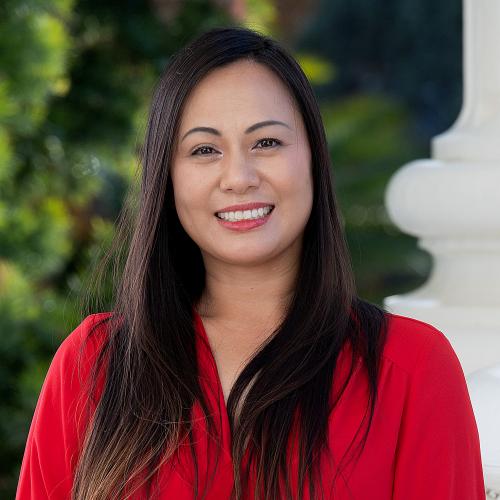
Asm. Stephanie Nguyen
Sponsored bills
Existing law classifies certain substances, including cocaine, heroin, and fentanyl, as controlled substances and generally prohibits the possession, sale, transportation, and use of these substances. Existing law additionally prohibits the possession of certain of these controlled substances including cocaine, heroin, and methamphetamine while armed with a loaded and operable firearm. A violation of this prohibition is punishable as a felony punishable by incarceration in the state prison. This bill would additionally prohibit the possession of fentanyl, as specified, while armed with a loaded and operable firearm if the person has knowledge that the specific controlled substance is fentanyl. By expanding the application of an existing crime, this bill would impose a state-mandated local program. The California Constitution requires the state to reimburse local agencies and school districts for certain costs mandated by the state. Statutory provisions establish procedures for making that reimbursement. This bill would provide that no reimbursement is required by this act for a specified reason.
Existing law requires a defendant who appears and demurs to the plaintiff's complaint in a summary proceeding for obtaining possession of real property to serve and file all moving and supporting papers at least 16 court days before the hearing, except as specified. This bill would provide that in a summary proceeding for obtaining possession of real property, if a tenant in a commercial real property, as defined, demurs to the complaint, the notice of hearing on the demurrer must designate a hearing date not more than 20 court days following the filing of the demurrer. The bill would also make a technical, nonsubstantive change.
Existing federal law provides for the Supplemental Nutrition Assistance Program (SNAP) , known in California as CalFresh, under which supplemental nutrition assistance benefits allocated to the state by the federal government are distributed to eligible individuals by each county. Existing law requires the State Department of Social Services to establish a food assistance program, known as the California Food Assistance Program (CFAP) , to provide assistance to a noncitizen of the United States if the person's immigration status meets the eligibility criteria of SNAP in effect on August 21, 1996, but the person is not eligible for SNAP benefits solely due to their immigration status, as specified. Existing law also makes eligible for the program an applicant who is otherwise eligible for the program, but who entered the United States on or after August 22, 1996, if the applicant is sponsored and the applicant meets one of a list of criteria, including that the applicant, after entry into the United States, is a victim of the sponsor or the spouse of the sponsor if the spouse is living with the sponsor. Existing law, to become operative on the date that the department notifies the Legislature that the Statewide Automated Welfare System (SAWS) has been updated to perform the necessary automation, and subject to an appropriation in the annual Budget Act, makes an individual 55 years of age or older eligible for the program if the individual's immigration status is the sole basis for their ineligibility for CalFresh benefits. This bill would delete the above-described contingency and, commencing on October 1, 2027, remove that age limitation and make any individual eligible for the program if the individual's immigration status is the sole basis for their ineligibility for CalFresh benefits. By extending eligibility for CFAP, which is administered by the counties, this bill would impose a state-mandated local program. The California Constitution requires the state to reimburse local agencies and school districts for certain costs mandated by the state. Statutory provisions establish procedures for making that reimbursement. This bill would provide that, if the Commission on State Mandates determines that the bill contains costs mandated by the state, reimbursement for those costs shall be made pursuant to the statutory provisions noted above.
Existing federal law provides for the Supplemental Nutrition Assistance Program (SNAP) , known in California as CalFresh, under which supplemental nutrition assistance benefits allocated to the state by the federal government are distributed to eligible individuals by each county. Existing law requires the State Department of Social Services to establish a food assistance program, known as the California Food Assistance Program (CFAP) , to provide assistance to a noncitizen of the United States if the person's immigration status meets the eligibility criteria of SNAP in effect on August 21, 1996, but the person is not eligible for SNAP benefits solely due to their immigration status, as specified. Existing law also makes eligible for the program an applicant who is otherwise eligible for the program, but who entered the United States on or after August 22, 1996, if the applicant is sponsored and the applicant meets one of a list of criteria, including that the applicant, after entry into the United States, is a victim of the sponsor or the spouse of the sponsor if the spouse is living with the sponsor. Existing law, to become operative on the date that the department notifies the Legislature that the Statewide Automated Welfare System (SAWS) has been updated to perform the necessary automation, and subject to an appropriation in the annual Budget Act, makes an individual 55 years of age or older eligible for the program if the individual's immigration status is the sole basis for their ineligibility for CalFresh benefits. This bill would remove that age limitation and make any individual eligible for the program if the individual's immigration status is the sole basis for their ineligibility for CalFresh benefits. By extending eligibility for CFAP, which is administered by the counties, this bill would impose a state-mandated local program. The California Constitution requires the state to reimburse local agencies and school districts for certain costs mandated by the state. Statutory provisions establish procedures for making that reimbursement. This bill would provide that, if the Commission on State Mandates determines that the bill contains costs mandated by the state, reimbursement for those costs shall be made pursuant to the statutory provisions noted above.
Existing law establishes the State Board of Education, and requires the state board to adopt rules and regulations, not inconsistent with the laws of the state, to govern the public elementary and secondary schools of the state. Existing law requires the state board to determine all questions of policy within its powers. Pursuant to these powers, the state board has adopted a policy known as the California English Learner Roadmap State Board of Education Policy: Educational Programs and Services for English Learners, also known as the EL Roadmap Policy, for the stated purpose of assisting the State Department of Education in providing guidance to local educational agencies with respect to educating English learners attending California public schools. Existing law establishes the State Department of Education, under the administration of the Superintendent of Public Instruction, and assigns the department numerous duties relating to the governance and funding of local educational agencies. This bill would require the state board to, on or before March 15, 2026, develop and adopt a "California English Learner Roadmap: Parent Toolkit" that will be made available to families served by school districts, county offices of education, and charter schools that are implementing the EL Roadmap Policy. The bill would require the state board to convene a workgroup to assist in the development of the parent toolkit, as provided. The bill would require the department to develop forms that may be used by parents of English learner pupils to request services from the pupil's teacher or administrator as it relates to the parent toolkit. The bill would establish the English Learner Roadmap Implementation Grant Pilot Program with the goal of locally planning and implementing the EL Roadmap Policy. The bill would require the department, on or before September 1, 2025, to award no more than 8 one-time grants of up to $1,500,000 per grant and no more than 4 one-time grants of up to $750,000 per grant to school districts, county offices of education, or charter schools, as provided. The bill would require the department to, among other things, determine application procedures and selection criteria for grant awards, review applications, identify and determine how data will be collected and shared with the public, and meet quarterly with leaders from the grant recipients for specified purposes. The bill would require grant recipients to submit to the department specified data as it relates to the grant received. The bill would require the department to submit to the appropriate policy and fiscal committees of the Legislature a progress report on or before January 31, 2027, and, on or before December 1, 2028, a final report, with specified information about, among other things, the successes and challenges of the grant program, as provided. This bill would make implementation of its provisions contingent upon an appropriation by the Legislature, as provided.
Existing law creates within the Governor's Office of Business and Economic Development the Office of Small Business Advocate, which is led by the Small Business Advocate, to advocate the causes of small business and to provide small businesses with the information they need to survive in the marketplace. Existing law requires the advocate to, among other duties, collaborate with the Office of Small Business and Disabled Veteran Business Enterprise Services in their activities under the Small Business Procurement and Contract Act, including promoting small business certification. This bill would also require the advocate to collaborate with local agencies on the development and implementation of local strategies to increase small business participation in local procurement opportunities, as specified. In this connection, the bill would authorize a local agency, as defined, to establish a Small Business Utilization Program (SBUP) to increase small businesses' participation in local agency procurement opportunities. The bill would require an SBUP, to facilitate the participation of small businesses in the provision of goods, information technology, and services to the local agency, to establish a small business certification process. As part of this process, the bill would require the SBUP, to the extent feasible, to include all of specified criteria, including, among other things, a minimum goal of 25% procurement participation for small businesses certification. The bill would authorize a local agency to submit information on its small business procurement participation to the Office of Small Business Advocate, including progress toward meeting utilization goals. The bill would require the Office of Small Business Advocate, subject to funding being available, and upon appropriation by the Legislature for these purposes, to issue its first data call to local agencies on or before November 15, 2026, as specified. The bill would include related legislative findings.
Maddy summaryThis California Assembly resolution encourages the U.S. Congress to pass legislation creating a National Infrastructure Bank to fund critical repairs and upgrades for roads, bridges, dams, and other public works. The bill cites reports from the American Society of Civil Engineers highlighting billions of dollars in investment gaps and poor conditions affecting California's transportation and water systems. It advocates for a financing model that uses existing federal debt rather than new taxes, aiming to stimulate the economy, create jobs, and prioritize projects in disadvantaged communities. The resolution formally requests that federal leaders adopt this approach to address the state's urgent infrastructure needs.
Maddy summaryThis California House Resolution condemns the July 13, 2024, assassination attempt on former President Donald J. Trump and calls for an end to political violence. The measure highlights the event where Trump was wounded while speaking at a rally in Butler, Pennsylvania, and notes that one attendee died and others were injured while trying to protect him. It urges the state to foster a political environment based on respectful discourse and nonviolence. The resolution is a formal statement of the Assembly's stance and does not create new laws or change existing policies.
This measure would recognize the importance of California Native American Day, celebrated this year on September 27, 2024, and the annual California Indian Cultural Awareness Conference, to the enhancement of awareness of California Indian culture.