Issue · Environment

Environment (Drinking Water)

Every environment bill, vote, and legislator stance in California, automatically classified by Maddy, our AI policy reader.

Total bills
15
2025-2026 Regular Session
Top supporter
Alex Lee
100% support rate
Top opponent
Diane Dixon
0% support rate
Ranked legislators
10
5 support · 5 oppose
Key legislators

Who's moving drinking water in California

Legislators moving drinking water in California
Legislator Party Stance Support rate Votes
Alex Lee
Alex Lee House · District 24
D
Strong +
100% 5
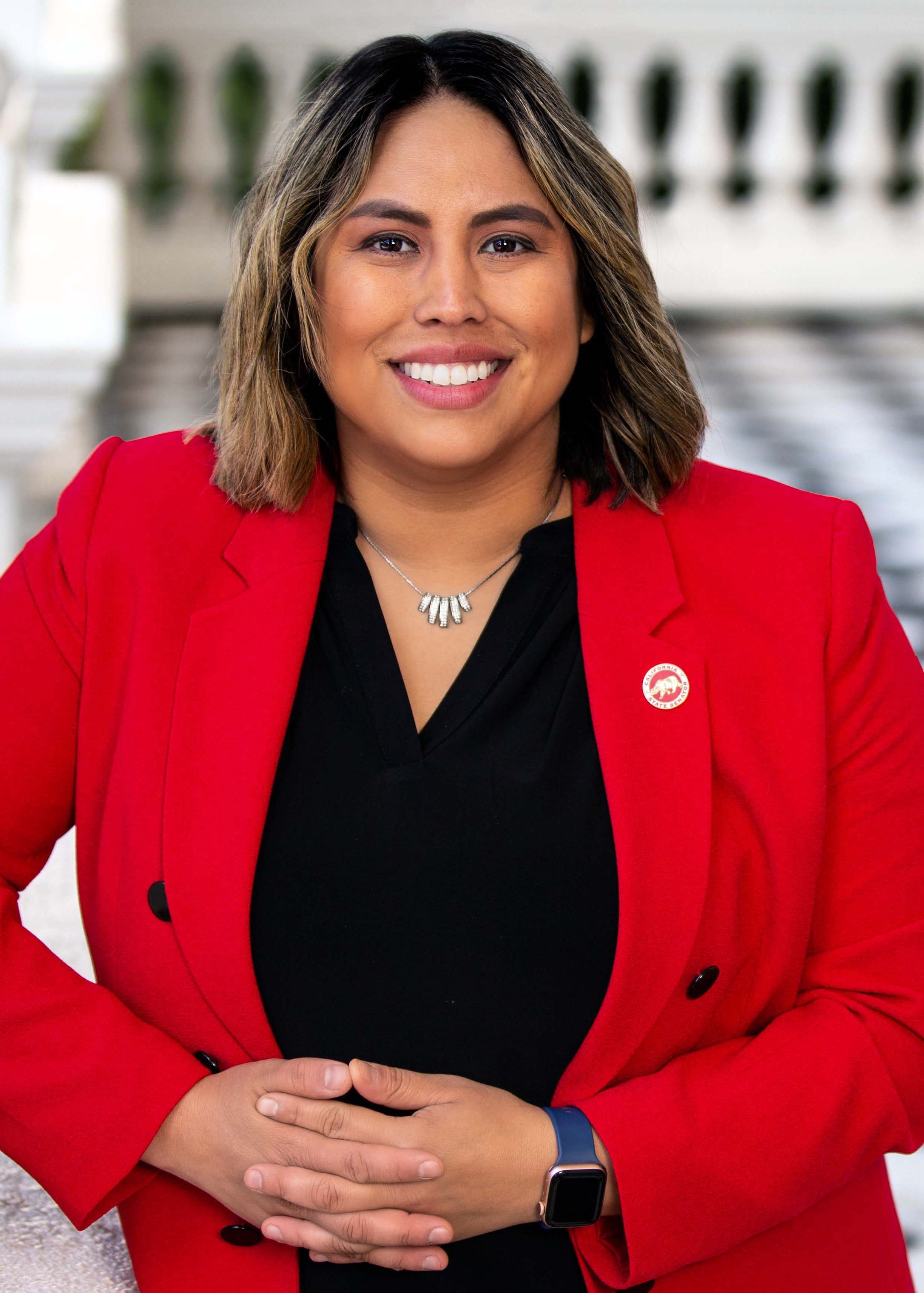
Caroline Menjivar
Caroline Menjivar Senate · District 20
D
Strong +
100% 5
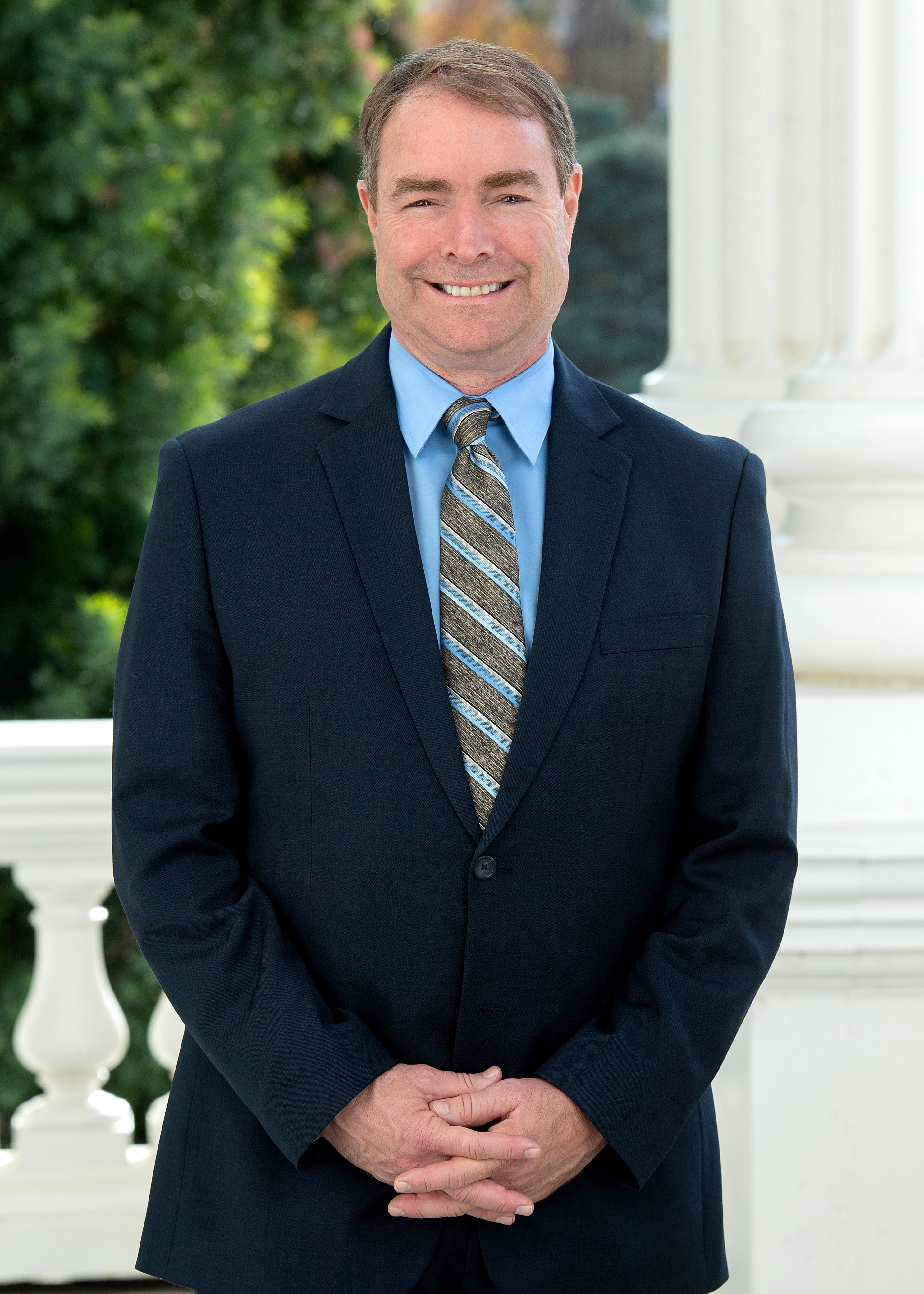
Damon Connolly
Damon Connolly House · District 12
D
Strong +
100% 5
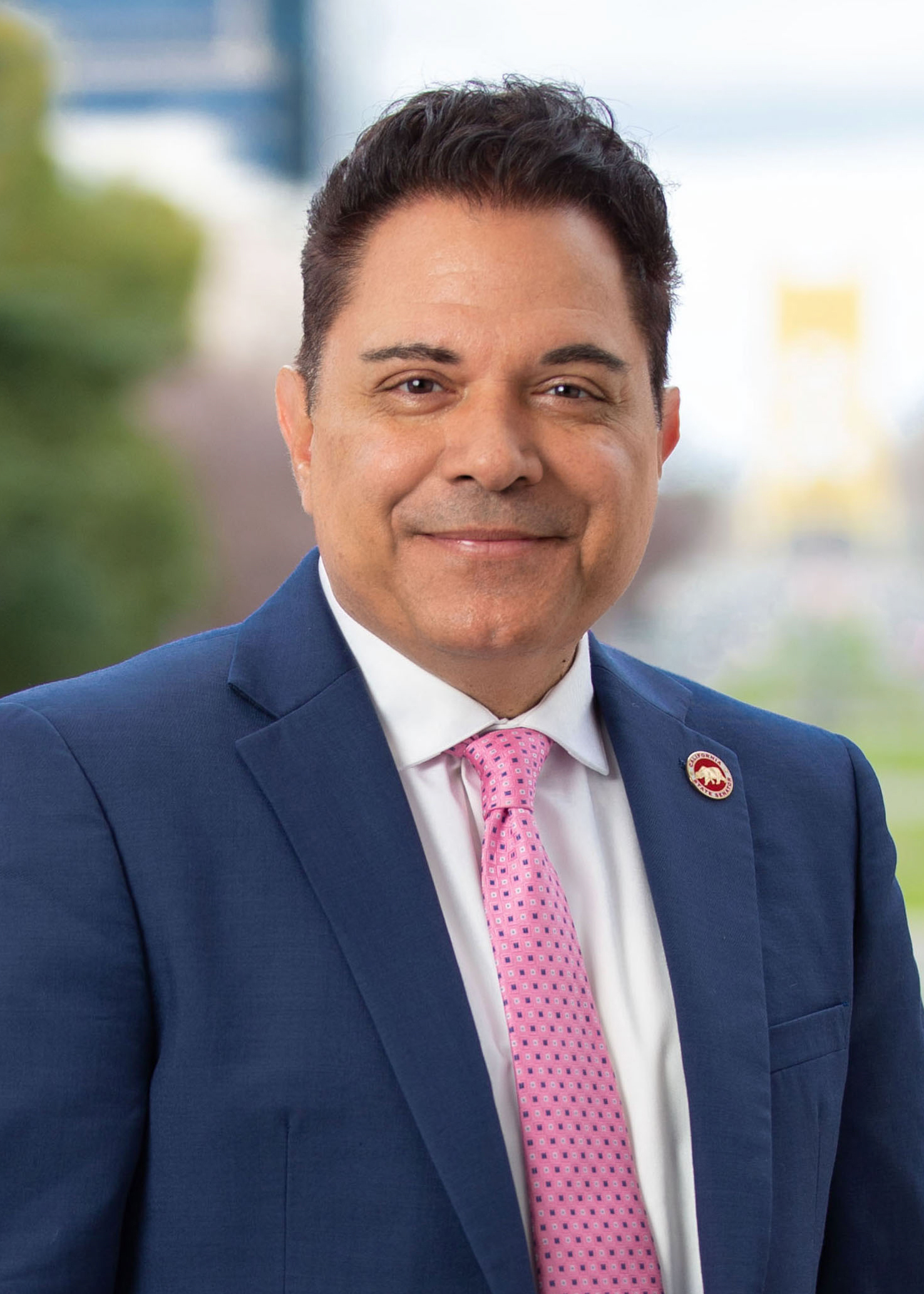
Steve Padilla
Steve Padilla Senate · District 18
D
Strong +
100% 5
Aisha Wahab
Aisha Wahab Senate · District 10
D
Strong +
100% 4
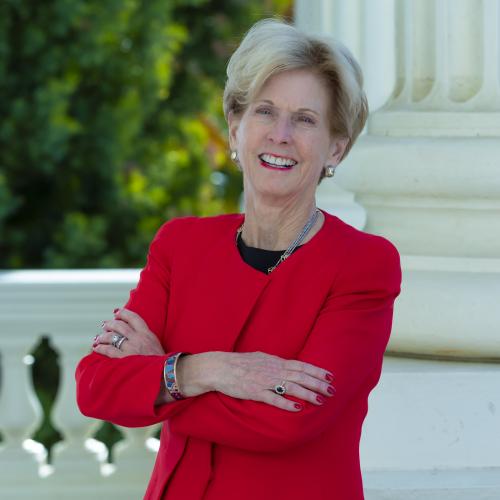
Diane Dixon
Diane Dixon House · District 72
R
Strong −
0% 5
David Tangipa
David Tangipa House · District 8
R
Strong −
0% 4
Kelly Seyarto
Kelly Seyarto Senate · District 32
R
Strong −
0% 4
Megan Dahle
Megan Dahle Senate · District 1
R
Strong −
0% 4
Suzette Valladares
Suzette Valladares Senate · District 23
R
Strong −
0% 4
Showing 1–10 of 15 bills

All environment bills

passed · California · Senate Aug 30, 2026

SB 195: Income taxes: exclusions: wildfire loss mitigation payments.

SB 195 is a procedural bill that merely expresses the Legislature's intent to later enact statutory changes related to the upcoming Budget Act of 2025. It does not make any concrete budget changes or affect specific groups or programs. The bill serves as a formal step to signal future legislative action on budget processes, without detailing any specific provisions or funding allocations. This is a standard procedural measure to guide future budget discussions, not a substantive policy change.
in committee · California · Senate May 14, 2026

SB 1313: Drinking water: perfluoroalkyl and polyfluoroalkyl substances.

Existing law establishes the Safe Drinking Water State Revolving Fund, and moneys in the fund are continuously appropriated to the State Water Resources Control Board for the provision of grants and revolving fund loans to provide for the design and construction of projects for public water systems that will enable suppliers to meet safe drinking water standards. Existing law provides that moneys in the fund and its special accounts may be expended for additional purposes provided in the federal Safe Drinking Water Act. This bill would provide that moneys in the fund and its special accounts may be considered eligible and expended for projects that address perfluoroalkyl and polyfluoroalkyl substances in drinking water. By expanding the purposes for which a continuously appropriated fund may be expended, the bill would make an appropriation. The bill would authorize the state board to implement the bill through updating an existing policy handbook, which would be exempt from the rulemaking provisions of the Administrative Procedure Act.
Sub-Topics Drinking Water
passed both · California · Assembly Aug 27, 2026

AB 1901: Children's diapers: intentionally added ingredients: disclosure.

Existing law prohibits juvenile products, textile articles, and food packaging that contain specified levels of perfluoroalkyl and polyfluoroalkyl substances (PFAS) from being distributed, sold, or offered for sale in the state, as provided. Existing law establishes the Toxic Substances Control Account in the General Fund to be administered by the Director of Toxic Substances Control. This bill would require, on or before January 1, 2029, the manufacturer of children's diapers sold, distributed, or manufactured in the state to display on a dedicated web page on the manufacturer's internet website, and would authorize display on the product details page where the children's diapers are sold, a list of all of the children's diaper's intentionally added ingredients, as defined, in order of chemical or raw material weight, including the chemical or raw material name, the Chemical Abstract Service (CAS) number, and all specific functions or purposes for use in the children's diapers. The bill would require, on or before January 1, 2029, all children's diapers distributed or manufactured in the state, and, on or before July 1, 2029, all children's diapers sold in the state, to include on the outermost package an internet website address for a dedicated web page on the manufacturer's internet website that provides all of that information and a list of all of the intentionally added ingredients in order of chemical or raw material weight in the children's diapers. The bill would authorize the Department of Toxic Substances Control to enforce these requirements. The bill would require a person who violates these requirements to be liable for an administrative penalty not to exceed $5,000 for the first violation and not to exceed $10,000 for each subsequent violation, as provided. The bill would authorize the department to adopt regulations to implement, enforce, interpret, or make specific these requirements. The bill would authorize, upon appropriation by the Legislature, funds in the Toxic Substances Control Account to be used by the department to implement these requirements. The bill would require penalties collected to be deposited in the Toxic Substances Control Account. The bill would prohibit the sale, distribution, or manufacture of children's diapers in the state that do not comply with these requirements. The bill would make these provisions severable.
Sub-Topics Drinking Water
passed both · California · Assembly Aug 25, 2026

AB 2577: Safe Drinking Water and Toxic Enforcement Act of 1986: settlements: attorney's fees.

The Safe Drinking Water and Toxic Enforcement Act of 1986, an initiative measure approved by the voters as Proposition 65 at the November 4, 1986, statewide general election, prohibits a person, in the course of doing business, from knowingly and intentionally exposing any individual to a chemical known to the state to cause cancer or reproductive toxicity without giving a specified warning, or from knowingly discharging or releasing that chemical into water, or into or onto land and passing into any source of drinking water, except as specified. The act authorizes a person, acting in the public interest, to bring an action to enforce the requirements of the act if specified requirements are met. If there is a settlement of an action brought by a person in the public interest, the act requires the plaintiff to submit the settlement to the court for approval upon noticed motion, and authorizes the court to approve the settlement only if the court makes specified findings, as provided, including that the award of attorney's fees is reasonable under state law. This bill would additionally require the court to find that the award of attorney's fees is appropriate under state law and that the settlement is in the public interest and provides a public benefit. The bill would further require, under a specified circumstance, the court to find that the settlement would require the defendant to reduce the exposure to the listed chemical from the level that existed before the settlement or provide a warning that complies with the act if that warning was not provided previously. The bill would also establish a procedure pursuant to which the court would be authorized to enter an award of attorney's fees if the Attorney General objects to the award of attorney's fees set forth in the settlement, as provided. Proposition 65 provides that it may be amended by a statute, passed by a 23 vote of each house of the Legislature, to further its purposes. This bill would find and declare that it furthers the purposes of Proposition 65.
Sub-Topics Drinking Water
signed · California · Senate Oct 1, 2025

SB 72: The California Water Plan: long-term supply targets.

Existing law requires the Department of Water Resources to update every 5 years the plan for the orderly and coordinated control, protection, conservation, development, and use of the water resources of the state, which is known as "The California Water Plan." Existing law requires the department to include a discussion of various strategies in the plan update, including, but not limited to, strategies relating to the development of new water storage facilities, water conservation, water recycling, desalination, conjunctive use, and water transfers, that may be pursued in order to meet the future needs of the state. Existing law requires the department to establish an advisory committee to assist the department in updating the plan. This bill would revise and recast certain provisions regarding The California Water Plan to, among other things, require the department to expand the membership of the advisory committee to include, among others, tribes, labor, and environmental justice interests. The bill would require the department, as part of the 2033 update to the plan, to update the interim planning target for 2050, as provided. The bill would require the target to consider the identified and future water needs for all beneficial uses, including, but not limited to, urban uses, agricultural uses, tribal uses, and the environment, and ensure safe drinking water for all Californians, among other things. The bill would require the plan to include specified components, including a discussion of the estimated costs, benefits, and impacts of any project type or action that is recommended by the department within the plan that could help achieve the water supply targets. The bill would require the department to report to the Legislature the amendments, supplements, and additions included in the updates of the plan, together with a summary of the department's conclusions and recommendations, in the session in which the updated plan is issued. The bill would also require the department to conduct public workshops to give interested parties an opportunity to comment on the plan.
failed · California · Senate Feb 2, 2026

SB 730: Product safety: consumer products: perfluoroalkyl and polyfluoroalkyl substances.

Existing law requires the Department of Toxic Substances Control, on or before January 1, 2029, to adopt regulations to enforce specified covered perfluoroalkyl and polyfluoroalkyl substances (PFAS) restrictions, which include prohibitions on the distribution, sale, or offering for sale of certain products that contain specified levels of PFAS. Existing law requires the department, on and after July 1, 2030, to enforce and ensure compliance with those provisions and regulations, as provided. Existing law requires manufacturers of these products, on or before July 1, 2029, to register with the department, to pay a registration fee to the department, and to provide a statement of compliance certifying compliance with the applicable prohibitions on the use of PFAS to the department, as specified. Existing law authorizes the department to test products and to rely on third-party testing to determine compliance with prohibitions on the use of PFAS, as specified. Existing law requires the department to issue a notice of violation for a product in violation of the prohibitions on the use of PFAS, as provided. Existing law authorizes the department to assess an administrative penalty for a violation of these prohibitions and authorizes the department to seek an injunction to restrain a person or entity from violating these prohibitions, as specified. This bill would, beginning January 1, 2027, prohibit a person from distributing, selling, or offering for sale artificial turf, carpets or rugs, cleaning products, cookware, dental floss, fabric treatments, or upholstered furniture that contain intentionally added PFAS, as defined. The bill would authorize the department to adopt regulations to designate additional consumer product categories to prohibit the distribution, selling, or offering for sale of consumer products containing intentionally added PFAS within those consumer product categories if the department determines that safer alternatives, as defined, are readily available at comparable costs. The bill would prohibit the department from adopting a regulation that prohibits a consumer product containing intentionally added PFAS from distribution, sale, or offering for sale on or before 18 months after the regulation is adopted. The bill would define "product" for purposes of these provisions to not include, among other things, used products offered for sale, federally approved drugs or medical devices, or products containing fluoropolymers, as specified. This bill would require these prohibitions on consumer products to be enforced by the department pursuant to the existing authority described above, including, but not limited to, the authority relating to registration, product testing, and administrative penalties.
Sub-Topics Drinking Water
failed · California · Assembly Feb 2, 2026

AB 307: Safe Drinking Water, Wildfire Prevention, Drought Preparedness, and Clean Air Bond Act of 2024: Department of Forestry and Fire Protection: fire camera mapping system.

The Safe Drinking Water, Wildfire Prevention, Drought Preparedness, and Clean Air Bond Act of 2024, approved by the voters as Proposition 4 at the November 5, 2024, statewide general election, authorized the issuance of bonds in the amount of $10,000,000,000 pursuant to the State General Obligation Bond Law to finance projects for safe drinking water, drought, flood, and water resilience, wildfire and forest resilience, coastal resilience, extreme heat mitigation, biodiversity and nature-based climate solutions, climate-smart, sustainable, and resilient farms, ranches, and working lands, park creation and outdoor access, and clean air programs. Of these funds, the act makes available $1,500,000,000, upon appropriation by the Legislature, for wildfire prevention, including, among other things, by making $25,000,000 available, upon appropriation by the Legislature, to the Department of Forestry and Fire Protection for technologies that improve detection and assessment of new fire ignitions. This bill would require, of the $25,000,000 made available to the department, $10,000,000 be allocated for purposes of the ALERTCalifornia fire camera mapping system.
failed · California · Assembly Feb 2, 2026

AB 872: Environmental health: product safety: perfluoroalkyl and polyfluoroalkyl substances.

(1) Existing law, known as the Green Chemistry program, requires the Department of Toxic Substances Control to adopt regulations to establish a process to identify and prioritize chemicals or chemical ingredients in consumer products that may be considered as being chemicals of concern. Existing law requires the regulations to include criteria by which chemicals and their alternatives may be evaluated by the department, as provided. Existing law requires the department, following the completion of an alternatives analysis, to provide a regulatory response that may include, but is not limited to, not requiring any action and restricting or prohibiting the use of the chemical of concern in the consumer product. This bill would, beginning January 1, 2028, prohibit a person from distributing, selling, or offering for sale a covered product, as defined, that contains intentionally added PFAS, as defined, unless the department has issued a regulatory response for the covered product pursuant to the Green Chemistry program or the prohibition is preempted by federal law. The bill would authorize a manufacturer of a covered product to petition the department to evaluate a covered product and would require the department to evaluate and provide a regulatory response for a covered product under the Green Chemistry program, as specified. This bill would require the department, on or before January 1, 2028, to adopt regulations to carry out these provisions. The bill would require the department to analyze and comment on the presence of PFAS in industrial processes and products, as specified. The bill would authorize the department to identify and categorize commercially active PFAS present in products distributed in California, as specified. The bill would authorize the department to report on other issues relating to products containing PFAS and emissive compounds. (2) Existing law requires the department, on or before January 1, 2029, to adopt regulations to enforce specified covered perfluoroalkyl and polyfluoroalkyl substances (PFAS) restrictions, which include prohibitions on the distribution, sale, or offering for sale of certain products that contain specified levels of PFAS. Existing law requires the department, on and after July 1, 2030, to enforce and ensure compliance with those provisions and regulations, as provided. Existing law requires manufacturers of these products, on or before July 1, 2029, to register with the department, to pay a registration fee to the department, and to provide a statement of compliance certifying compliance with the applicable prohibitions on the use of PFAS to the department, as specified. Existing law authorizes the department to test products and to rely on third-party testing to determine compliance with prohibitions on the use of PFAS, as specified. Existing law requires the department to issue a notice of violation for a product in violation of the prohibitions on the use of PFAS, as provided. Existing law authorizes the department to assess an administrative penalty for a violation of these prohibitions and authorizes the department to seek an injunction to restrain a person or entity from violating these prohibitions, as specified. This bill would require the department to use this existing authority to enforce the prohibition on products that would be prohibited by the provisions in paragraph (1) . (3) Existing law requires the department, in consultation with the Office of Environmental Health Hazard Assessment and all appropriate state agencies, to adopt regulations to establish a process to identify and prioritize chemicals or chemical ingredients in consumer products that may be considered as being a chemical of concern, as specified. Pursuant to that authority, the department adopted regulations known as the Safer Consumer Products Regulations. This bill would authorize, but not require, that those regulations evaluate uses of PFAS in products that would be prohibited by the provisions in paragraph (1) .
Sub-Topics Drinking Water
failed · California · Senate Feb 2, 2026

SB 90: Safe Drinking Water, Wildfire Prevention, Drought Preparedness, and Clean Air Bond Act of 2024: grants: improvements to public evacuation routes: mobile rigid water storage: electrical generators.

The Safe Drinking Water, Wildfire Prevention, Drought Preparedness, and Clean Air Bond Act of 2024, approved by the voters as Proposition 4 at the November 5, 2024, statewide general election, authorized the issuance of bonds in the amount of $10,000,000,000 pursuant to the State General Obligation Bond Law to finance projects for safe drinking water, drought, flood, and water resilience, wildfire and forest resilience, coastal resilience, extreme heat mitigation, biodiversity and nature-based climate solutions, climate-smart, sustainable, and resilient farms, ranches, and working lands, park creation and outdoor access, and clean air programs. The act makes $135,000,000 available, upon appropriation by the Legislature, to the Office of Emergency Services for a wildfire mitigation grant program to provide, among other things, loans, direct assistance, and matching funds for projects that prevent wildfires, increase resilience, maintain existing wildfire risk reduction projects, reduce the risk of wildfires to communities, or increase home or community hardening. The act provides that eligible projects include, but are not limited to, grants to local agencies, state agencies, joint powers authorities, tribes, resource conservation districts, fire safe councils, and nonprofit organizations for structure hardening of critical community infrastructure, wildfire smoke mitigation, evacuation centers, including community clean air centers, structure hardening projects that reduce the risk of wildfire for entire neighborhoods and communities, water delivery system improvements for fire suppression purposes for communities in very high or high fire hazard areas, wildfire buffers, and incentives to remove structures that significantly increase hazard risk. This bill would include in the list of eligible projects grants to the above-mentioned entities for improvements to public evacuation routes in very high and high fire hazard severity zones, mobile rigid dip tanks, as defined, to support firefighting efforts, prepositioned mobile rigid water storage, as defined, and improvements to the response and effectiveness of fire engines and helicopters. The bill would also include grants, in coordination with the Public Utilities Commission, to local agencies, state agencies, special districts, joint powers authorities, tribes, and nonprofit organizations for backup electrical generators for water reservoirs.
in committee · California · Assembly Mar 25, 2025

ACA 11: A resolution to propose to the people of the State of California an amendment to the Constitution of the State, by adding Section 8 to Article X thereof, relating to water.

The California Constitution declares that the general welfare requires that the water resources of the state be put to beneficial use to the fullest extent of which they are capable, and that the right to the use of water does not extend to the waste or unreasonable use, method of use, or method of diversion of water. This measure, the California Water Resiliency Act, would require the Treasurer to annually transfer an amount equal to 1% of all state revenues from the General Fund to the Water Conveyance and Capacity Infrastructure Fund, which the measure would create. The measure would continuously appropriate moneys in the fund to the California Water Commission for its actual costs of implementing these provisions and for administering grants for the entitlement, repair, design, and construction of water infrastructure projects that will maintain or expand the availability of clean, safe drinking water for homes and businesses, and water for agricultural uses, consistent with area of origin water rights.
Sub-Topics Drinking Water
Showing 1 to 10 of 15 bills
1 2 Next