Issue · Criminal Justice

Criminal Justice (Juvenile Justice)

Every criminal justice bill, vote, and legislator stance in California, automatically classified by Maddy, our AI policy reader.

Total bills
4
2025-2026 Regular Session
Top supporter
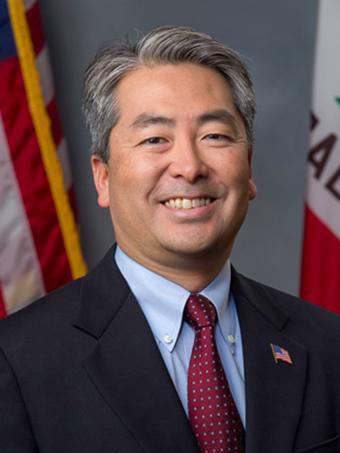
Al Muratsuchi
100% support rate
Top opponent
Phillip Chen
0% support rate
Ranked legislators
10
5 support · 5 oppose
Key legislators

Who's moving juvenile justice in California

Legislators moving juvenile justice in California
Legislator Party Stance Support rate Decisive votes
Al Muratsuchi
Al Muratsuchi House · District 66
D
Strong +
100% 4
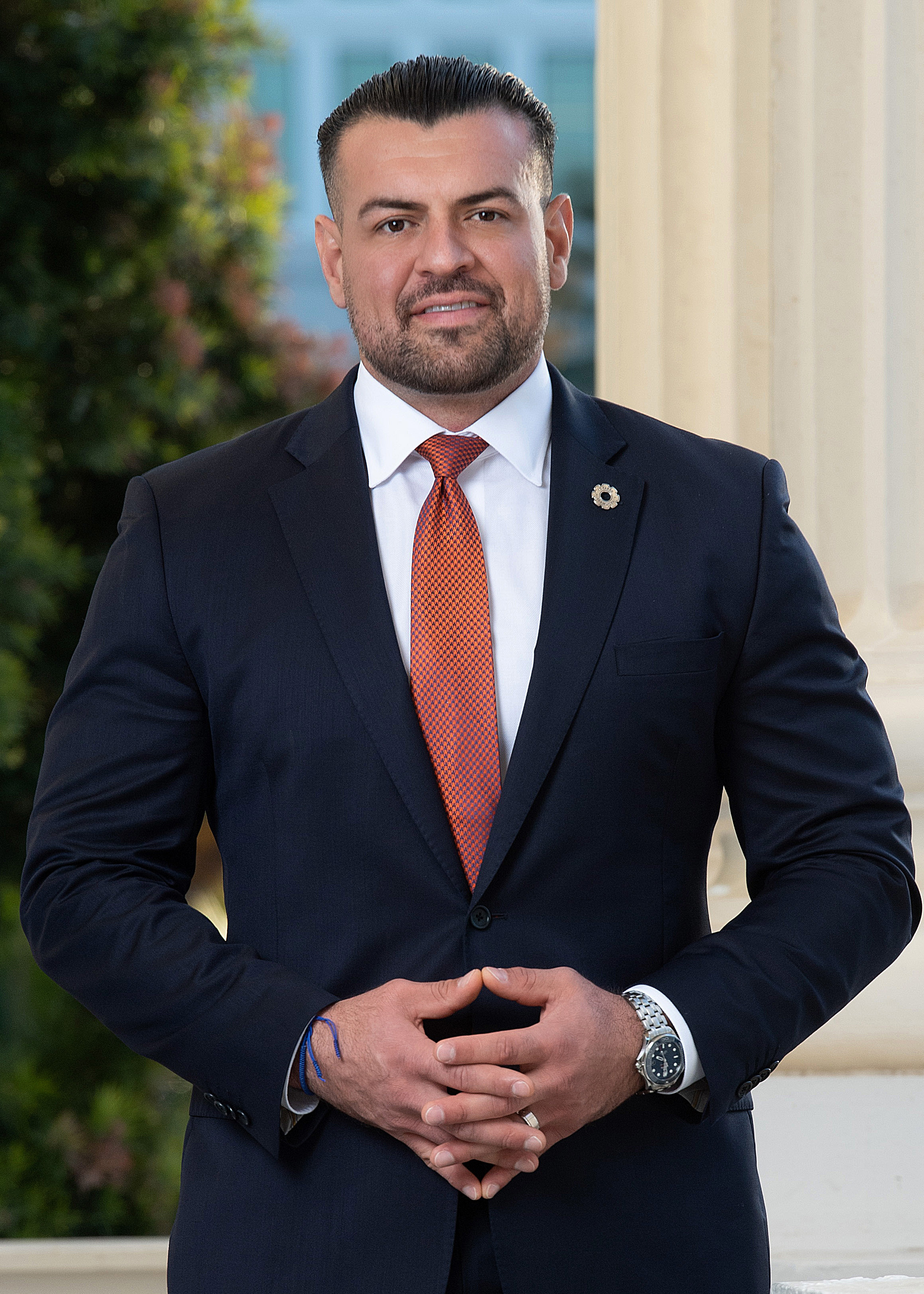
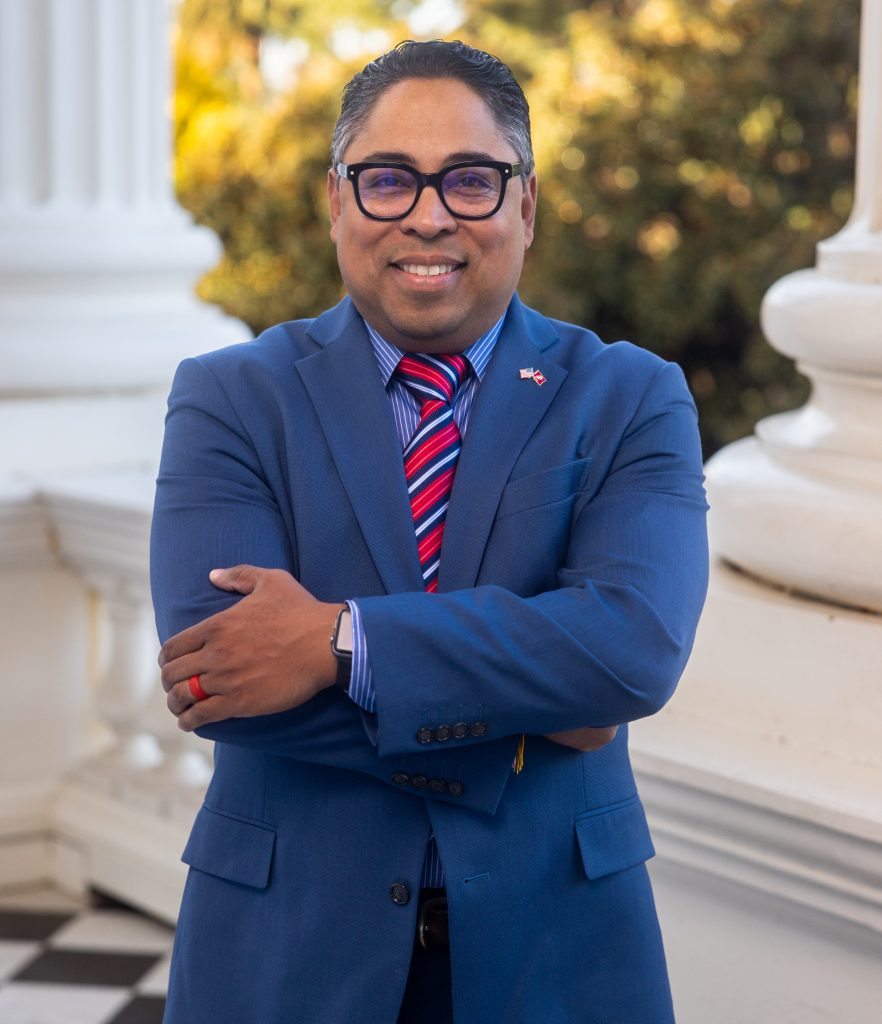
Avelino Valencia
Avelino Valencia House · District 68
D
Strong +
100% 4
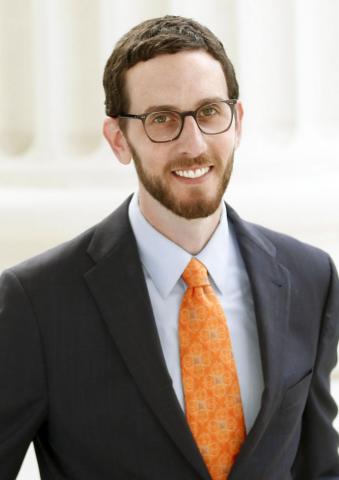
Scott Wiener
Scott Wiener Senate · District 11
D
Strong +
91% 11
Aisha Wahab
Aisha Wahab Senate · District 10
D
Strong +
90% 10
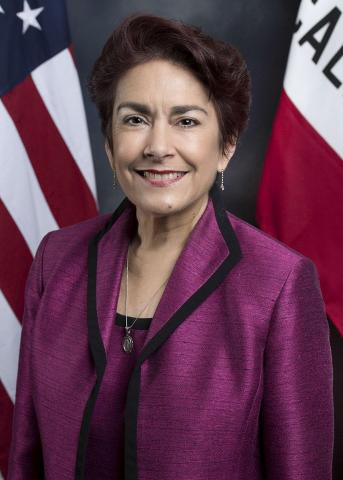
Anna Caballero
Anna Caballero Senate · District 14
D
Strong +
90% 10
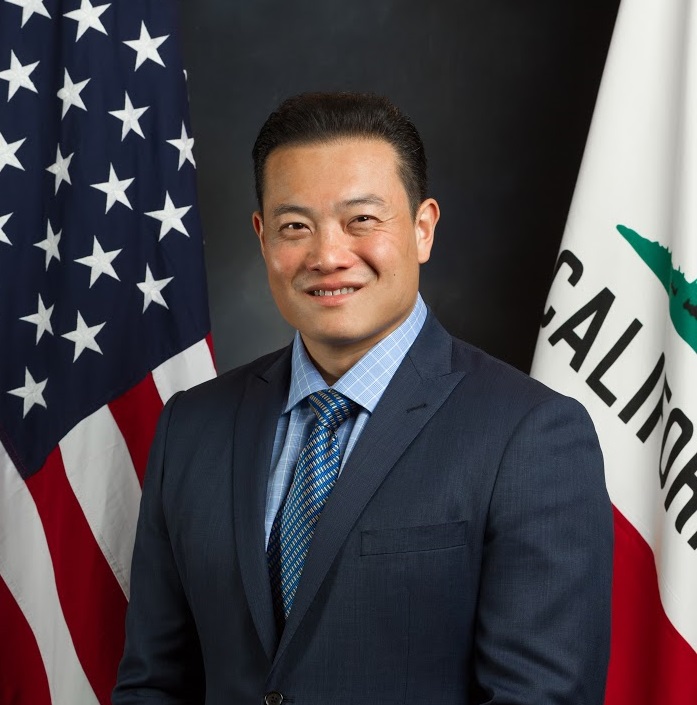
Phillip Chen
Phillip Chen House · District 59
R
Strong −
0% 6
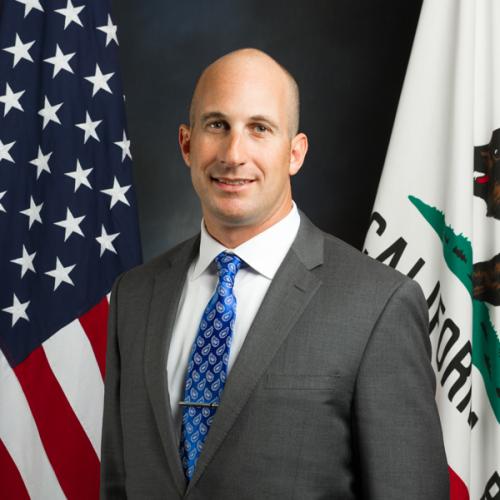
Heath Flora
Heath Flora House · District 9
R
Strong −
0% 5
Jeff Gonzalez
Jeff Gonzalez House · District 36
R
Strong −
0% 5
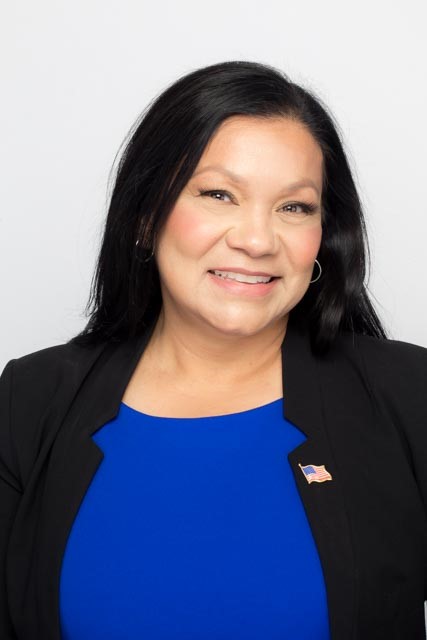
Leticia Castillo
Leticia Castillo House · District 58
R
Strong −
0% 5
Tri Ta
Tri Ta House · District 70
R
Strong −
0% 5
Showing 4 of 4 bills

All criminal justice bills

passed both · California · Assembly Aug 25, 2026

AB 1647: Juveniles: transfer to criminal court: criminal procedure.

Existing law, as amended by the Public Safety and Rehabilitation Act of 2016, enacted by Proposition 57 at the November 8, 2016, statewide general election, authorizes the district attorney to make a motion to transfer a minor from juvenile court to a court of criminal jurisdiction in a case in which a minor is alleged to have committed a felony when the minor was 16 years of age or older, or in a case in which a specified serious offense is alleged to have been committed by a minor when the minor was 14 or 15 years of age, but the minor was not apprehended prior to the end of juvenile court jurisdiction. Existing case law prohibits the use of a minor's statements made at a transfer hearing or to a probation officer from being used during a criminal prosecution of the minor transferred to the court of criminal jurisdiction. This bill would codify existing case law to prohibit the use of the minor's statements made during a transfer hearing or to the minor's probation officer for the purposes of preparing a report for a transfer hearing from being used against the minor during subsequent juvenile proceedings or subsequent criminal proceedings, as specified. This bill would state that the provisions of this bill are declaratory of existing law.
signed · California · Assembly Oct 6, 2025

AB 383: Firearms: prohibition: minors.

Existing law prohibits a juvenile who is adjudged a ward of the juvenile court due to the commission of specified serious or violent offenses from subsequently owning, possessing, or having under their custody or control a firearm until they are 30 years of age. A violation of this prohibition is punishable as a misdemeanor or as a felony. Existing law also prohibits certain other persons, including a person who is convicted of a felony offense, from owning, possessing, or having under their custody or control a firearm or ammunition. Existing law requires a person subject to those orders to relinquish any firearms or ammunition they own, possess, or have under their custody or control and specifies the procedures to be used to relinquish those firearms or ammunition. Those procedures, among other things, require the court to provide specific instructions to the defendant and to assign the matter to a probation officer to investigate whether the defendant owns, possesses, or has under their custody or control any firearms, require a law enforcement agency to update the Automated Firearms System to reflect any firearms that were relinquished to the agency pursuant to these procedures, and require a defendant to timely file a completed Prohibited Persons Relinquishment Form. Existing law makes it an infraction for a defendant to fail to timely file that form. This bill would make those procedures to relinquish firearms or ammunition applicable to a juvenile who is prohibited from owning, possessing, or having under their custody or control a firearm until they are 30 years of age. By expanding the scope of a crime and expanding the duties of local probation departments and law enforcement agencies, this bill would impose a state-mandated local program. Existing law allows a search warrant to be issued upon probable cause, supported by affidavit, naming or describing the person to be searched or searched for, and particularly describing the property, thing, or things and the place to be searched. Existing law also specifies the grounds upon which a search warrant may be issued, including, among other grounds, that the property or things to be seized include a firearm that is owned by, or in the possession of, or in the custody or control of, a person prohibited from owning, possessing, or having the custody and control of a firearm pursuant to specified provisions of law, and the court has made a finding that the person has failed to relinquish the firearm as required by law. This bill would additionally allow a search warrant to be issued when the property or things to be seized include a firearm that is owned by, or in the possession of, or in the custody or control of, a juvenile who is subject to the prohibition on owning or possessing a firearm until they are 30 years of age when the court has made a finding that the person has failed to relinquish the firearm as required by law. This bill would declare that its provisions are severable. The California Constitution requires the state to reimburse local agencies and school districts for certain costs mandated by the state. Statutory provisions establish procedures for making that reimbursement. This bill would provide that with regard to certain mandates no reimbursement is required by this act for a specified reason. With regard to any other mandates, this bill would provide that, if the Commission on State Mandates determines that the bill contains costs so mandated by the state, reimbursement for those costs shall be made pursuant to the statutory provisions noted above.
failed · California · Assembly Feb 2, 2026

AB 22: Crime.

(1) Existing law, the Sex Offender Registration Act, requires a person convicted of one of certain crimes, as specified, to register with law enforcement as a sex offender while residing in California or while attending school or working in California, as specified. A willful failure to register, as required by the act, is a misdemeanor or felony, depending on the underlying offense. Existing law exempts a person convicted of certain offenses involving a minor from mandatory registration under the act if, at the time of the offense, the person is not more than 10 years older than the minor and if that offense is the only one requiring the person to register. This bill would repeal that exemption. (2) Existing law, as amended by Proposition 57, an initiative measure approved by the voters at the November 8, 2016, statewide general election, removed the requirement that a person 14 years of age or older who commits certain severe crimes be automatically tried in adult court and requires that specified youth have a transfer hearing in juvenile court before they can be transferred to adult court. Proposition 57 also limited the criteria for which a juvenile transfer hearing may occur, including a youth committing specified crimes when they were 14 or 15 years of age or a felony when they were 16 or 17 years of age. This bill would repeal the changes enacted by Proposition 57. The bill would also make technical and conforming changes. (3) Existing law defines a sexually violent predator as a person who has been convicted of a sexually violent offense and has a diagnosed mental disorder that makes the person a danger to others in that they are likely to engage in sexually violent criminal behavior. Existing law provides for the civil commitment of a person who is determined to be a sexually violent predator. Existing law establishes a procedure by which a person committed as a sexually violent predator may petition for conditional release and requires the court, if it makes a specified determination, to place the person on conditional release. Existing law generally requires that a person released on conditional release pursuant to these provisions be placed in the person's county of domicile prior to their incarceration unless extraordinary circumstances exist requiring placement outside the county, as specified. Existing law also prohibits the placement of a person released on conditional release within 14 mile of any public or private school, as specified. The bill would require the State Department of State Hospitals to ensure department vendors consider public safety as the overriding consideration in the placement of a conditionally released sexually violent predator and approve a potential placement before a department employee or vendor signs a lease or rental agreement for the placement of a sexually violent predator, as specified. The bill would prohibit the placement of a person released on conditional release within an area zoned for residential use in the general plan of a city or county and within 3 miles of tribal land, except as specified. The bill would require the department to have proof of housing before conditionally releasing a sexually violent predator. (4) This bill would require the Secretary of State to submit the provisions of the bill that amend the initiative statute to the electors for their approval at the next statewide primary election.
Sub-Topics Juvenile Justice
failed · California · Senate Feb 2, 2026

SB 432: Serious felonies: furnishing fentanyl to a minor.

Existing law, as added by the Victims' Bill of Rights, approved as Proposition 8 at the June 8, 1982, statewide primary election, and as amended by the Gang Violence and Juvenile Crime Prevention Act of 1998, approved as Proposition 21 at the March 7, 2000, statewide primary election, among other things, defines a serious felony. 2 3 vote, or by a statute that becomes effective only when approved by the voters."?> Existing law prohibits plea bargaining in a case in which a serious felony is charged and imposes a 5-year enhancement for conviction of a serious felony if the person has previously been convicted of a serious felony. This bill would include knowingly furnishing fentanyl to a minor within the definition of a serious felony. By expanding the scope of an enhancement, this bill would impose a state-mandated local program. The California Constitution requires the state to reimburse local agencies and school districts for certain costs mandated by the state. Statutory provisions establish procedures for making that reimbursement. This bill would provide that no reimbursement is required by this act for a specified reason.