Issue · Criminal Justice

Criminal Justice

Every criminal justice bill, vote, and legislator stance in California, automatically classified by Maddy, our AI policy reader.

Total bills
310
2025-2026 Regular Session
Top supporter
Anna Caballero
92% support rate
Top opponent
Phillip Chen
8% support rate
Ranked legislators
10
5 support · 5 oppose
Key legislators

Who's moving criminal justice in California

Legislators moving criminal justice in California
Legislator Party Stance Support rate Votes
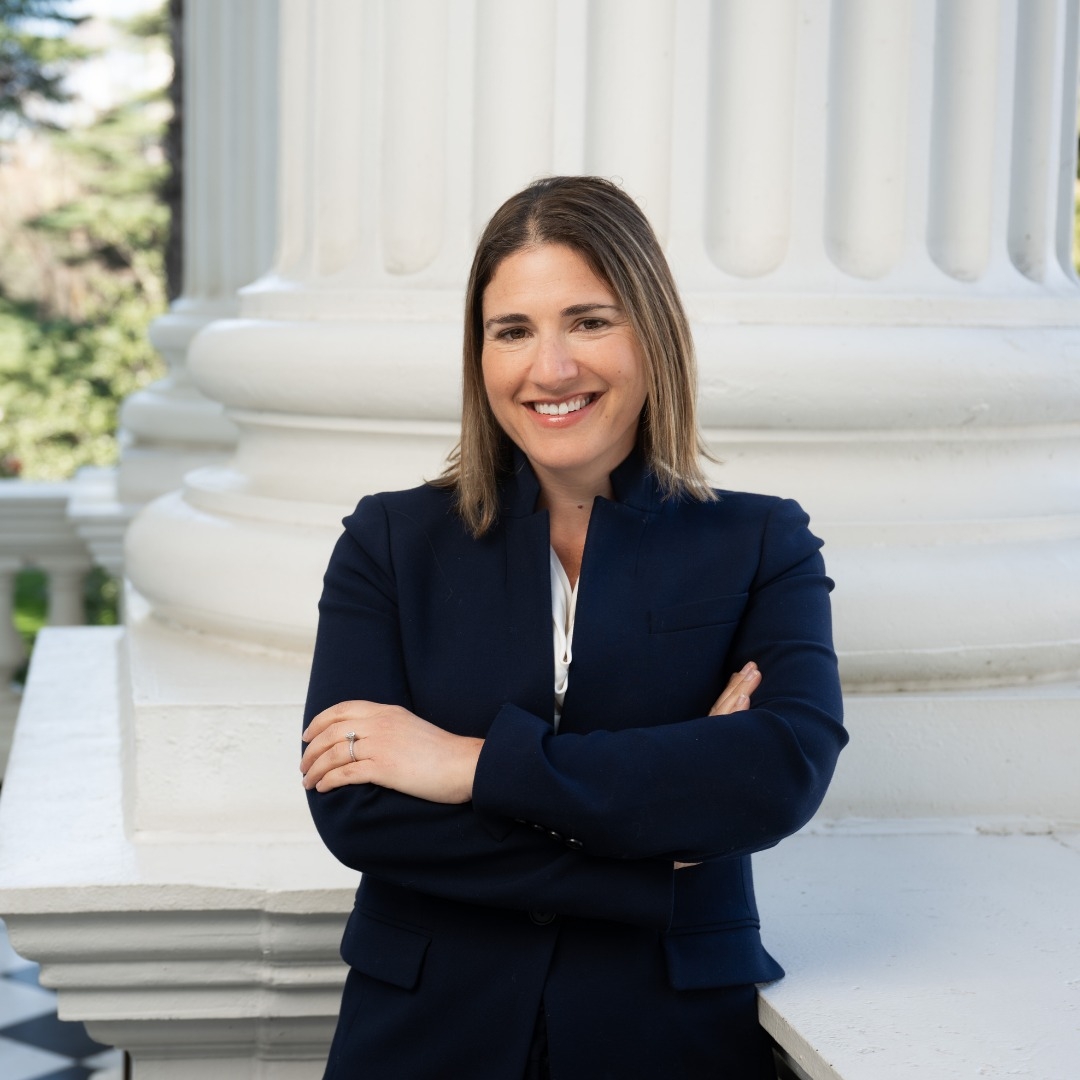
Anna Caballero
Anna Caballero Senate · District 14
D
Strong +
92% 732
Joaquin Arambula
Joaquin Arambula House · District 31
D
Strong +
92% 528
Celeste Rodriguez
Celeste Rodriguez House · District 43
D
Strong +
91% 364
Rebecca Bauer-Kahan
Rebecca Bauer-Kahan House · District 16
D
Strong +
91% 467
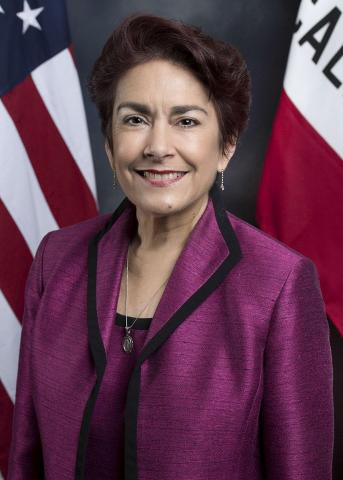
Aisha Wahab
Aisha Wahab Senate · District 10
D
Strong +
90% 765
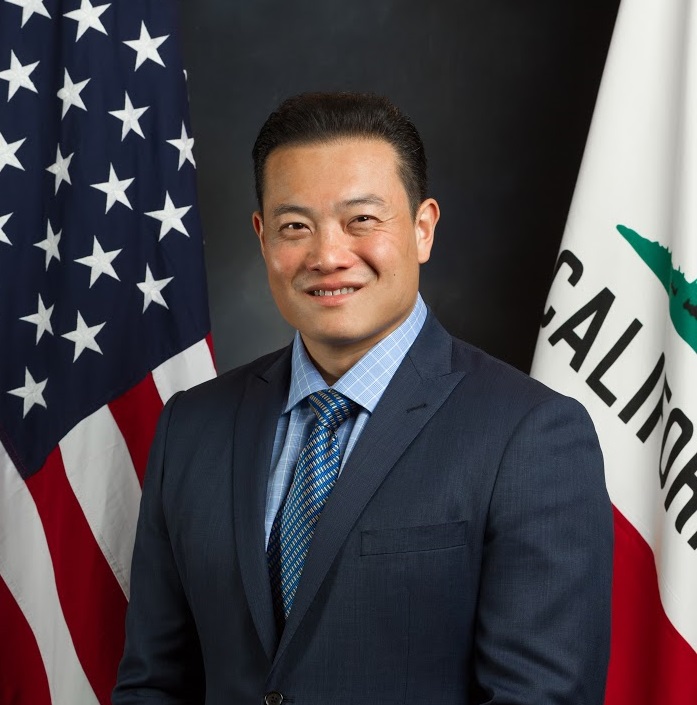
Phillip Chen
Phillip Chen House · District 59
R
Strong −
8% 316
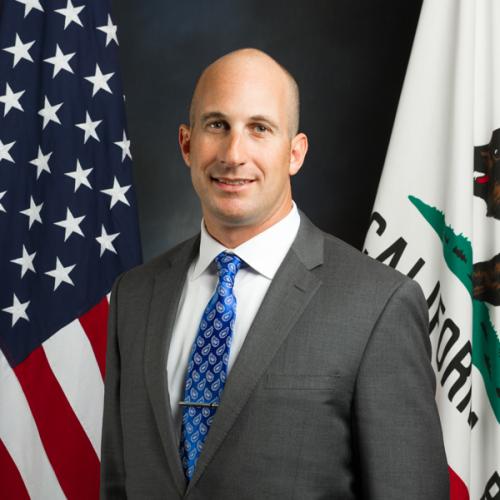
Heath Flora
Heath Flora House · District 9
R
Strong −
11% 275
Brian Jones
Brian Jones Senate · District 40
R
Strong −
11% 398
Carl DeMaio
Carl DeMaio House · District 75
R
Strong −
12% 468
Ali Macedo
Ali Macedo House · District 33
R
Strong −
12% 532
Showing 71–80 of 310 bills

All criminal justice bills

passed · California · Senate Aug 20, 2026

SB 1395: Criminal procedure: protective orders.

Existing law allows the court to issue a protective order restraining a defendant from any contact with the victim if the defendant has been convicted of a crime of domestic violence, human trafficking, a crime in furtherance of a criminal street gang, or a registerable sex offense. Under existing law, the protective order may be valid for up to 10 years, as determined by the court. Beginning July 1, 2027, this bill would additionally allow the court to issue a protective order, valid for up to the later of 10 years or until the minor victim reaches 18 years of age, restraining a defendant from any contact with a victim if the defendant has been convicted of a registerable sex offense involving a minor victim, as specified. The bill would require the Judicial Council, no later than July 1, 2027, to develop forms, instructions, and rules relating to these orders. The bill would make other conforming changes. By authorizing the issuance of protective orders in certain circumstances and the extension of certain protective orders, a violation of which is punishable as a crime, this bill would impose a state-mandated local program. The California Constitution requires the state to reimburse local agencies and school districts for certain costs mandated by the state. Statutory provisions establish procedures for making that reimbursement. This bill would provide that no reimbursement is required by this act for a specified reason.
passed both · California · Senate Aug 30, 2026

SB 1078: Gift certificates: cash redemption.

Existing law, commencing April 1, 2026, makes a gift certificate with a cash value of less than $15 redeemable in cash for its cash value. This bill would authorize the issuer of a gift certificate that contains printed language on the certificate stating a cash redemption threshold that is lower than the amount described above to sell the gift certificate until December 31, 2028, if certain requirements are met, including that the gift certificate was manufactured or printed before April 1, 2026, and the issuer of the gift certificate displays at specified point-of-sale devices, a notice stating that a gift certificate with a cash value of less than $15 is redeemable in cash for its cash value, as provided.
Sub-Topics Civil Rights Courts
in committee · California · Senate May 14, 2026

SB 1210: Gang databases.

Existing law, the California Street Terrorism Enforcement and Prevention Act (act) , provides specified punishments for certain crimes committed for the benefit of, at the direction of, or in association with a criminal street gang, as specified. The act defines a "shared gang database" as a database accessed by a law enforcement agency that designates a person as a gang member or associate, or includes or points to information, including, but not limited to, fact-based or uncorroborated information, that reflects a designation of that person as a gang member or associate that is accessed by an agency or person outside of the agency that created the records that populate the database. Existing law requires the Department of Justice to regulate and oversee any shared gang databases in which California law enforcement agencies, participate, as specified. This bill would remove the term "shared gang database" and make the provisions under the act applicable to all gang databases, regardless of whether a gang database is accessed by an agency or person outside of the agency that created the database. The bill would make specified regulations applicable to all gang databases beginning on January 1, 2027.
Sub-Topics Law Enforcement
failed · California · Assembly Apr 21, 2026

AB 1686: Vehicles: driving under the influence: felonies.

Under existing law, it is unlawful to drive a motor vehicle while under the influence (DUI) of alcohol or 0.08% or more, by weight, of alcohol in one's blood. A first violation of this prohibition is punishable as a misdemeanor. Under existing law, if a person is convicted of a DUI violation and the offense occurs within 10 years of one or 2 separate DUI violations that resulted in specified convictions, the offense is also punishable as a misdemeanor, as specified, with escalating fines, suspensions, and other sanctions. Under existing law, if a person is convicted of a DUI violation and the offense occurs within 10 years of 3 or more separate DUI violations that resulted in specified convictions, the offense is punishable either as a misdemeanor or as a felony. This bill would make a conviction of a DUI violation with the offense occurring within 10 years of one or 2 separate DUI violations that resulted in specified convictions also punishable either as a misdemeanor or as a felony. By increasing the punishment for a crime, the bill imposes a state-mandated local program. The California Constitution requires the state to reimburse local agencies and school districts for certain costs mandated by the state. Statutory provisions establish procedures for making that reimbursement. This bill would provide that no reimbursement is required by this act for a specified reason.
Sub-Topics Traffic Safety
passed both · California · Assembly Aug 28, 2026

AB 1705: Pornographic internet websites.

Existing law generally regulates obscene content on internet websites, including requiring a social media platform to provide a means for a user who is a California resident to report material to the social media platform that the user reasonably believes is child sexual abuse material and prohibiting an operator of an internet website directed to minors from advertising obscene matter to minors. Under existing law, a person who distributes an image of an intimate body part or act of sexual intercourse of an identifiable person, under specified circumstances that include an agreement or understanding that the image would remain private, is guilty of a crime. This bill would require an operator of a pornographic internet website, among other things, to exercise ordinary care and reasonable diligence to ensure that each instance of sexually explicit content displayed on the operator's pornographic internet website does not include a depicted individual. The bill would define terms, including "depicted individual" for its purposes. This bill would also require an operator to exercise ordinary care and take reasonable steps to ensure that each instance of sexually explicit content uploaded to the operator's pornographic internet website does not include a depicted individual. The bill would require a user of a pornographic internet website, before uploading sexually explicit content, to submit specific information to the operator, including a statement certifying, under penalty of perjury, that each individual depicted in the sexually explicit content meets certain criteria. Under the bill, knowingly providing false information in the user statement would be punishable as an infraction with a specified fine. By expanding the crime of perjury and creating a new crime, this bill would impose a state-mandated local program. This bill would authorize a depicted individual and a public prosecutor to bring a civil action to enforce these provisions, as prescribed. This bill would exclude sexually explicit content transmitted on an online dating service through a private messaging or direct-communication feature from its provisions, as specified. The California Constitution requires the state to reimburse local agencies and school districts for certain costs mandated by the state. Statutory provisions establish procedures for making that reimbursement. This bill would provide that no reimbursement is required by this act for a specified reason.
Sub-Topics Social Media
passed · California · Assembly Aug 24, 2026

AB 2384: Crimes: records: sealing.

Existing law allows a person who was arrested or convicted of a nonviolent offense while they were a victim of human trafficking to petition the court, under penalty of perjury, for vacatur relief. Existing law requires a court that issues an order for relief pursuant to these provisions to also order specified law enforcement agencies to seal and destroy their records of the offense. This bill would authorize a person who has suffered an arrest for, or was charged with, any offense that did not result in conviction or who was convicted of an eligible offense, as defined, to petition the court to have their records of that conviction, charge, or arrest sealed if 4 years have elapsed since the date, including, among others, on which the person was arrested, as specified, or on which the defendant completed any terms of incarceration, probation, mandatory supervision, postrelease community supervision, or parole associated with the record, whichever was later, during which the person has not been convicted of a new offense. The bill would require a court granting this relief to also order specified law enforcement agencies to seal their records. By increasing duties on local law enforcement, this bill would impose a state-mandated local program. The bill would exclude specified offenses from being considered an eligible offense, including, among others, a serious or violent felony, or a sex offense. The bill would authorize a criminal justice agency to access and use a conviction record sealed pursuant to these provisions as required by an initiative statute and for the limited purpose of determining eligibility and suitability of a defendant for diversion. The California Constitution requires the state to reimburse local agencies and school districts for certain costs mandated by the state. Statutory provisions establish procedures for making that reimbursement. This bill would provide that, if the Commission on State Mandates determines that the bill contains costs mandated by the state, reimbursement for those costs shall be made pursuant to the statutory provisions noted above.
signed · California · Assembly Aug 20, 2026

ACR 159: Relative to indigent defense.

This measure would affirm the fundamental importance of indigent defense to due process, equal justice, and democratic governance, recognize public defenders as essential protectors of constitutional rights and the rule of law, and encourage the development of statewide approaches to indigent defense.
Sub-Topics Judges
passed · California · Senate Aug 28, 2026

SB 1148: Security guards: training.

Existing law, the Private Security Services Act, provides for the licensure and regulation of, among others, security guards by the Bureau of Security and Investigative Services. Existing law requires a security guard registrant to complete not less than 32 hours of training in security officer skills within 6 months from the date an initial registration is issued and requires a security guard registrant to complete 16 of the 32 hours within 30 days from the date the registration is issued, except as specified. Existing law requires a security guard registrant to complete a course in the exercise of the power to arrest and the appropriate use of force as a condition for registration issuance. This bill would, notwithstanding those provisions, allow a registrant who has completed a course in the exercise of the power to arrest and the appropriate use of force to complete the training in security officer skills before registration is issued. Existing law, the Proprietary Security Services Act, provides for the registration and regulation of proprietary private security officers by the Department of Consumer Affairs. Existing law requires a proprietary private security officer registrant to complete a training in security officer skills within 6 months from the date of registration issuance, or within 6 months of employment by a proprietary private security employer. Existing law requires the department to develop and establish a standard course and curriculum, including the minimum hours of instruction, for the security officer skills training. This bill would, notwithstanding those provisions, allow a registrant who has completed a course in the exercise of the power to arrest and the appropriate use of force to complete the training in security officer skills before registration is issued. This bill would incorporate additional changes to Sections 7574.18 and 7583.6 of the Business and Professions Code proposed by SB 1203 to be operative only if this bill and SB 1203 are enacted and this bill is enacted last.
passed both · California · Assembly Aug 26, 2026

AB 1806: Department of Justice.

Existing law requires law enforcement agencies to report to the Department of Justice, as specified, any incident in which a peace officer is involved in a shooting or use of force that results in death or serious bodily injury. Existing law requires the state prosecutor to investigate incidents involving a shooting by a peace officer resulting in the death of an unarmed civilian. Existing law authorizes the state prosecutor to criminally prosecute any officer that, pursuant to an investigation, is found to have violated state law. Existing law provides that the Attorney General is the state prosecutor unless otherwise specified or named. This bill would require the state prosecutor to conduct an independent, transparent, and thorough investigation into incidents of an immigration enforcement officer-involved shooting resulting in the death of an unarmed civilian. The bill would authorize the state prosecutor to criminally prosecute an immigration enforcement officer that, pursuant to an investigation, is found to have violated state law. The bill would require the state prosecutor to post and maintain on a public internet website each written report, as specified. The bill provides that the Attorney General is the state prosecutor unless otherwise specified or named. This bill would provide that the provisions of this bill are severable.
passed both · California · Assembly Aug 28, 2026

AB 2310: Illegal dumping.

Existing law makes it unlawful to dump waste matter in certain locations, such as upon a public or private highway or road, upon private property without the consent of the owner, or in or upon a public park or other public property, as specified. Existing law also makes it unlawful to place, deposit, or dump rocks, concrete, asphalt, or dirt in certain locations, as specified. A person violating these provisions is guilty of an infraction, as specified. Existing law makes a violation of these provisions in commercial quantities, as defined, a misdemeanor punishable by imprisonment in a county jail and by a fine, as specified. Under existing law, a private owner is not restricted in the use of their own private property, unless the placing, depositing, or dumping of the waste matter on the property creates a public health and safety hazard, a public nuisance, or a fire hazard, as determined by a local health or fire department or the Department of Forestry and Fire Protection. This bill would make it a crime to transport waste matter, rocks, concrete, asphalt, dirt, or other construction debris for the purpose of placing, depositing, or dumping it in the locations described above. The bill would increase the maximum fine to $5000 for violating these provisions a 4th or subsequent time. The bill would also make it unlawful to transport for the purpose of placing, depositing, or dumping waste matter, rocks, concrete, asphalt, dirt or other construction debris in commercial quantities, as defined, in the locations described above. The bill would specify that the fact that a person is operating a vehicle with actual or apparent rocks, concrete, asphalt, dirt, or other construction debris in their vehicle does not in itself constitute reasonable suspicion to stop or detain the person, or probable cause to arrest the person. For a person who violates these provisions in commercial quantities in excess of 25 cubic yards, the bill would make that violation a misdemeanor punishable in a county jail for not more than one year and by a fine, as specified. For commercial quantities in excess of 50 cubic yards, the bill would make a violation punishable as a misdemeanor or a felony, as specified. By expanding the application of a crime and creating new crimes, this bill would impose a state-mandated local program. The bill would specify that a private owner or a person with the owner's permission is prohibited from placing, depositing, dumping, or transporting waste matter, rocks, concrete, asphalt, dirt, or construction debris on their property if the activity requires a permit or license from a state or local agency and one was not obtained, or creates a public health and safety hazard, a public nuisance, or a fire hazard, as determined by specified entities. The bill would prohibit a person from being charged with dumping commercial quantities under these provisions if it was completed during the course of the person's employment and at the direction of their employer, as specified. The California Constitution requires the state to reimburse local agencies and school districts for certain costs mandated by the state. Statutory provisions establish procedures for making that reimbursement. This bill would provide that no reimbursement is required by this act for a specified reason.
Sub-Topics Roads & Highways
Showing 71 to 80 of 310 bills
Previous 1 7 8 9 31 Next