Issue · Criminal Justice

Criminal Justice (Law Enforcement)

Every criminal justice bill, vote, and legislator stance in California, automatically classified by Maddy, our AI policy reader.

Total bills
64
2025-2026 Regular Session
Top supporter
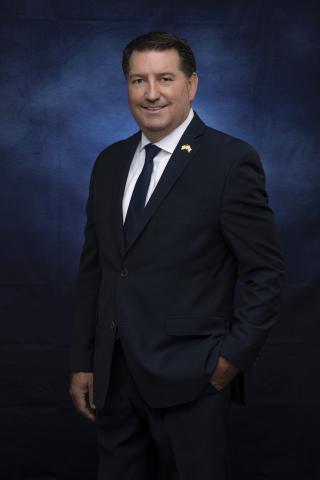
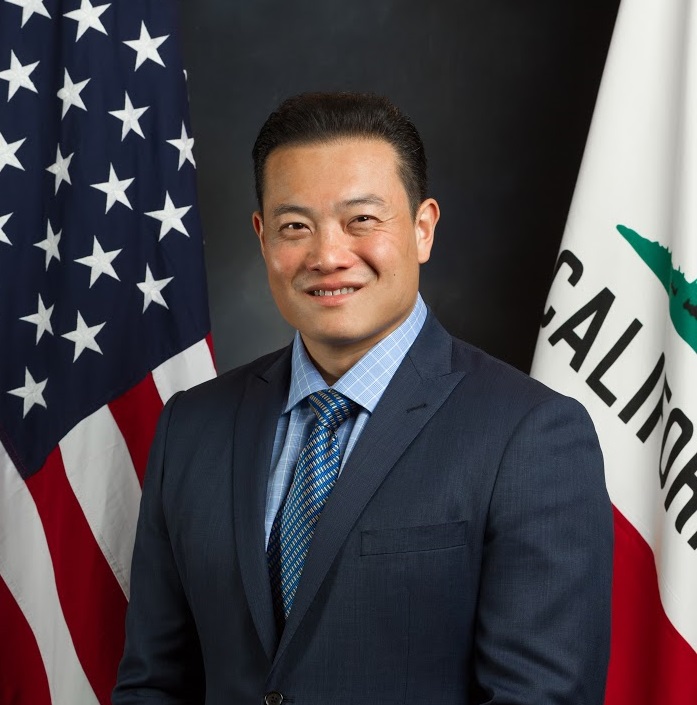
Tim Grayson
100% support rate
Top opponent
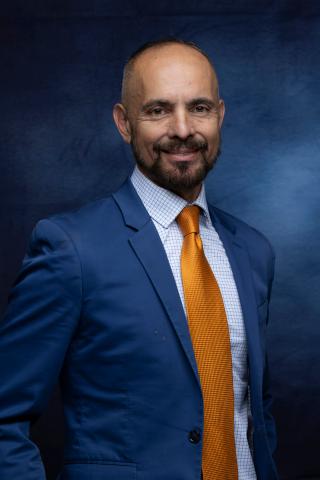
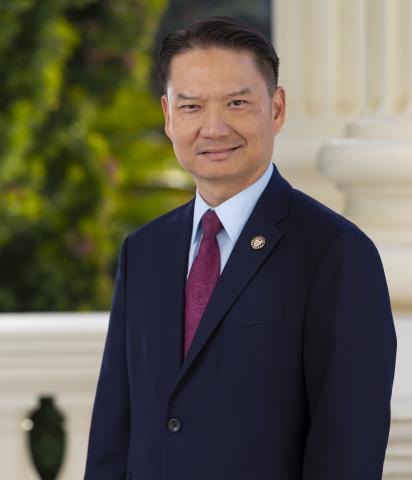
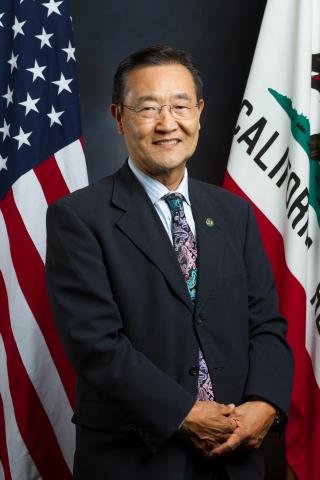
Tri Ta
0% support rate
Ranked legislators
10
5 support · 5 oppose
Key legislators

Who's moving law enforcement in California

Legislators moving law enforcement in California
Legislator Party Stance Support rate Decisive votes
Tim Grayson
Tim Grayson Senate · District 9
D
Strong +
100% 26
Christopher Cabaldon
Christopher Cabaldon Senate · District 3
D
Strong +
100% 25
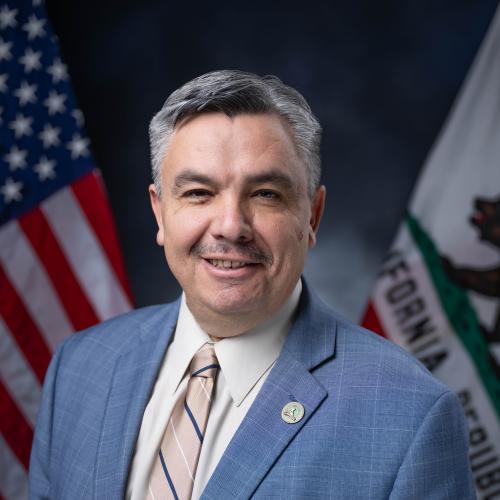
Joaquin Arambula
Joaquin Arambula House · District 31
D
Strong +
100% 24
Juan Carrillo
Juan Carrillo House · District 39
D
Strong +
100% 21
María Elena Durazo
María Elena Durazo Senate · District 26
D
Strong +
100% 20
Tri Ta
Tri Ta House · District 70
R
Strong −
0% 27
Phillip Chen
Phillip Chen House · District 59
R
Strong −
0% 19
Steve Choi
Steve Choi Senate · District 37
R
Strong −
0% 19
Suzette Valladares
Suzette Valladares Senate · District 23
R
Strong −
0% 14
Megan Dahle
Megan Dahle Senate · District 1
R
Strong −
4% 25
Showing 61–64 of 64 bills

All criminal justice bills

failed · California · Assembly Feb 2, 2026

AB 1013: Peace officer training: behavioral health.

Existing law requires the Commission on Peace Officer Standards and Training to establish and keep updated a classroom-based continuing training course that includes instructor-led active learning, such as scenario-based training, relating to behavioral health and law enforcement interaction with persons with mental illness, intellectual disability, and substance use disorders. Existing law requires the commission to make available the course to each law enforcement officer with a rank of supervisor or below and who is assigned to patrol duties or to supervise officers who are assigned to patrol duties. This bill would authorize the commission to partner with local departments of behavioral health, community-based organizations, or nonprofit organizations to establish and keep updated this classroom-based continuing training course. The bill would require a law enforcement officer with a rank of supervisor or below and who is assigned to patrol duties or to supervise officers who are assigned to patrol duties to complete the course. By imposing additional training costs on local law enforcement agencies, this bill would impose a state-mandated local program. The California Constitution requires the state to reimburse local agencies and school districts for certain costs mandated by the state. Statutory provisions establish procedures for making that reimbursement. This bill would provide that, if the Commission on State Mandates determines that the bill contains costs mandated by the state, reimbursement for those costs shall be made pursuant to the statutory provisions noted above.
Sub-Topics Law Enforcement
signed · California · Assembly Oct 13, 2025

AB 572: Criminal procedure: interrogations.

Existing law prohibits the prosecuting attorney, attorney for the defendant, or investigator for either the prosecution or the defendant from interviewing, questioning, or speaking to a victim or witness whose name has been disclosed pursuant to existing law without first clearly identifying themselves and identifying the full name of the agency by whom they are employed, and identifying whether they represent, or have been retained by, the prosecution or the defendant. Under existing law, if an interview takes place in person, the party is also required to show the victim or witness a business card, official badge, or other form of official identification before commencing the interview or questioning. This bill would require a peace officer, as defined, or a prosecuting attorney, before any initial formal interview of an immediate family member of a person who has been killed or seriously injured by a peace officer, to clearly identify themselves and if the interview takes place in person, to show identification, to inform the person of the status of their family member, to inform the person that they are conducting a formal interview for the purposes of an investigation, as specified, and to inform the person that they have a choice to come to the station for the formal interview if they are asked to go and can have a trusted support person with them. The bill would provide that its provisions do not apply if the immediate family member is under custodial interrogation, as specified, or if the delay would result in the loss or destruction of evidence or pose an imminent threat to public safety. By increasing duties on local law enforcement, this bill would impose a state-mandated local program. The California Constitution requires the state to reimburse local agencies and school districts for certain costs mandated by the state. Statutory provisions establish procedures for making that reimbursement. This bill would provide that, if the Commission on State Mandates determines that the bill contains costs mandated by the state, reimbursement for those costs shall be made pursuant to the statutory provisions noted above.
Sub-Topics Law Enforcement
signed · California · Senate Oct 10, 2025

SB 524: Law enforcement agencies: artificial intelligence.

Existing law generally provides for the regulation of law enforcement agencies, including, among other things, requiring each local law enforcement agency to conspicuously post on their internet websites all current standards, policies, practices, operating procedures, and education and training materials that would otherwise be available to the public under specified circumstances. This bill would require each law enforcement agency to maintain a policy to require an official report prepared by a law enforcement officer or any member of a law enforcement agency that is generated using artificial intelligence either fully or partially to include specified information, including a disclosure statement and the signature of the law enforcement officer or member of a law enforcement agency who prepared the official report, as specified. If an officer or any member of an agency uses artificial intelligence to create an official report, the bill would require the first draft created to be retained for as long as the official report is retained. The bill would, except for the official report, prohibit a draft of any report created with the use of artificial intelligence from constituting an officer's statement. The bill would require an agency utilizing artificial intelligence to generate a first draft or official report to maintain an audit trail that identifies, at a minimum, certain things, including the person who used artificial intelligence to create a report. The bill would prohibit a contracted vendor from sharing, selling, or otherwise using information provided by a law enforcement agency to be processed by artificial intelligence, except as provided. The bill would define terms for purposes of these provisions. By requiring local law enforcement agencies to adopt a new policy, this bill would impose a state-mandated local program. The California Constitution requires the state to reimburse local agencies and school districts for certain costs mandated by the state. Statutory provisions establish procedures for making that reimbursement. This bill would provide that, if the Commission on State Mandates determines that the bill contains costs mandated by the state, reimbursement for those costs shall be made pursuant to the statutory provisions noted above.
signed · California · Assembly Oct 13, 2025

AB 451: Law enforcement policies: restraining orders.

Existing law requires law enforcement agencies to maintain policies on specified subjects, including, among others, the use of force, gun violence restraining orders, and responding to domestic violence calls. This bill would require each municipal police department and county sheriff's department, the Department of the California Highway Patrol, and the University of California and California State University Police Departments to, on or before January 1, 2027, develop, adopt, and implement written policies and standards to promote safe, consistent, and effective service, implementation, and enforcement of court protection and restraining orders that include firearm access restrictions. The bill would require these policies and standards to, among other things, provide a standard agency process for law enforcement to serve an order against a restrained person in a timely manner and ensure the agency consistently complies with specified requirements under California law governing service of protection and restraining orders. By expanding the duties of local law enforcement, this bill would impose a state-mandated local program. The California Constitution requires the state to reimburse local agencies and school districts for certain costs mandated by the state. Statutory provisions establish procedures for making that reimbursement. This bill would provide that, if the Commission on State Mandates determines that the bill contains costs mandated by the state, reimbursement for those costs shall be made pursuant to the statutory provisions noted above.
Showing 61 to 64 of 64 bills
Previous 1 … 5 6 7