Issue · Criminal Justice

Criminal Justice

Every criminal justice bill, vote, and legislator stance in California, automatically classified by Maddy, our AI policy reader.

Total bills
310
2025-2026 Regular Session
Top supporter
Anna Caballero
92% support rate
Top opponent
Phillip Chen
8% support rate
Ranked legislators
10
5 support · 5 oppose
Key legislators

Who's moving criminal justice in California

Legislators moving criminal justice in California
Legislator Party Stance Support rate Votes
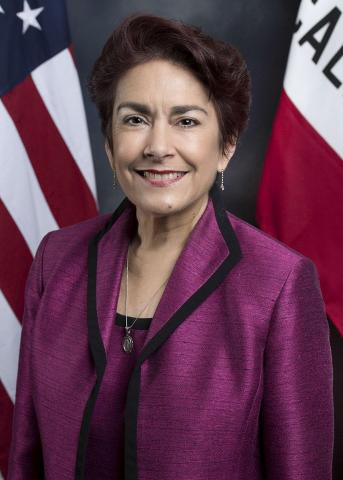
Anna Caballero
Anna Caballero Senate · District 14
D
Strong +
92% 732
Joaquin Arambula
Joaquin Arambula House · District 31
D
Strong +
92% 528
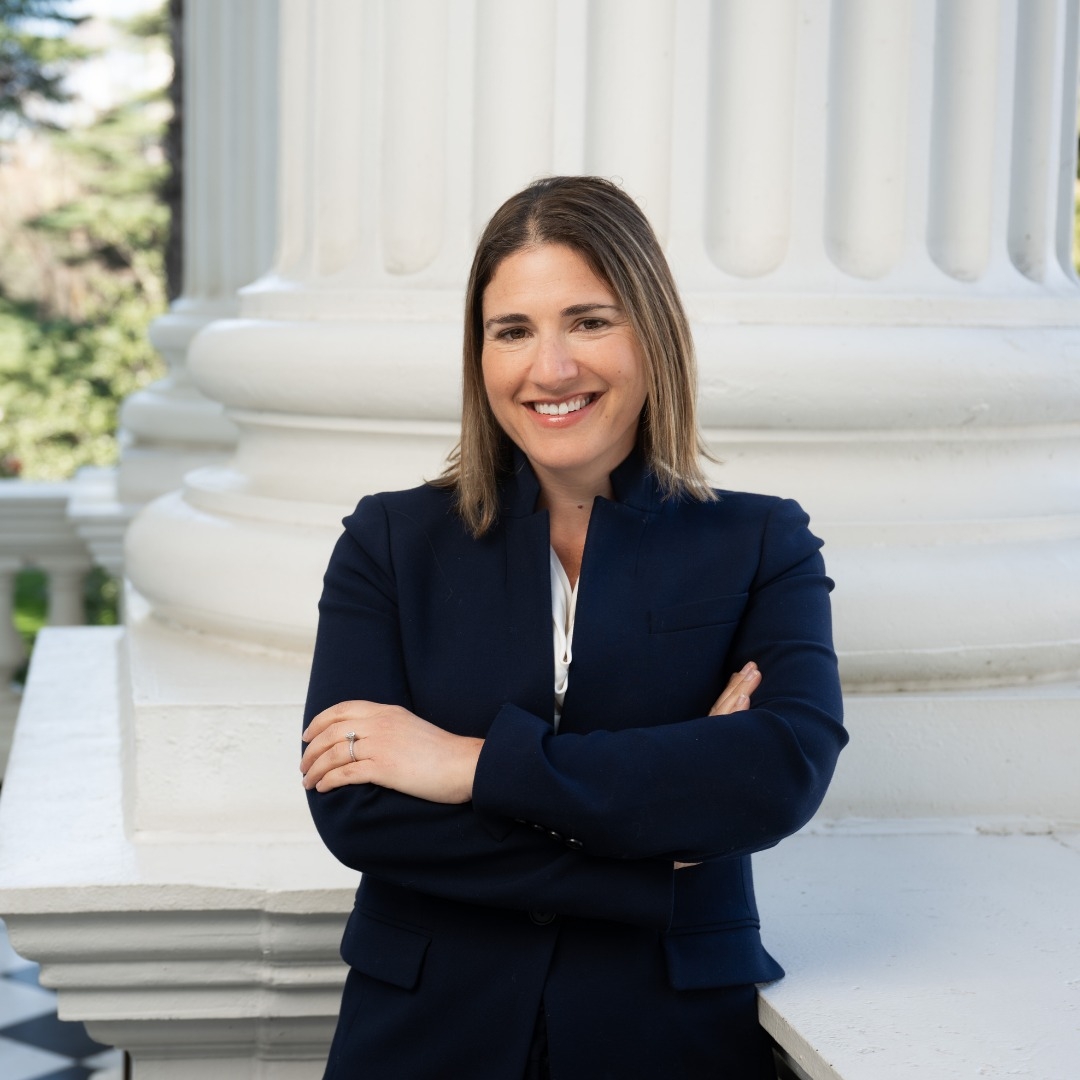
Celeste Rodriguez
Celeste Rodriguez House · District 43
D
Strong +
91% 364
Rebecca Bauer-Kahan
Rebecca Bauer-Kahan House · District 16
D
Strong +
91% 467
Aisha Wahab
Aisha Wahab Senate · District 10
D
Strong +
90% 765
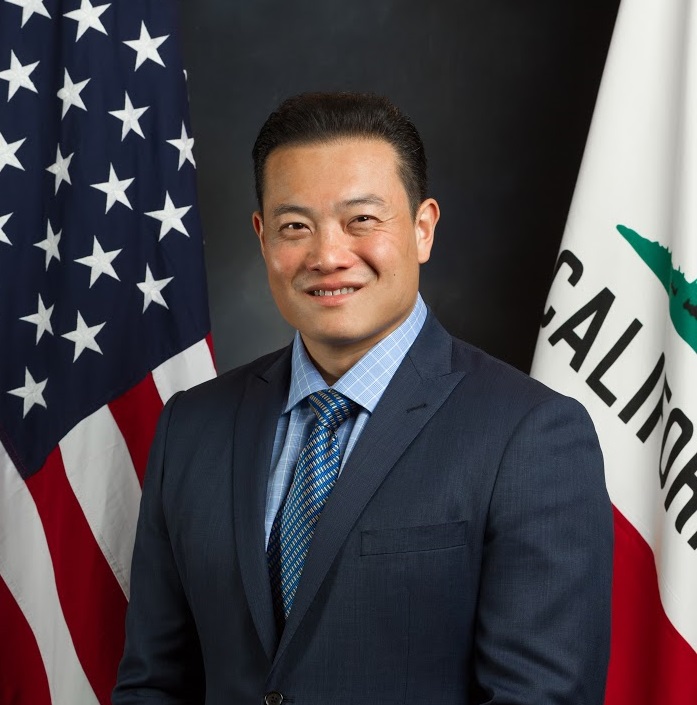
Phillip Chen
Phillip Chen House · District 59
R
Strong −
8% 316
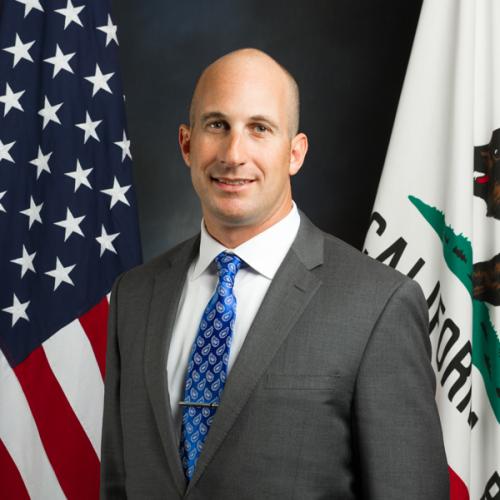
Heath Flora
Heath Flora House · District 9
R
Strong −
11% 275
Brian Jones
Brian Jones Senate · District 40
R
Strong −
11% 398
Carl DeMaio
Carl DeMaio House · District 75
R
Strong −
12% 468
Ali Macedo
Ali Macedo House · District 33
R
Strong −
12% 532
Showing 231–240 of 310 bills

All criminal justice bills

passed both · California · Senate Aug 27, 2026

SB 758: Public health: nitrous oxide.

(1) Existing law, the Cigarette and Tobacco Products Licensing Act of 2003, requires a retailer, as defined, to hold a license from the California Department of Tax and Fee Administration to engage in the sale of cigarettes or tobacco products. A violation of these provisions is a misdemeanor. This bill would expand those provisions to prohibit a retailer from selling nitrous oxide in any retail location, subject to certain exceptions. The bill would authorize a city or county or city and county to adopt an ordinance imposing greater restrictions on the retail sale of nitrous oxide provided the ordinance does not restrict legitimate uses, as specified. (2) By expanding the definition of an existing crime, this bill would impose a state-mandated local program. The California Constitution requires the state to reimburse local agencies and school districts for certain costs mandated by the state. Statutory provisions establish procedures for making that reimbursement. This bill would provide that no reimbursement is required by this act for a specified reason.
failed · California · Assembly Feb 2, 2026

AB 1115: Peace officers: mental health liaisons.

The California Constitution authorizes local governments to make and enforce all police and sanitary ordinances and regulations within its limits that are not in conflict with general laws. Existing law requires the board of supervisors of a county and the governing body of a city to take measures necessary to preserve and protect the public health in its jurisdiction. This bill would authorize a local government to designate one or more existing employees specializing in counseling or mental health services as a law enforcement mental health liaison to facilitate mental health support for peace officers who serve the local jurisdiction. The bill would make related findings and declarations.
failed · California · Assembly Feb 2, 2026

AB 1333: Crimes: homicide.

Existing law defines homicide as the unlawful killing of a human being, or a fetus, with or without malice aforethought, as specified. Existing law establishes certain circumstances in which homicide is justifiable, as specified. Existing law makes homicide justifiable when attempting to lawfully suppress a riot or to keep the peace, as specified. This bill would eliminate that provision. The bill would also specify certain circumstances in which homicide is not justifiable, including when a person was outside their habitation or property and did not retreat when they could have safely done so, when a person used more force than a reasonable person would to defend against a danger, and when the person was the initial aggressor. However, the bill would specify that homicide is justifiable if the initial aggressor actually and in good faith tried to stop fighting and indicated they wanted to and tried to stop fighting, as specified, or, in cases of mutual combat, the initial aggressor gave the opponent an opportunity to stop fighting. By expanding the scope of the crime of homicide, this bill would create a state-mandated local program. The California Constitution requires the state to reimburse local agencies and school districts for certain costs mandated by the state. Statutory provisions establish procedures for making that reimbursement. This bill would provide that no reimbursement is required by this act for a specified reason.
Sub-Topics Violent Crime
failed · California · Assembly Feb 2, 2026

AB 1490: Inmate release: notice to victims.

Existing law requires the Department of Corrections and Rehabilitation, county sheriff, or director of the local department of corrections to give notice not less than 15 days prior to the release from the state prison or a county jail of any person who is convicted of specified crimes, including a felony offense involving domestic violence, or of any change in the parole status or relevant change in the parole location of the convicted person or if the convicted person absconds from supervision while on parole, to any person the court identifies as a victim of the offense, a family member of the victim, or a witness to the offense. This bill would require notice not less than 20 days prior to the release instead of 15 days.
passed both · California · Senate Aug 27, 2026

SB 490: Alcohol and drug programs.

Existing law provides for the licensure and regulation of adult alcohol or other drug recovery or treatment facilities by the State Department of Public Health and prohibits the operation of one of those facilities without a current valid license. Existing law requires the department, if a facility is alleged to be in violation of that prohibition, to conduct a site visit to investigate the allegation. Existing law requires, if the department's employee or agent finds evidence that the facility is providing services without a license, the employee or agent to take specified actions, including, among others, submitting the findings of the investigation to the department and issuing a written notice to the facility that includes the date by which the facility is required to cease providing services. Existing law establishes the Medi-Cal program, which is administered by the State Department of Health Care Services and under which qualified low-income individuals receive health care services, through fee-for-service or managed care delivery systems. The Medi-Cal program is, in part, governed and funded by federal Medicaid program provisions. Existing law establishes the Drug Medi-Cal Treatment Program (Drug Medi-Cal) and authorizes the department to enter into a Drug Medi-Cal contract with each county for the provision of alcohol and drug use services within the county service area. This bill would require the department, if it determines it has jurisdiction over the allegation, to assign the complaint to an analyst within 10 days of receiving the allegation and, except as specified, complete the investigation within 120 days of assigning the complaint. The bill would require the department, if it receives a complaint that does not fall under its jurisdiction, to notify, to the extent feasible, the complainant that it does not investigate that type of complaint. The bill would require the employee or agent to provide their findings to the department and would require the department to issue the notice described above within 10 days of the employee or agency submitting their findings and to conduct a followup site visit to determine whether the facility has ceased providing services as required. The bill would authorize, in counties that elect to administer the Drug Medi-Cal organized delivery system and that provide optional recovery housing services, the county behavioral health agency to request approval from the department to conduct a site visit of a recovery residence that the county contracts with that is alleged to be operating without a license. The bill would permit the department to approve that request in certain circumstances, including that the department has sufficient evidence to substantiate the allegation. Existing law requires licensed adult alcohol or other drug recovery or treatment facilities and certified alcohol or other drug programs to disclose to the department whether any of its agents, partners, directors, officers, or owners has a specified interest in a recovery residence and requires the department to take action against an unlicensed facility that is disclosed as a recovery residence. This bill would require the department, if it takes action against a recovery residence pursuant to that provision, to conduct a site visit of a certified program or licensed facility that has disclosed the specified interest in the recovery residence. The bill would also require, no later than July 15, 2027, and by July 15 each year thereafter, that all programs certified or facilities licensed by the department submit to the department a report of all money transfers between the program or facility and a recovery residence during the previous fiscal year, in order to detect patient brokering, illicit kickbacks, or unethical inducements that harm patients. The bill would require the department to analyze that data and develop guidelines for permissible and impermissible transfers.
failed · California · Assembly Feb 2, 2026

AB 991: Sentencing: dismissal of enhancements.

Existing law generally authorizes a court to dismiss an action in the furtherance of justice. Existing law requires a court to dismiss an enhancement if it is in the furtherance of justice to do so, except if dismissal of that enhancement is prohibited by any initiative statute. This bill would make the provision relating to the dismissal of enhancements inapplicable to firearms-related enhancements, but would allow the court to dismiss these firearm-related enhancements pursuant to the court's general authority to dismiss an action, as specified.
Sub-Topics Firearms Sentencing
failed · California · Assembly Feb 2, 2026

AB 1019: Enhancing Law Enforcement Activities Subaccount: identification of unidentified human remains.

Existing law requires a certain percentage of funds to be allocated to specified rural and small county sheriffs' departments from funds remaining in the Enhancing Law Enforcement Activities Subaccount in the Local Revenue Fund 2011, as specified. Existing law requires that funds allocated pursuant to these provisions be used to enhance law enforcement efforts in those counties. This bill would specifically authorize a county sheriff's department to use up to 20% of those funds for the identification of unidentified human remains, including using the funds for forensic examination and genealogical research.
Sub-Topics Law Enforcement
failed · California · Assembly Feb 2, 2026

AB 421: Immigration enforcement: prohibitions on access, sharing information, and law enforcement collaboration.

Existing law, the California Values Act, generally prohibits California law enforcement agencies from investigating, interrogating, detaining, detecting, or arresting persons for immigration enforcement purposes. Existing law provides certain limited exceptions to this prohibition, including transfers of persons pursuant to a judicial warrant and providing certain information to federal authorities regarding serious and violent felons in custody. This bill would prohibit California law enforcement agencies from collaborating with, or providing any information in writing, verbally, on in any other manner to, immigration authorities regarding proposed or currently underway immigration enforcement actions when the actions could be or are taking place within a radius of one mile of any childcare or daycare facility, religious institution, place of worship, hospital, or medical office. To the extent this bill would impose additional duties on local law enforcement agencies or officials, the bill would impose a state-mandated local program. The California Constitution requires the state to reimburse local agencies and school districts for certain costs mandated by the state. Statutory provisions establish procedures for making that reimbursement. This bill would provide that, if the Commission on State Mandates determines that the bill contains costs mandated by the state, reimbursement for those costs shall be made pursuant to the statutory provisions noted above. This bill would declare that it is to take effect immediately as an urgency statute.
failed · California · Assembly Feb 2, 2026

AB 3: Alcohol and drug treatment facilities: local regulation.

Existing law declares that it is the policy of the state that each county and city shall permit and encourage the development of sufficient numbers and types of alcoholism or drug abuse recovery or treatment facilities as are commensurate with local need. Existing law requires an alcoholism or drug abuse recovery or treatment facility that serves 6 or fewer persons to be considered a residential use of property for the purposes of local regulation, regardless of whether or not unrelated persons are living together. This bill would exempt an alcoholism or drug abuse recovery or treatment facility from being considered a residential use of property for the purposes of local regulation if multiple single-family dwellings are being used as a licensed or unlicensed alcohol or other drug recovery or treatment facility, they share an owner, a director, programs, or amenities with another facility, and any of the dwellings are within 300 feet of that facility, or if a single-family dwelling being used as an alcohol or other drug recovery or treatment facility shares an owner, a director, programs, or amenities with another facility that is commercially owned, operated, and licensed that is located anywhere in the state.
failed · California · Assembly Feb 2, 2026

AB 1488: Self-defense.

Existing law authorizes a party about to be injured to lawfully resist the commission of a public offense and to use sufficient resistance to prevent the offense. Existing case law provides that, in order to justify an act of self-defense, an individual must have a reasonable belief that the threat is imminent, and limits the right of self-defense to the use of that force that is reasonable under the circumstances. This bill, the Preemptive Self Defense Act of 2025, would clarify that a party who reasonably perceives an imminent threat of bodily harm may make lawful resistance to the commission of a public offense and that the resistance authorized is required to be proportional to the reasonably perceived threat and to cease when the threat is no longer present. The bill would prohibit a party's background, training, and professional fighting skills from being taken into account when determining whether a party has taken reasonable defensive action. Existing law authorizes necessary force to be used to protect from wrongful injury the person or property of oneself, or of a spouse, child, parent, or other relative, or member of one's family, or of a ward, servant, master, or guest. This bill would also specify that there shall not be any civil liability on the part of, and no cause of action shall accrue against, a person who lawfully resists a public offense, as described above.
Showing 231 to 240 of 310 bills
Previous 1 23 24 25 31 Next