Issue · Criminal Justice

Criminal Justice (Drug Policy)

Every criminal justice bill, vote, and legislator stance in California, automatically classified by Maddy, our AI policy reader.

Total bills
22
2025-2026 Regular Session
Top supporter
Melissa Hurtado
100% support rate
Top opponent
Tom Lackey
0% support rate
Ranked legislators
10
5 support · 5 oppose
Key legislators

Who's moving drug policy in California

Legislators moving drug policy in California
Legislator Party Stance Support rate Votes
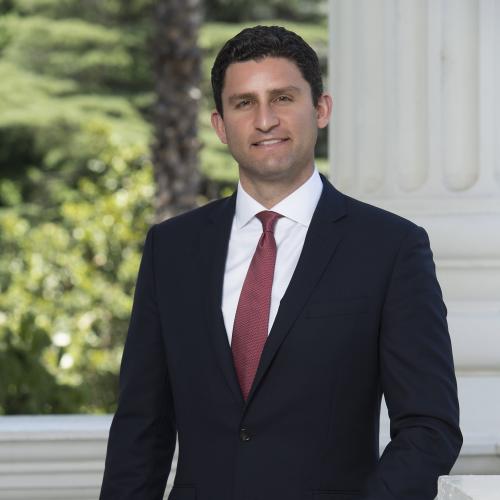
Melissa Hurtado
Melissa Hurtado Senate · District 16
D
Strong +
100% 8
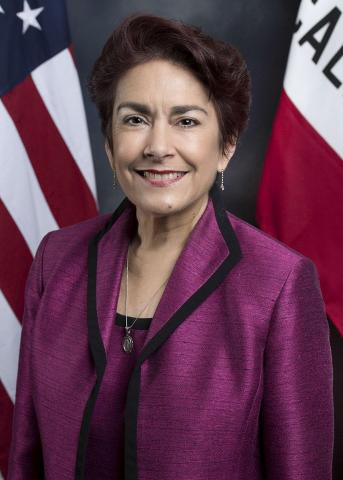
Celeste Rodriguez
Celeste Rodriguez House · District 43
D
Strong +
100% 5
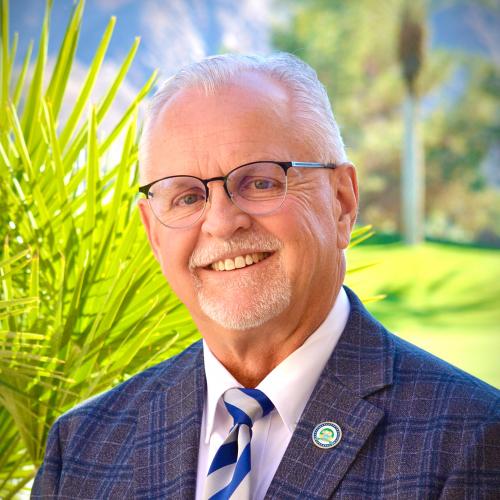
Jasmeet Bains
Jasmeet Bains House · District 35
D
Strong +
100% 5
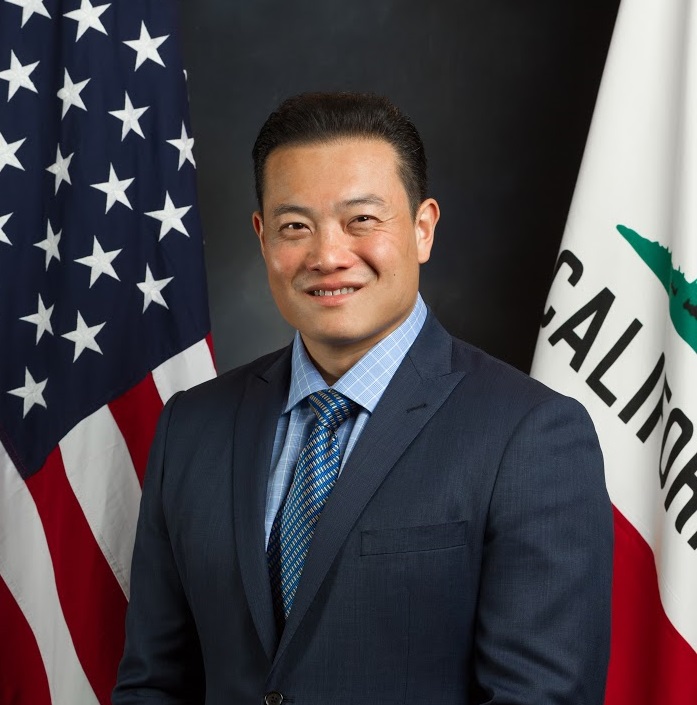
Jesse Gabriel
Jesse Gabriel House · District 46
D
Strong +
100% 5
Anna Caballero
Anna Caballero Senate · District 14
D
Strong +
92% 13
Tom Lackey
Tom Lackey House · District 34
R
Strong −
0% 5
Phillip Chen
Phillip Chen House · District 59
R
Strong −
0% 3
Kelly Seyarto
Kelly Seyarto Senate · District 32
R
Strong −
7% 15
Brian Jones
Brian Jones Senate · District 40
R
Strong −
12% 8
Tony Strickland
Tony Strickland Senate · District 36
R
Strong −
12% 8
Showing 11–20 of 22 bills

All criminal justice bills

signed · California · Assembly Oct 10, 2025

AB 1344: Restrictions on firearm possession: pilot project.

Existing law authorizes a court to issue a gun violence restraining order to prohibit a person from purchasing or possessing a firearm or ammunition for a period of one to 5 years, subject to renewal for additional one- to 5-year periods, if the subject of the petition poses a significant danger of self-harm or harm to another in the near future by having a firearm and the order is necessary to prevent personal injury to the subject of the petition or another. Existing law also allows a gun violence restraining order to be issued on an ex parte basis for up to 21 days. Existing law allows a petition for these gun violence restraining orders to be made by a law enforcement officer, or an immediate family member, employer, coworker, or teacher, as specified, of the subject of the petition. This bill would authorize the Counties of Alameda, El Dorado, Santa Clara, and Ventura to establish, until January 1, 2032, a pilot program to additionally authorize a district attorney to request that the court issue a temporary emergency gun violence restraining order, as specified. The bill would require the district attorney of a county that establishes a pilot program, commencing April 1, 2027, to annually submit specified data to the California Firearm Violence Research Center at UC Davis, and would authorize the center, commencing July 1, 2027, to conduct an evaluation of the pilot program and annually report that evaluation to the Legislature, as specified. The bill would require the district attorney of a county that establishes a pilot program, commencing April 1, 2027, to make the data described above available upon request to the Department of Justice and the Judicial Council. The bill would make related findings and declarations.
failed · California · Assembly May 19, 2025

AB 897: Trespassing: removal of trespassers on residential property.

Existing law establishes a summary proceeding, known as a forcible entry, forcible detainer, or unlawful detainer action, as specified, that a person in lawful possession of real property must follow in order to remove a person who unlawfully occupies that property. This bill, the Remove Illegal Squatters from Private Property Act, would make a person guilty of unlawful squatting when they enter upon the land or premises of another and reside on that land or premises for any period of time, knowingly acting without the knowledge or consent of the owner, rightful occupant, or an authorized representative of the owner. The bill would require a law enforcement agency that receives a complaint of a violation of these provisions to issue a citation and would provide a means for the person to show lawful entry on the land or premises. If court determines that the documentation showing lawful entry is improper or fraudulent, the bill would make the violation punishable by removal, specified fines, and as a misdemeanor. By increasing duties of local law enforcement and creating a crime, this bill would impose a state-mandated local program. The California Constitution requires the state to reimburse local agencies and school districts for certain costs mandated by the state. Statutory provisions establish procedures for making that reimbursement. This bill would provide that, with regard to certain mandates, no reimbursement is required by this act for a specified reason. With regard to any other mandates, this bill would provide that, if the Commission on State Mandates determines that the bill contains costs so mandated by the state, reimbursement for those costs shall be made pursuant to the statutory provisions noted above.
Sub-Topics Drug Policy
passed · California · Assembly Aug 29, 2025

AB 824: Protective orders: firearms and ammunition.

(1) Existing law establishes procedures by which a person may petition the court for certain protective or restraining orders, including civil harassment restraining orders, domestic violence restraining orders, elder or dependent adult abuse restraining orders, gun violence restraining orders, postsecondary school restraining orders, and workplace violence restraining orders, to enjoin a restrained person from taking specified actions. Beginning January 1, 2026, upon a court's issuance of such a protective order, existing law will require the restrained person to relinquish any firearm and ammunition in that person's immediate possession or control, according to specified procedures. Existing law prescribes procedures by which the restrained person must certify compliance with the court, and for the court to determine, by a preponderance of the evidence, whether the person has a firearm in violation of the order. This bill would make clarifying and conforming changes to the procedures relating to the protective or restraining orders described above by explicitly requiring the restrained person to relinquish, in addition to any firearm, any ammunition in that person's immediate possession or control. The bill would require courts to permit a party, support person, or witness to appear remotely at a hearing for a postsecondary educational institution or workplace violence restraining order at no cost. This bill would also require courts to develop rules and instructions for such remote appearances and to post them on its website. (2) Existing law requires a peace officer who is at the scene of a domestic violence incident or enforcing a domestic violence restraining order or gun violence restraining order to take temporary custody of any firearm or other deadly weapon in plain sight or discovered pursuant to a consensual or otherwise lawful search, as specified. This bill would additionally require a peace officer to take temporary custody of any ammunition in plain sight or discovered pursuant to such a search. By expanding the duties of local law enforcement agencies, this bill would impose a state-mandated local program. The California Constitution requires the state to reimburse local agencies and school districts for certain costs mandated by the state. Statutory provisions establish procedures for making that reimbursement. This bill would provide that, if the Commission on State Mandates determines that the bill contains costs mandated by the state, reimbursement for those costs shall be made pursuant to the statutory provisions noted above.
failed · California · Assembly Feb 2, 2026

AB 1218: Copper theft.

Under existing law it is grand theft to steal copper materials valued at more than $950. A violation of this provision is punishable either as a misdemeanor or a felony by imprisonment in county jail and specified fines. This bill would make it a crime to unlawfully possess copper materials, as specified. The bill would define what it means to "unlawfully possess" copper materials to include possessing without documentation proving lawful possession. The bill would prescribe the information that constitutes proof of lawful possession, as specified, including the identity of the seller and the date of the transaction. By expanding the scope of a crime, this bill would impose a state-mandated local program. The bill would also prohibit a person from falsifying any record intending to show proof of lawful possession. By creating a new crime, this bill would impose a state-mandated local program. Existing law prohibits any collector or dealer of metals to purchase certain junk metals, as specified, without first ascertaining that the seller legally possesses the materials. Existing law also requires the dealer to obtain evidence of the identity of the seller, including, but not limited to, the seller's name and address. This bill would require any collector or dealer of metals to ascertain the location from which the purchased material was obtained. Existing law makes it a crime for a person who is engaged in the salvage, recycling, purchase, or sale of scrap metal to possess certain items that have been stolen or obtained by theft or extortion, as specified, and requires that the person knew or reasonably should have known that the property was stolen or failed to report possession of the items, as specified. This bill would additionally prohibit a person who is engaged in the salvage, recycling, purchase, or sale of scrap metal, as specified, from possessing certain items knowing that those items were possessed without proof of lawful possession. The California Constitution requires the state to reimburse local agencies and school districts for certain costs mandated by the state. Statutory provisions establish procedures for making that reimbursement. This bill would provide that no reimbursement is required by this act for a specified reason.
Sub-Topics Drug Policy
signed · California · Senate Jun 27, 2025

SB 141: California Cannabis Tax Fund: Department of Cannabis Control: Board of State and Community Corrections grants.

Existing law, the Control, Regulate and Tax Adult Use of Marijuana Act (AUMA) , an initiative measure, authorizes a person who obtains a state license under AUMA to engage in commercial adult-use cannabis activity pursuant to that license and applicable local ordinances. The Medicinal and Adult-Use Cannabis Regulation and Safety Act (MAUCRSA) , among other things, consolidates the licensure and regulation of commercial medicinal and adult-use cannabis activities. Existing law establishes the California Cannabis Tax Fund as a continuously appropriated fund consisting of specified taxes, interest, penalties, and other amounts related to commercial cannabis activity. Each fiscal year, AUMA requires the Controller to make specified disbursements from the fund, including, through the 2022–23 fiscal year, reasonable costs incurred by the Department of Cannabis Control for implementing, administering, and enforcing MAUCRSA. This bill would require the Controller to make a disbursement from the fund for reasonable costs incurred by the Department of Cannabis Control for maintaining and operating the track and trace program and for conducting civil or criminal enforcement against unauthorized commercial cannabis activity, as specified. By requiring moneys in the California Cannabis Tax Fund, a continuously appropriated fund, to be used for a new purpose, the bill would make an appropriation. AUMA also requires the Controller to make a disbursement from the fund to the Board of State and Community Corrections for making grants to local governments to assist with law enforcement, fire protection, or other local programs addressing public health and safety associated with the implementation of AUMA. AUMA prohibits the board from making grants to local governments that ban both indoor and outdoor commercial cannabis cultivation, or ban retail sale of cannabis or cannabis products. This bill would repeal that prohibition, thereby authorizing the Board of State and Community Corrections to make grants to local governments that ban both indoor and outdoor commercial cannabis cultivation or ban retail sale of cannabis or cannabis products. In order to be eligible for a grant, the bill would require a local government either to allow the retail sale of cannabis in storefronts or, for jurisdictions with a population of 10,000 residents or less, to allow cannabis delivery, as specified. The bill would require the board to prioritize grant awards for local governments whose grant application includes illicit cannabis enforcement, and would authorize the board to award grants both competitively and based on a formula to provide consistent and ongoing funding for local governments, as provided. AUMA authorizes the Legislature to amend its provisions with a 23 vote of both houses to further its purposes and intent, except as specified. This bill would declare that its provisions further the purposes and intent of AUMA. This bill would declare that it is to take effect immediately as a bill providing for appropriations related to the Budget Bill.
Sub-Topics Drug Policy
failed · California · Assembly Feb 2, 2026

AB 1317: Asset forfeiture: human trafficking.

Existing law makes it a felony, generally known as human trafficking, to deprive or violate the personal liberty of another with the intent to effect or maintain a felony violation of, among other crimes, pimping, pandering, or abducting a minor for the purpose of prostitution. Existing law authorizes the forfeiture of vehicles, boats, airplanes, money, negotiable instruments, securities, real property, or other things of value used for the purpose of facilitating the human trafficking of a victim under 18 years of age for purposes of a commercial sex act and property acquired through, or that was received in exchange for the proceeds of, that crime. Existing law establishes a procedure for a prosecutor to petition for forfeiture of an interest in these items that includes appointment of a receiver to take possession of and manage any property. This bill would make the above-described provisions authorizing forfeiture of property and the procedure for effecting it applicable to all offenses of human trafficking involving a commercial sex act, regardless of the age of the victim.
failed · California · Senate Feb 2, 2026

SB 649: Firearms: silencers.

Existing law generally regulates deadly weapons, including assault weapons. Existing law defines an assault weapon, including, among others, as a semiautomatic centrefire firearm, as specified, that has a threaded barrel capable of accepting a silencer. Existing law defines a silencer, among others, as any device or attachment intended to muffle the sound of a firearm. Existing law makes it a felony for any person, firm, or corporation to possess a silencer for a firearm. Existing law exempts specified actions from those provisions, including the manufacture, possession, transportation, or sale or other transfer of a silencer to specified law enforcement agencies and military or naval forces by dealers or manufacturers registered under federal law. Existing law authorizes a court to sentence an eligible person convicted of a felony to probation. Existing law prohibits granting probation in specified circumstances, including if the person possesses a silencer. Existing law requires any weapon, including a firearm and any attachments, that was carried unlawfully for specified crimes to be surrendered to specified law enforcement entities. Existing law requires weapons surrendered pursuant to these provisions to be destroyed by the law enforcement entity. This bill would replace the term "silencer" with the term "suppressor" in the above provisions.
passed · California · Assembly Jul 2, 2025

AB 141: California Cannabis Tax Fund: Department of Cannabis Control: Board of State and Community Corrections grants.

Existing law, the Control, Regulate and Tax Adult Use of Marijuana Act (AUMA) , an initiative measure, authorizes a person who obtains a state license under AUMA to engage in commercial adult-use cannabis activity pursuant to that license and applicable local ordinances. The Medicinal and Adult-Use Cannabis Regulation and Safety Act (MAUCRSA) , among other things, consolidates the licensure and regulation of commercial medicinal and adult-use cannabis activities. Existing law establishes the California Cannabis Tax Fund as a continuously appropriated fund consisting of specified taxes, interest, penalties, and other amounts related to commercial cannabis activity. Each fiscal year, AUMA requires the Controller to make specified disbursements from the fund, including, through the 2022–23 fiscal year, reasonable costs incurred by the Department of Cannabis Control for implementing, administering, and enforcing MAUCRSA. This bill would require the Controller to make a disbursement from the fund for reasonable costs incurred by the Department of Cannabis Control for maintaining and operating the track and trace program and for conducting civil or criminal enforcement against unauthorized commercial cannabis activity, as specified. By requiring moneys in the California Cannabis Tax Fund, a continuously appropriated fund, to be used for a new purpose, the bill would make an appropriation. AUMA also requires the Controller to make a disbursement from the fund to the Board of State and Community Corrections for making grants to local governments to assist with law enforcement, fire protection, or other local programs addressing public health and safety associated with the implementation of AUMA. AUMA prohibits the board from making grants to local governments that ban both indoor and outdoor commercial cannabis cultivation, or ban retail sale of cannabis or cannabis products. This bill would repeal that prohibition, thereby authorizing the Board of State and Community Corrections to make grants to local governments that ban both indoor and outdoor commercial cannabis cultivation or ban retail sale of cannabis or cannabis products. In order to be eligible for a grant, the bill would require a local government either to allow the retail sale of cannabis in storefronts or, for jurisdictions with a population of 10,000 residents or less, to allow cannabis delivery, as specified. The bill would require the board to prioritize grant awards for local governments whose grant application includes illicit cannabis enforcement, and would authorize the board to award grants both competitively and based on a formula to provide consistent and ongoing funding for local governments, as provided. AUMA authorizes the Legislature to amend its provisions with a 23 vote of both houses to further its purposes and intent, except as specified. This bill would declare that its provisions further the purposes and intent of AUMA. This bill would declare that it is to take effect immediately as a bill providing for appropriations related to the Budget Bill.
Sub-Topics Drug Policy
failed · California · Assembly Feb 2, 2026

AB 3: Alcohol and drug treatment facilities: local regulation.

Existing law declares that it is the policy of the state that each county and city shall permit and encourage the development of sufficient numbers and types of alcoholism or drug abuse recovery or treatment facilities as are commensurate with local need. Existing law requires an alcoholism or drug abuse recovery or treatment facility that serves 6 or fewer persons to be considered a residential use of property for the purposes of local regulation, regardless of whether or not unrelated persons are living together. This bill would exempt an alcoholism or drug abuse recovery or treatment facility from being considered a residential use of property for the purposes of local regulation if multiple single-family dwellings are being used as a licensed or unlicensed alcohol or other drug recovery or treatment facility, they share an owner, a director, programs, or amenities with another facility, and any of the dwellings are within 300 feet of that facility, or if a single-family dwelling being used as an alcohol or other drug recovery or treatment facility shares an owner, a director, programs, or amenities with another facility that is commercially owned, operated, and licensed that is located anywhere in the state.
failed · California · Senate Feb 2, 2026

SB 548: California Overdose Death and Addiction Reduction Act of 2025.

Existing law establishes the California Health and Human Services Agency, which includes departments charged with the administration of health, social, and other human services. Under existing law, the Legislature finds that state government has an affirmative role in alleviating problems related to the inappropriate use of alcoholic beverages and other drug use and that its major objective is protection of the public health and safety, particularly where problems related to inappropriate alcohol use and other drug use are likely to cause harm to individuals, families, and the community. The agency convened the Behavioral Health Task Force to inform its work on behavioral health issues across the state. This bill, the California Overdose Death and Addiction Reduction Act of 2025, would require the California Health and Human Services Agency, on or before January 1, 2028, to direct the task force, or a successor group, to create a set of recommendations to support an implementation plan for reducing alcohol- and drug-related addiction deaths by 50% on or before 5 years from the date the task force provides the recommendations to the agency, but no later than January 1, 2033. The bill would authorize the task force to include additional members as deemed appropriate by the agency, including representatives from specified entities, experts, and providers, among others. The bill would require the agency to adopt the recommendations provided by the task force and require the agency to consider specified information, including quality and performance measures to establish minimum standards for effective delivery of services. The bill would require the agency, on or before July 1, 2033, to provide the Governor and the Legislature a report of the findings and recommendations related to the extent that the 2033 goal was met and how effective the recommendations of the task force were, and recommendations for beyond 2033 that will continue to reduce overdose deaths and addiction. The bill would also make related findings and declarations.
Showing 11 to 20 of 22 bills