Issue · Budget & Taxes

Budget & Taxes (Government Spending)

Every budget & taxes bill, vote, and legislator stance in California, automatically classified by Maddy, our AI policy reader.

Total bills
95
2025-2026 Regular Session
Top supporter
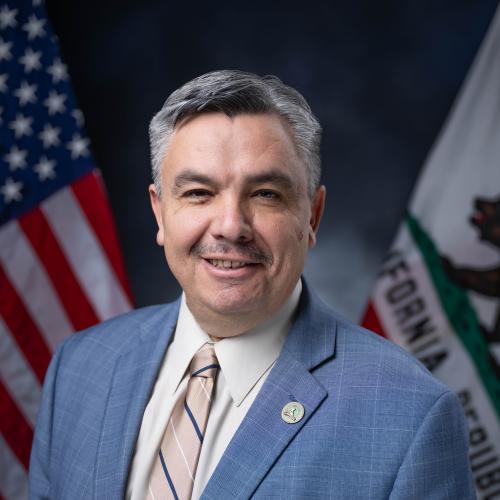
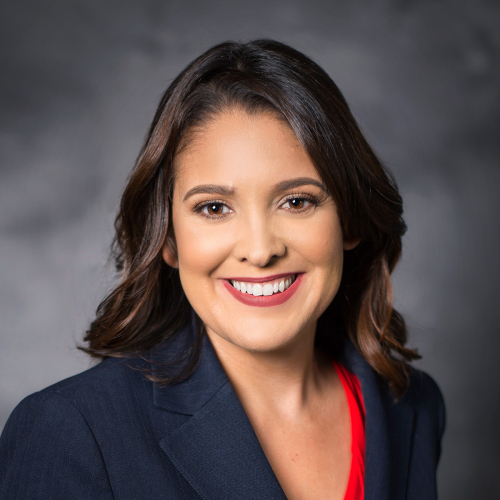
Juan Carrillo
100% support rate
Top opponent
Ali Macedo
0% support rate
Ranked legislators
10
5 support · 5 oppose
Key legislators

Who's moving government spending in California

Legislators moving government spending in California
Legislator Party Stance Support rate Votes
Juan Carrillo
Juan Carrillo House · District 39
D
Strong +
100% 13
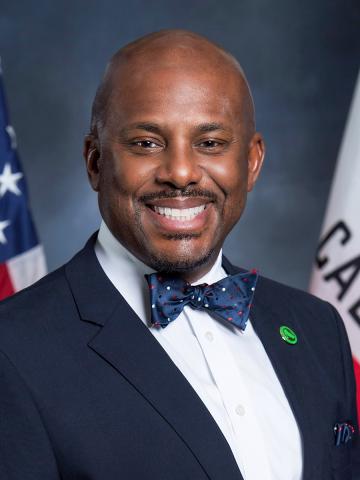
Mike Gipson
Mike Gipson House · District 65
D
Strong +
100% 12
Sharon Quirk-Silva
Sharon Quirk-Silva House · District 67
D
Strong +
100% 12
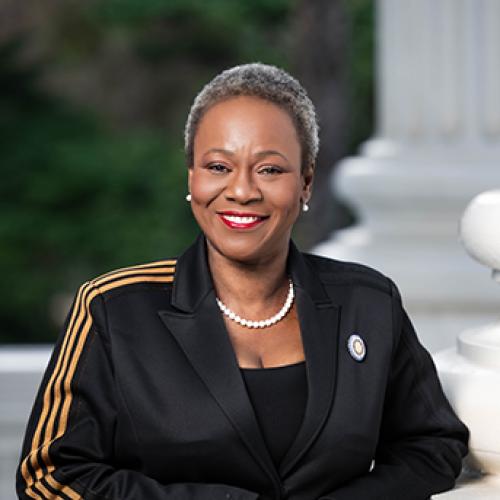
Tina McKinnor
Tina McKinnor House · District 61
D
Strong +
100% 12
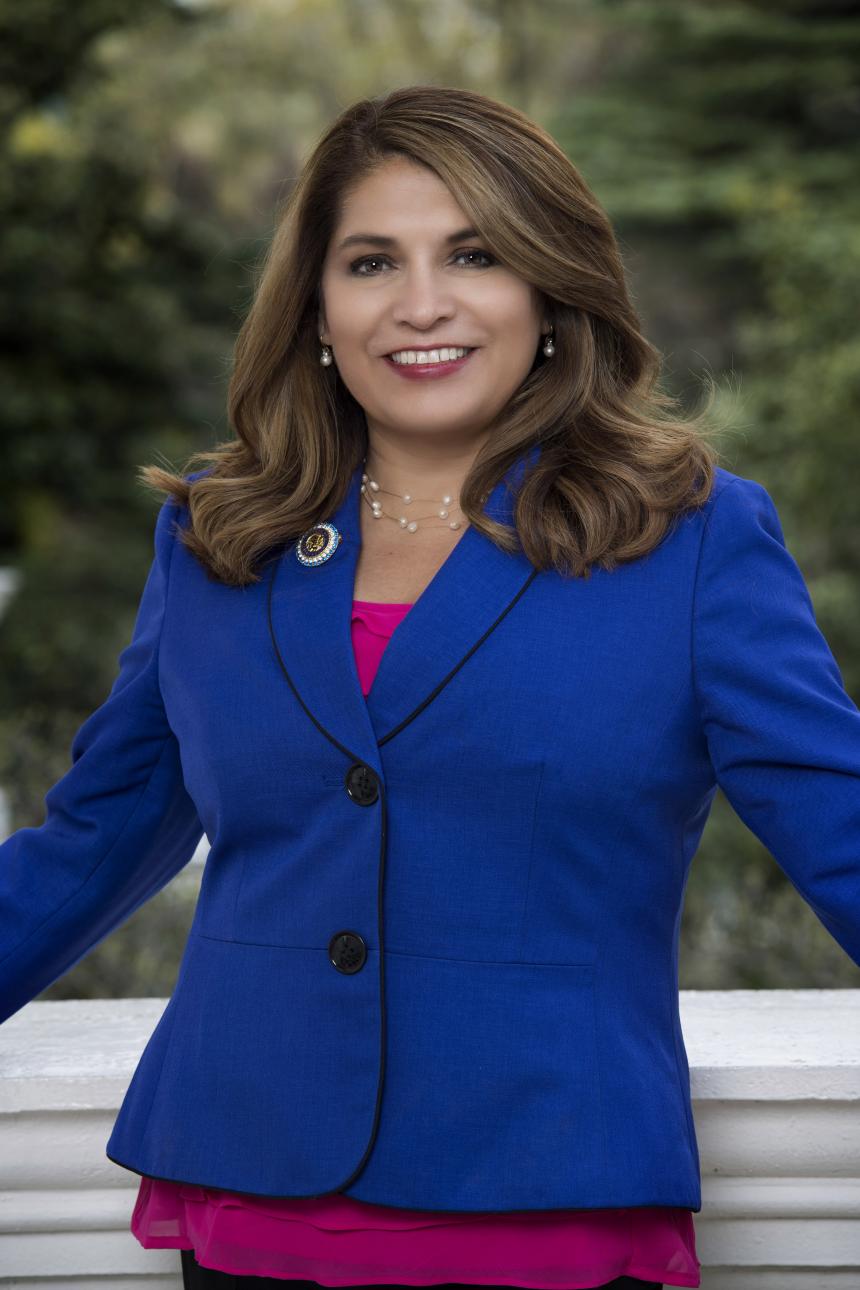
Blanca Pacheco
Blanca Pacheco House · District 64
D
Strong +
100% 10
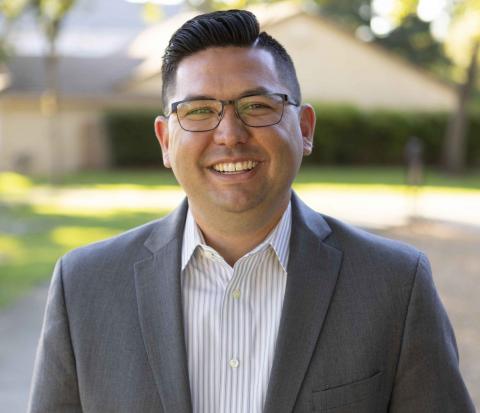
Ali Macedo
Ali Macedo House · District 33
R
Strong −
0% 9
David Tangipa
David Tangipa House · District 8
R
Strong −
0% 9
Diane Dixon
Diane Dixon House · District 72
R
Strong −
0% 9
Joshua Hoover
Joshua Hoover House · District 7
R
Strong −
0% 9
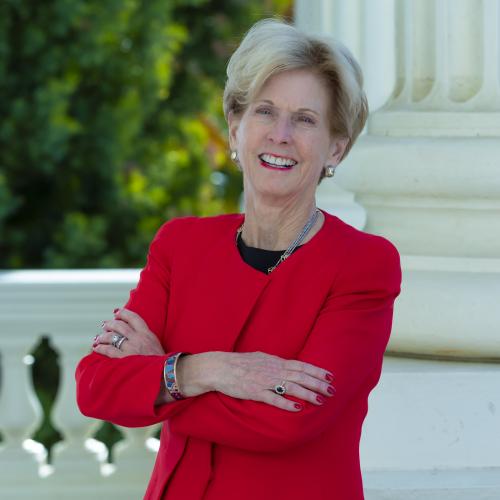
Kelly Seyarto
Kelly Seyarto Senate · District 32
R
Strong −
0% 9
Showing 81–90 of 95 bills

All budget & taxes bills

failed · California · Assembly Feb 2, 2026

AB 490: Personal Income Tax Law: deduction from gross income: car loan interest payments.

The Personal Income Tax Law, in modified conformity with federal income tax laws, allows various deductions from gross income in calculating adjusted gross income. This bill, for taxable years beginning on or after January 1, 2026, and before January 1, 2031, would allow a deduction from adjusted gross income for an amount equal to the interest paid on a qualified motor vehicle loan, as defined. The bill would limit this deduction to one qualified motor vehicle loan per taxpayer. Existing law requires any bill authorizing a new tax expenditure to contain, among other things, specific goals that the tax expenditure will achieve, detailed performance indicators, and data collection requirements. This bill also would include additional information required for any bill authorizing a new tax expenditure. This bill would take effect immediately as a tax levy.
failed · California · Assembly Feb 2, 2026

AB 976: Personal Income Tax Law: Corporation Tax Law: California Retail Security Tax Credit.

The Personal Income Tax Law and the Corporation Tax Law allow various credits against the taxes imposed by those laws. This bill, for taxable years beginning on or after January 1, 2026, and before January 1, 2028, would allow a credit against the taxes imposed by those laws to a business operating in a disadvantaged community, as described, with total gross annual receipts of no greater than $5,000,000, with 25 or fewer employees in an amount equal to the taxpayer's qualified retail theft prevention measure expenses at retail locations in the state, not to exceed $4,000 per taxable year, and subject to a credit reservation by the Franchise Tax Board, as specified. The bill would limit the total amount of tax credits allocated per taxable year to $10,000,000. Existing law requires any bill authorizing a new tax expenditure, as defined, to include tax credits, to contain, among other things, specific goals, purposes, and objectives that the tax credit will achieve, detailed performance indicators, and data collection requirements. This bill would include findings and reporting requirements in compliance with this requirement. This bill would take effect immediately as a tax levy.
failed · California · Assembly Feb 2, 2026

AB 834: Personal Income Tax Law: deduction: teachers.

The Personal Income Tax Law, in general conformity with federal tax law, allows various deductions from gross income in calculating adjusted gross income. The Personal Income Tax Law generally applies the federal definition of adjusted gross income, but excepts the deduction allowed for certain expenses of elementary and secondary school teachers. This bill would conform with federal law for purposes of the deduction allowed for certain expenses of elementary and secondary school teachers for taxable years beginning on or after January 1, 2026, and before January 1, 2031. Existing law requires any bill authorizing a new tax expenditure, as defined, to include tax credits, deductions, exclusions, or exemptions, to contain, among other things, specific goals, purposes, and objectives that the tax credit will achieve, detailed performance indicators, and data collection requirements. This bill would include findings and collection requirements in compliance with this requirement. This bill would take effect immediately as a tax levy.
failed · California · Assembly Feb 2, 2026

AB 1282: Personal Income Tax Law: credits: medical expenses.

The Personal Income Tax Law in modified conformity with federal income tax laws, generally allows various deductions in computing the income that is subject to tax imposed under that law. This bill would, for taxable years beginning on or after January 1, 2025, and before January 1, 2030, allow a deduction in computing income for out-of-pocket medical costs, as defined. The bill would limit the deduction to $5,000 per taxable year. Existing law requires any bill authorizing a new tax expenditure to contain, among other things, specific goals, purposes, and objectives that the tax expenditure will achieve, detailed performance indicators, and data collection requirements. This bill would include additional information required for any bill authorizing a new tax expenditure. This bill would take effect immediately as a tax levy.
failed · California · Assembly Feb 2, 2026

AB 389: Personal Income Tax: tax credits: fire-resistant home improvements.

The Personal Income Tax Law allows various credits against the taxes imposed by that law. This bill would allow a credit against those taxes for each taxable year beginning on or after January 1, 2025, and before January 1, 2030, to a qualified taxpayer, as defined, in an amount equal to 40% of the taxpayer's qualified expenses, as defined, not to exceed $400 per taxable year, or $2,000 cumulatively. Existing law requires any bill authorizing a new tax credit to contain, among other things, specific goals, purposes, and objectives that the tax credit will achieve, detailed performance indicators, and data collection requirements. The bill would also include additional information required for any bill authorizing a new tax expenditure. This bill would take effect immediately as a tax levy.
failed · California · Assembly Feb 2, 2026

AB 1431: Personal income taxes: credit: medical services: rural areas.

The Personal Income Tax Law allows various credits against the taxes imposed by that law. This bill, for taxable years beginning on or after January 1, 2026, and before January 1, 2031, would allow a credit against the taxes imposed by that law to a qualified taxpayer in an amount equal to the qualified income earned by the qualified taxpayer for medical services, as defined, performed in a rural area in the state, not to exceed $5,000 per taxable year, as specified. Existing law requires any bill authorizing a new tax expenditure to contain, among other things, specific goals, purposes, and objectives that the tax expenditure will achieve, detailed performance indicators, and data collection requirements. This bill would include additional information required for any bill authorizing a new tax expenditure. This bill would take effect immediately as a tax levy.
failed · California · Senate Feb 2, 2026

SB 666: Personal income tax: credit: home security surveillance.

The Personal Income Tax Law allows various credits against the taxes imposed by that law. This bill would allow a credit against those taxes for each taxable year beginning on or after January 1, 2026, and before January 1, 2031, in an amount equal to the amount paid or incurred, not to exceed $250, during the taxable year for the purchase and installation of a security surveillance system at the taxpayer's principal dwelling or housing unit located in the state. Existing law requires any bill authorizing a new tax expenditure, as defined, to include tax credits, to contain, among other things, specific goals, purposes, and objectives that the tax credit will achieve, detailed performance indicators, and data collection requirements. This bill would include findings and reporting requirements in compliance with this requirement. This bill would take effect immediately as a tax levy.
failed · California · Senate Feb 2, 2026

SB 665: Personal Income Tax Law: Corporation Tax Law: credits: retail security measures.

The Personal Income Tax Law and the Corporation Tax Law allow various credits against the taxes imposed by those laws. This bill, for taxable years beginning on or after January 1, 2025, and before January 1, 2030, would allow a credit against those taxes to a qualified taxpayer, as defined, for retail theft prevention measures, as specified. The bill would limit the credit allowed to a taxpayer to no more than $10,000 per taxable year. Existing law requires any bill authorizing a new tax expenditure to contain, among other things, specific goals, purposes, and objectives that the tax expenditure will achieve, detailed performance indicators, and data collection requirements. This bill also would include additional information required for any bill authorizing a new tax expenditure. This bill would take effect immediately as a tax levy.
failed · California · Senate Feb 2, 2026

SB 696: Sales and Use Tax Law: exemptions: firefighting equipment.

Existing state sales and use tax laws impose a tax on retailers measured by the gross receipts from the sale of tangible personal property sold at retail in this state or on the storage, use, or other consumption in this state of tangible personal property purchased from a retailer for storage, use, or other consumption in this state. The Sales and Use Tax Law provides various exemptions from those taxes. This bill, on and after July 1, 2026, and before January 1, 2031, would exempt from those taxes the gross receipts from the sale in this state of, and the storage, use, or other consumption in this state of, firefighting apparatus, equipment, or specialized vehicles, as defined, purchased by a fire department, including an all-volunteer fire department, as defined, or a fire protection district. Existing law requires any bill authorizing a new tax expenditure to contain, among other things, specific goals that the tax expenditure will achieve, detailed performance indicators, and data collection requirements. This bill also would include additional information required for any bill authorizing a new tax expenditure. The Bradley-Burns Uniform Local Sales and Use Tax Law authorizes counties and cities to impose local sales and use taxes in conformity with the Sales and Use Tax Law, and existing laws authorize districts, as specified, to impose transactions and use taxes in accordance with the Transactions and Use Tax Law, which generally conforms to the Sales and Use Tax Law. Amendments to the Sales and Use Tax Law are automatically incorporated into the local tax laws. This bill would provide that the exemption created by the bill does not apply to local sales and use taxes or transactions and use taxes. Existing law imposes or dedicates certain state sales and use tax rates for local funding, including through the Local Revenue Fund 2011. This bill would provide that the exemption created by the bill does not apply to those state sales and use tax rates imposed or dedicated for local government funding, including those rates for which revenues are deposited into the Local Revenue Fund 2011. This bill would take effect immediately as a tax levy.
failed · California · Assembly Jun 5, 2025

AB 1354: Personal Income Tax Law: credits: insurance.

The Personal Income Tax Law allows various credits against the tax imposed by that law. This bill would, for taxable years beginning on or after January 1, 2026, and before January 1, 2031, allow a credit against that tax to a qualified taxpayer, as defined, equal to the amount paid during the taxable year for premium payments made by the taxpayer for a policy of residential property insurance, as defined, minus the base year premium, defined as the premium paid by the taxpayer for a fire insurance policy in the 2023 calendar year. Existing law requires any bill authorizing a new tax expenditure to contain, among other things, specific goals, purposes, and objectives that the tax expenditure will achieve, detailed performance indicators, and data collection requirements. This bill also would include additional information required for any bill authorizing a new tax expenditure. This bill would take effect immediately as a tax levy.
Sub-Topics Government Spending
Showing 81 to 90 of 95 bills