Issue · Budget & Taxes

Budget & Taxes (Appropriations)

Every budget & taxes bill, vote, and legislator stance in California, automatically classified by Maddy, our AI policy reader.

Total bills
77
2025-2026 Regular Session
Top supporter
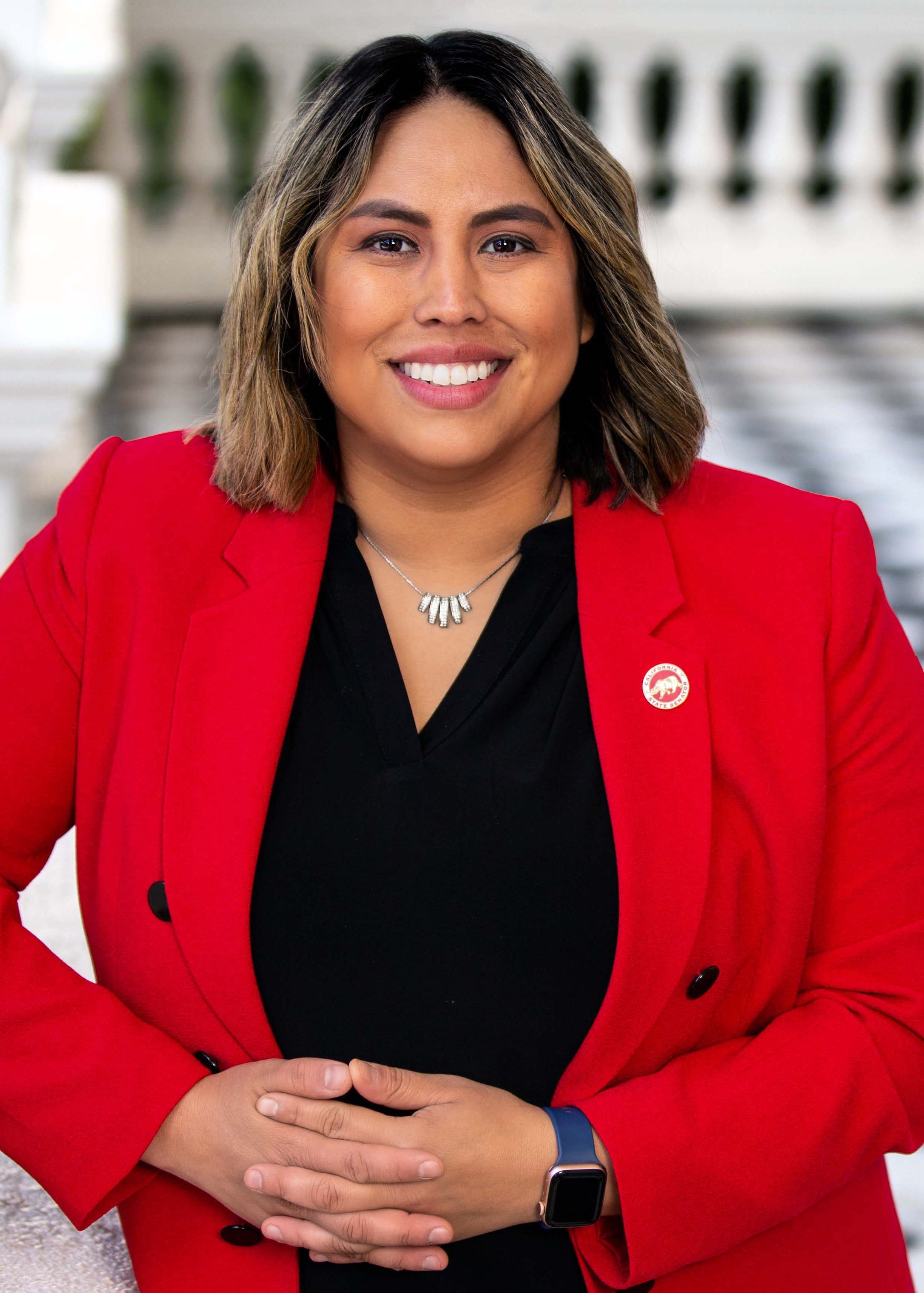
Caroline Menjivar
95% support rate
Top opponent
Shannon Grove
6% support rate
Ranked legislators
10
5 support · 5 oppose
Key legislators

Who's moving appropriations in California

Legislators moving appropriations in California
Legislator Party Stance Support rate Votes
Caroline Menjivar
Caroline Menjivar Senate · District 20
D
Strong +
95% 20
Lola Smallwood-Cuevas
Lola Smallwood-Cuevas Senate · District 28
D
Strong +
95% 20
Darsh Patel
Darsh Patel House · District 76
D
Strong +
95% 19
SP
Sasha Pérez Senate · District 25
D
Strong +
95% 19
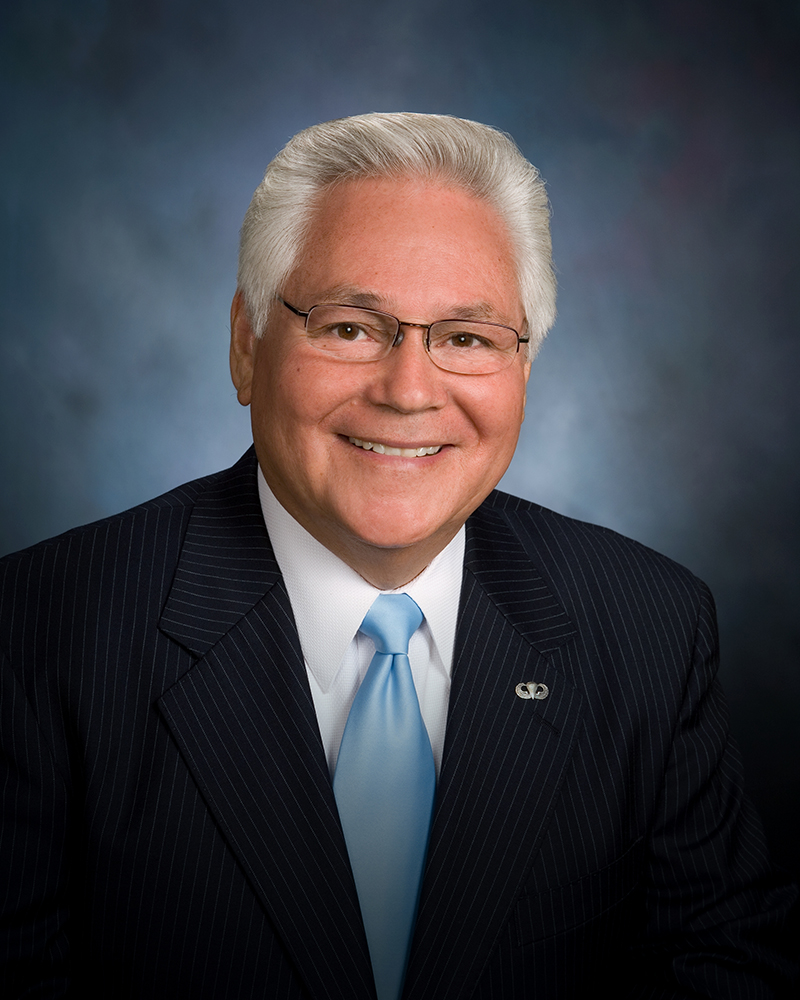
Bob Archuleta
Bob Archuleta Senate · District 30
D
Strong +
94% 18
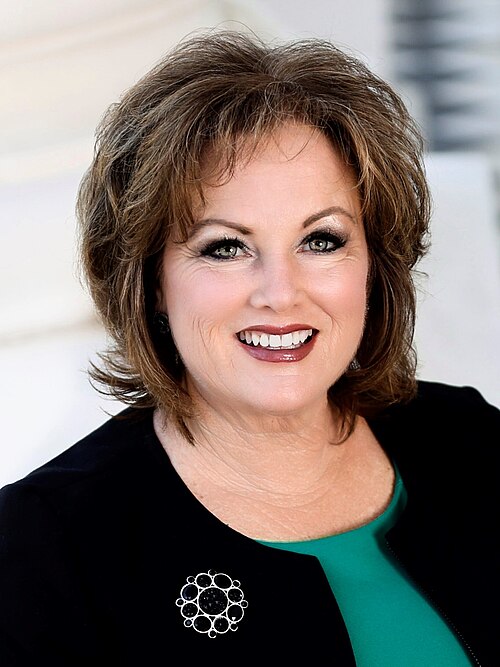
Shannon Grove
Shannon Grove Senate · District 12
R
Strong −
6% 17
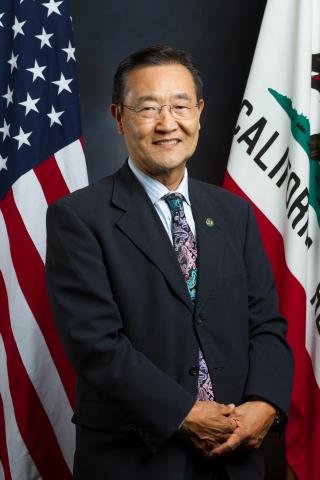
Steve Choi
Steve Choi Senate · District 37
R
Strong −
6% 16
Brian Jones
Brian Jones Senate · District 40
R
Strong −
7% 15
Kelly Seyarto
Kelly Seyarto Senate · District 32
R
Strong −
8% 25
David Tangipa
David Tangipa House · District 8
R
Strong −
12% 33
Showing 71–77 of 77 bills

All budget & taxes bills

failed · California · Assembly Feb 2, 2026

AB 1477: Governor's Office of Business and Economic Development: California Competes Grant Program.

Existing law establishes the Governor's Office of Business and Economic Development, also known as "GO-Biz," to, among other duties, serve the Governor as the lead entity for economic strategy and the marketing of California on issues relating to business development, private sector investment, and economic growth. Existing law, until January 1, 2030, and upon appropriation by the Legislature, creates the California Competes Grant Program, which, among other things, authorizes the Governor's Office of Business and Economic Development to provide grants to an applicant that meets specified criteria relating to the creation of jobs or investments in the state. This bill would extend the operation of these provisions until January 1, 2031.
Sub-Topics Appropriations
failed · California · Senate Feb 2, 2026

SB 370: California Music Festival Preservation Grant Program.

Existing law establishes the Office of Small Business Advocate within the Governor's Office of Business and Economic Development, also known as "GO-Biz," to and provides for the appointment by the Governor of the Small Business Advocate, also known as the Director of the Office of Small Business Advocate, to, among other things, serve as the principal advocate in the state on behalf of small businesses. This bill would establish the California Music Festival Preservation Grant Program within the office, under the direct authority of the director, to provide grants to eligible independent live music events promoters to support their continued ability to provide equitable access to the arts for all Californians. The bill would specify requirements for eligibility and, subject to appropriation by the Legislature, would require the office to allocate the sum of $20,000,000 in grants to eligible independent live music events promoters that meet those requirements.
Sub-Topics Appropriations
signed · California · Assembly Oct 7, 2025

AB 1318: Public social services: tax-exempt nonprofit organizations.

The Corporation Tax Law, in modified conformity with federal tax law, provides an exemption from the taxes imposed by that law for specified organizations. Existing law references federal tax law to give priority to tax-exempt organizations, or to require tax-exempt status, for the purpose of certain grants and service contracts. This bill would provide that where specified federal tax law is referenced to determine eligibility for any state grant or service contract, or for the disbursement of state or local funds, it is deemed to also refer to the relevant provision of the Corporation Tax Law. Existing law designates the State Department of Social Services as the single agency with full power to supervise every phase of the administration of public social services, including services for refugees, immigrants, and asylees, except as specified. Existing law requires the department to allocate federal funds for refugee social services programs to eligible counties and, in certain circumstances, to qualified nonprofit organizations. Existing law requires the department, subject to an appropriation, to provide grants to qualified nonprofit organizations through contracts to provide certain immigration-related legal services to persons residing in, or formerly residing in, the state. Existing law requires the department to administer a rapid response program to award grants or contracts to entities, including nonprofit organizations, that provide critical assistance to immigrants during times of need. Existing law, subject to an appropriation, establishes the Enhanced Services for Asylees and Vulnerable Noncitizens program to provide resettlement services for persons granted asylum by the United States Attorney General or the United States Secretary of Homeland Security or who are eligible to receive refugee cash assistance and services as victims of crime. Existing law requires a grant or contract awarded pursuant to that program to be executed only with a qualified nonprofit organization. Existing law defines "qualified nonprofit organization" or "nonprofit organization" for purposes of these provisions to include a nonprofit organization that, among other things, is exempt from federal income taxation, as specified. This bill would revise the definition of "qualified nonprofit organization" or "nonprofit organization" under the above-described provisions to additionally include a nonprofit organization that meets specified requirements to qualify for state tax-exempt status. This bill would declare that it is to take effect immediately as an urgency statute.
Sub-Topics Appropriations
signed · California · Senate Jun 27, 2025

SB 101: Budget Act of 2025.

This bill would make appropriations for the support of state government for the 2025–26 fiscal year. This bill would declare that it is to take effect immediately as a Budget Bill.
signed · California · Assembly Apr 14, 2025

AB 100: Budget Acts of 2023 and 2024.

The Budget Act of 2023 and the Budget Act of 2024 made appropriations for the support of state government for the 2023–24 and 2024–25 fiscal years. This bill would amend the Budget Act of 2023 and the Budget Act of 2024 by amending and adding items of appropriation and making other changes. This bill would declare that it is to take effect immediately as a Budget Bill.
in committee · California · Assembly Apr 23, 2025

ACA 13: A resolution to propose to the people of the State of California an amendment to the Constitution of the State, by amending Section 12 of Article IV thereof, by adding Section 3.5 to Article XIIIA thereof, by adding Section 12 to Article XVI thereof, and by adding Article XXIII thereof, relating to public finance.

(1) The California Constitution generally requires appropriations from the General Fund to be enacted in a bill passed by a 23 vote in each house of the Legislature. Notwithstanding that requirement, the California Constitution authorizes the budget bill, other bills providing for appropriations related to the budget bill, and bills that make General Fund appropriations for the public schools, to be passed by a majority vote. The California Constitution also generally requires a statute enacted at a regular session to go into effect on the January 1 next following a 90-day period from the date of enactment, except that the budget bill and other bills providing for appropriations related to the budget bill take effect immediately upon being signed by the Governor or upon a date specified in the legislation. This measure would repeal the exceptions to the requirement that a bill making General Fund appropriations must be passed by a 23 vote, thereby requiring any bill that makes General Fund appropriations to be passed by a 23 vote. The measure would also repeal the exception authorizing the budget bill and other bills providing for appropriations related to the budget bill to take effect immediately upon being signed by the Governor or upon a date specified in the legislation. (2) The California Constitution requires any change in state statute that results in any taxpayer paying a higher tax to be enacted in a bill passed by a 23 vote in each house of the Legislature. This measure would also prohibit any action by a state agency that would impose a new charge, or that would increase an existing charge, on any person from taking effect unless the action is ratified by a bill passed by a 23 vote in each house of the Legislature. (3) The California Constitution includes every officer and employee of the State within the state civil service, except as provided. The state judiciary has construed this civil service mandate to prohibit the state from contracting with private entities for the performance of governmental functions, except under specified circumstances. Notwithstanding the prohibition on contracting with private entities, the California Constitution authorizes the state and local governments to contract with qualified private entities for architectural and engineering services for public works of improvement. This measure would expressly authorize the State of California and local governmental entities to contract with private entities for the performance of governmental services. The measure would require every state agency to annually subject at least 10% of its program activities, as measured by total budgetary expenditures for that state agency, to fair and open competitive bidding and would make each program activity executed by a state agency subject to competitive bidding at least once every 7 years. The measure would exclude state or local governmental services performed by sworn law enforcement personnel from these provisions. The measure, beginning in the 2028–29 fiscal year, would prohibit total state employment costs from exceeding 95% of total state employment costs in the 2024–25 fiscal year, as provided. Beginning in the 2029–30 fiscal year, the measure would prohibit total state employment costs from exceeding total state employment costs in the immediately preceding fiscal year, as adjusted by the annual percentage change nationally in average wages as determined by the federal Bureau of Labor Statistics. The measure would require the California State Auditor to certify compliance with these requirements.
signed · California · Senate Aug 11, 2026

SJR 6: Federal funding for essential state infrastructure, technology, and economic development.

This measure would urge President Donald J. Trump and Congress to protect and maintain the historic investments made possible by the Bipartisan Infrastructure Law, the CHIPS and Science Act, and the Inflation Reduction Act of 2022.
Sub-Topics Appropriations State Budget Tax Incentives Roads & Highways Tags Economic Development
Showing 71 to 77 of 77 bills
Previous 1 6 7 8