Issue · Labor & Employment

Labor & Employment

Every labor & employment bill, vote, and legislator stance in Arkansas, automatically classified by Maddy, our AI policy reader.

Total bills
11
119th Congress
Top supporter
John Boozman
62% support rate
Top opponent
Steve Womack
38% support rate
Ranked legislators
6
2 support · 4 oppose
Key legislators

Who's moving labor & employment in Arkansas

Legislators moving labor & employment in Arkansas
Legislator Party Stance Support rate Votes
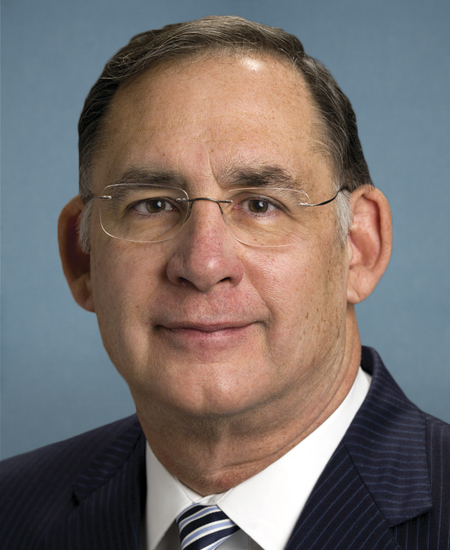
John Boozman
John Boozman Senate
R
Support
62% 212
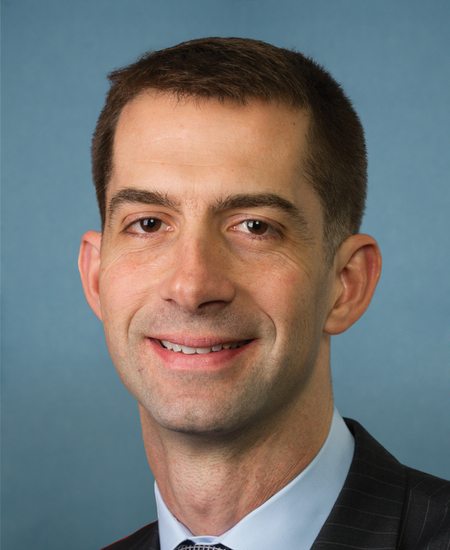
Tom Cotton
Tom Cotton Senate
R
Support
62% 211
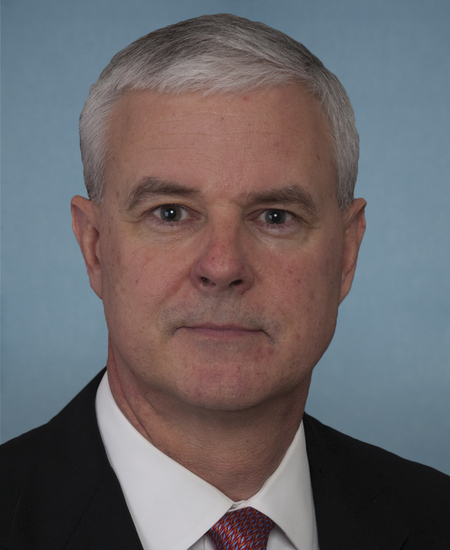
Steve Womack
Steve Womack House · District 3
R
Oppose
38% 187
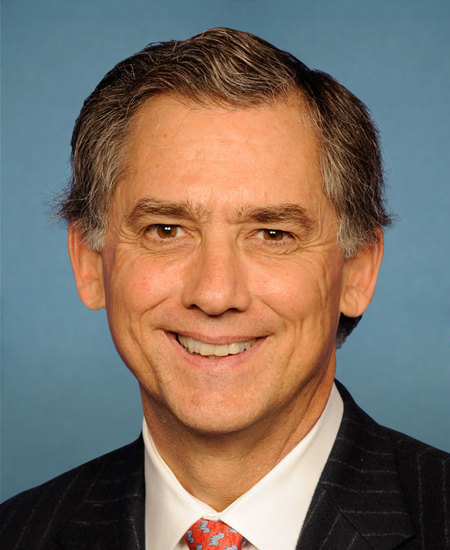
J. French Hill
J. French Hill House · District 2
R
Oppose
38% 196
Bruce Westerman
Bruce Westerman House · District 4
R
Oppose
38% 197
Eric A. "Rick" Crawford
Eric A. "Rick" Crawford House · District 1
R
Oppose
38% 198
Showing 1–10 of 11 bills

All labor & employment bills

in committee · United States · House Sep 3, 2026

HR 10250: No Preference Act

HR 10250, known as the No Preference Act, prohibits federal executive agencies and the Department of Defense from requiring or giving preference to contractors based on their use of union labor. The bill amends existing laws to ensure that government contract awards cannot be influenced by whether a company's workers are covered by collective bargaining agreements. This change directly affects federal procurement processes by mandating that offers be evaluated without regard to the labor status of the bidding firms.
in committee · United States · Senate Jul 15, 2026

S 4984: Restoration of Employment Choice for Adults with Disabilities Act

This bill modifies federal rules to allow adults with disabilities who are 18 or older to work for businesses at wages below the standard minimum rate. Under the new provisions, an individual can choose to accept such employment, and employers must make documented efforts to help these workers find regular jobs if they cannot secure one. The law also requires that if a state agency fails to provide necessary job counseling after an employer's documented attempts, the employer may continue paying the subminimum wage. These changes apply to all employment situations starting on the date the bill becomes law.
Sub-Topics Minimum Wage
in committee · United States · Senate May 21, 2026

S 4620: Mandatory E-Verify Act of 2026

The Mandatory E-Verify Act of 2026 makes the E-Verify employment eligibility verification system permanent and mandatory for all employers in the United States, including those who hire, recruit, or refer individuals for jobs. The bill requires employers to use the system within a phased timeline based on company size, ranging from six months for large businesses with 10,000 or more employees to 18 months for smaller businesses with fewer than 20 employees, while exempting agricultural labor verification until 18 months after enactment. Key provisions include increased civil and criminal penalties for non-compliance, the ability for the government to debar repeat violators from federal contracts, and a requirement that states sharing driver's license data with the system remain eligible for certain federal funding. Additionally, the act establishes a self-check feature for individuals to verify their own status, expands data sharing between federal and state agencies to prevent fraud, and creates a good-faith defense for employers who rely on the system's results.
Sub-Topics Work Authorization
in committee · United States · Senate Jul 31, 2025

S 2567: CAP Act of 2025

S 2567 (CAP Act of 2025) removes a special exception that allowed colleges and universities to hire foreign workers on H-1B visas without being subject to annual visa caps. This change means institutions of higher education will now face the same annual limits on H-1B visas as other employers. The bill directly affects U.S. colleges and universities that employ foreign workers through the H-1B program. It modifies existing immigration law to eliminate this exemption, requiring these institutions to compete within the standard H-1B visa quota system.
Sub-Topics DACA & Dreamers
in committee · United States · House Jan 23, 2025

HR 687: MERIT Act of 2025

The MERIT Act of 2025 makes significant changes to federal personnel management by repealing Chapter 43 performance-based actions and modifying procedures for disciplinary actions, furloughs, and bonus recoupment. It extends probationary periods for senior executives (to 2 years) and competitive service employees (to 2 years), establishes new rules for reducing retirement benefits of employees convicted of felonies related to their federal service, and creates standardized procedures for adverse actions including written notice requirements and response periods. The bill also allows agencies to recoup bonuses for misconduct and modifies procedures for handling furloughs of more than 14 days. These changes apply to all federal employees across government agencies and aim to clarify and streamline personnel management processes.
Sub-Topics Public Employees
in committee · United States · House Sep 8, 2026

HR 5267: American Franchise Act

HR 5267, the American Franchise Act, clarifies when franchisors can be considered joint employers of franchisee employees under federal labor laws. It defines "substantial direct and immediate control" over essential employment terms like wages, benefits, hours, hiring, and discipline - requiring franchisors to actively set these terms to be deemed joint employers. The bill explicitly excludes routine brand standards, training, or minimal safety requirements from constituting such control. This directly affects franchisors and franchisees by limiting joint employer liability to cases where franchisors exert significant, ongoing influence over core employment decisions. The law applies prospectively to new cases after enactment, not past disputes.
Sub-Topics Labor Standards
in committee · United States · House Feb 26, 2025

HR 1624: Supporting Farm Operations Act of 2025

This bill freezes the minimum wage rate for H-2A agricultural workers at the level effective in each state on December 31, 2023, through December 31, 2026. It directly affects farms hiring H-2A visa workers and the workers themselves by maintaining current wage requirements. The bill clarifies that wage determination for these workers will use a "primary duties evaluation" to assess their main job tasks, rather than all duties performed. This provides stability in wage calculations for agricultural employers and workers during the specified period.
in committee · United States · House Feb 12, 2025

HR 1232: National Right-to-Work Act

HR 1232, the National Right-to-Work Act, would make union membership voluntary for workers in most private-sector jobs by removing legal requirements for employees to join a union or pay dues as a condition of employment. It directly affects workers in unionized workplaces covered by the National Labor Relations Act (including most private employers) and railroad workers covered by the Railway Labor Act. The key change eliminates provisions that allowed "union security agreements" (requiring dues or membership), meaning workers could no longer be forced to pay union fees to keep their jobs. This bill does not change other labor rights or create new programs - it only modifies existing laws to allow workers to opt out of union membership and financial obligations.
in committee · United States · House Jul 21, 2026

HR 6213: Heat Workforce Standards Act of 2025

HR 6213, the Heat Workforce Standards Act of 2025, prohibits the U.S. Department of Labor from finalizing, implementing, or enforcing OSHA's proposed "Heat Injury and Illness Prevention" standard (published August 30, 2024). This bill directly blocks the specific regulatory proposal targeting heat safety in both outdoor and indoor work settings. It does not create new requirements or affect workers; it solely prevents the implementation of the existing OSHA proposal. The bill is procedural, focusing on halting a regulatory action rather than establishing new policy.
in committee · United States · Senate Feb 12, 2025

S 533: National Right-to-Work Act

S 533, the National Right-to-Work Act, eliminates requirements for workers to join a union or pay dues as a condition of employment in private-sector workplaces and railroads. It amends the National Labor Relations Act (NLRA) and Railway Labor Act by removing language that allowed "union security agreements," meaning employers and unions can no longer mandate union membership or financial dues for employees. This directly affects workers in unionized private companies and railroad jobs covered by collective bargaining agreements. The law applies to new or renewed contracts after its enactment, changing how labor agreements can structure financial obligations for employees.
Showing 1 to 10 of 11 bills
1 2 Next