Issue · Labor & Employment

Labor & Employment

Every labor & employment bill, vote, and legislator stance in Arkansas, automatically classified by Maddy, our AI policy reader.

Total bills
46
119th Congress
Top supporter
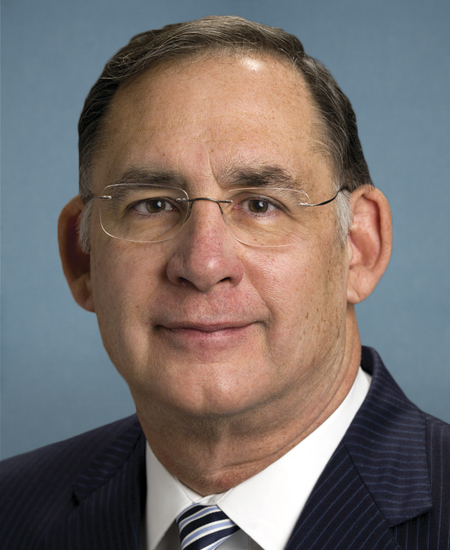
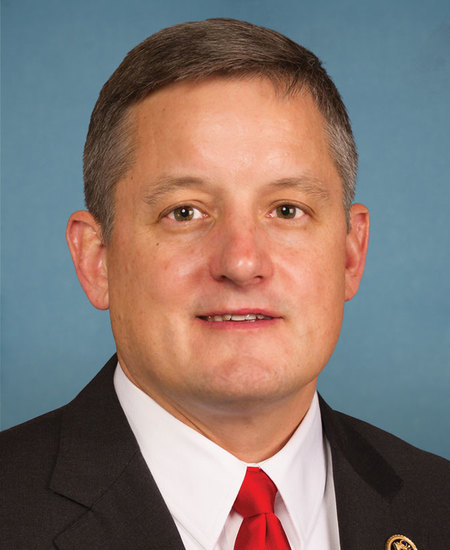
John Boozman
62% support rate
Top opponent
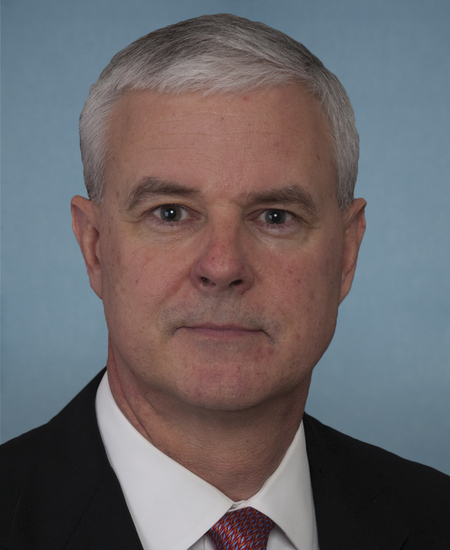
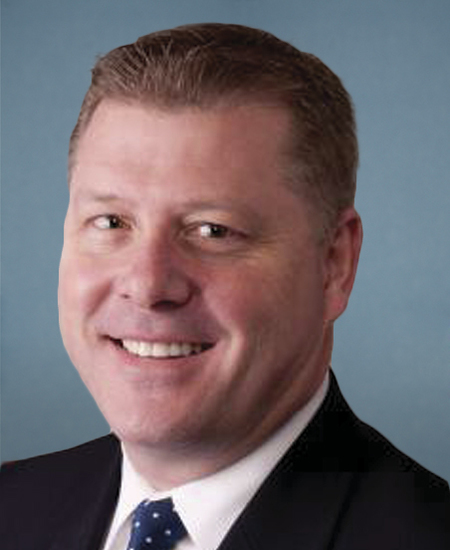
Steve Womack
38% support rate
Ranked legislators
6
2 support · 4 oppose
Key legislators

Who's moving labor & employment in Arkansas

Legislators moving labor & employment in Arkansas
Legislator Party Stance Support rate Votes
John Boozman
John Boozman Senate
R
Support
62% 212
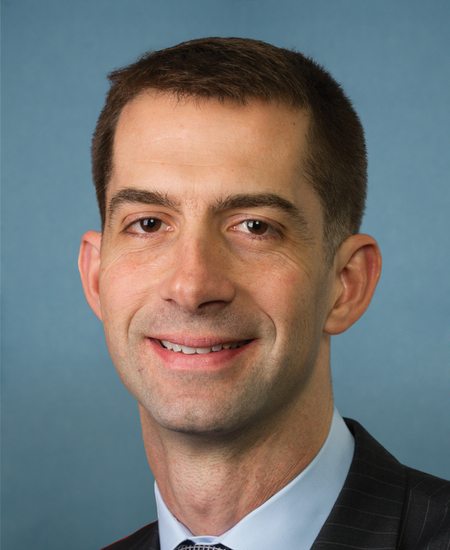
Tom Cotton
Tom Cotton Senate
R
Support
62% 211
Steve Womack
Steve Womack House · District 3
R
Oppose
38% 187
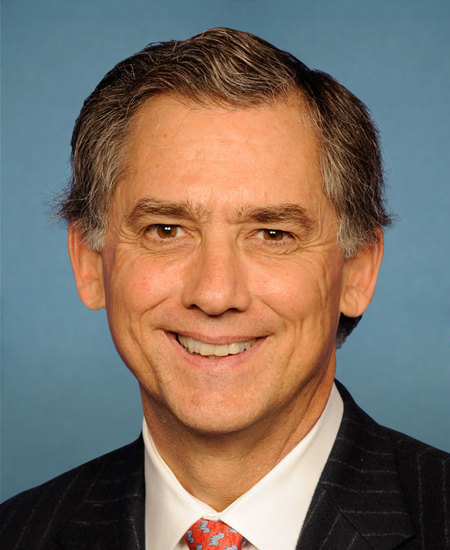
J. French Hill
J. French Hill House · District 2
R
Oppose
38% 196
Bruce Westerman
Bruce Westerman House · District 4
R
Oppose
38% 197
Eric A. "Rick" Crawford
Eric A. "Rick" Crawford House · District 1
R
Oppose
38% 198
Showing 1–10 of 46 bills

All labor & employment bills

in committee · United States · House Sep 3, 2026

HR 10250: No Preference Act

HR 10250, known as the No Preference Act, prohibits federal executive agencies and the Department of Defense from requiring or giving preference to contractors based on their use of union labor. The bill amends existing laws to ensure that government contract awards cannot be influenced by whether a company's workers are covered by collective bargaining agreements. This change directly affects federal procurement processes by mandating that offers be evaluated without regard to the labor status of the bidding firms.
in committee · United States · House Jul 21, 2026

HR 9809: Disabled Access Credit Modernization Act

The Disabled Access Credit Modernization Act updates the tax credit available to small businesses that make their facilities more accessible to people with disabilities. It allows these businesses to claim the credit for a broader range of expenses, including equipment and services that go beyond the minimum requirements of the Americans with Disabilities Act or are needed even if the business is not currently subject to those rules. Additionally, the bill clarifies the definitions of disability and reasonable accommodation within the tax code. The legislation also requires the Treasury Department to issue guidance and conduct public outreach to help eligible businesses understand the updated credit, with a report to Congress due two years after enactment. These changes will take effect for expenses incurred after December 31, 2026.
Sub-Topics Tax Credits Tags People with Disabilities
in committee · United States · Senate Jul 16, 2026

S 5017: More Paid Leave for More Americans Act

The More Paid Leave for More Americans Act creates a federal grant program to help states establish or improve paid leave systems that offer up to six weeks of paid time off for reasons like illness, family care, or bonding. To receive funding, states must create a partnership with private entities to manage the program and agree to a national network that standardizes rules and technology across different states. The bill sets specific requirements for benefit amounts, such as providing at least 67 percent of an employee's weekly pay for low-income workers, and allows grants of up to $8 million per state to cover startup costs and ongoing operations. Additionally, the legislation authorizes funding for a national organization to build a shared technology system that helps workers apply for benefits regardless of which states they have worked in.
Sub-Topics Paid Leave
in committee · United States · Senate Jul 15, 2026

S 4984: Restoration of Employment Choice for Adults with Disabilities Act

This bill modifies federal rules to allow adults with disabilities who are 18 or older to work for businesses at wages below the standard minimum rate. Under the new provisions, an individual can choose to accept such employment, and employers must make documented efforts to help these workers find regular jobs if they cannot secure one. The law also requires that if a state agency fails to provide necessary job counseling after an employer's documented attempts, the employer may continue paying the subminimum wage. These changes apply to all employment situations starting on the date the bill becomes law.
Sub-Topics Minimum Wage
in committee · United States · Senate May 21, 2026

S 4620: Mandatory E-Verify Act of 2026

The Mandatory E-Verify Act of 2026 makes the E-Verify employment eligibility verification system permanent and mandatory for all employers in the United States, including those who hire, recruit, or refer individuals for jobs. The bill requires employers to use the system within a phased timeline based on company size, ranging from six months for large businesses with 10,000 or more employees to 18 months for smaller businesses with fewer than 20 employees, while exempting agricultural labor verification until 18 months after enactment. Key provisions include increased civil and criminal penalties for non-compliance, the ability for the government to debar repeat violators from federal contracts, and a requirement that states sharing driver's license data with the system remain eligible for certain federal funding. Additionally, the act establishes a self-check feature for individuals to verify their own status, expands data sharing between federal and state agencies to prevent fraud, and creates a good-faith defense for employers who rely on the system's results.
Sub-Topics Work Authorization
in committee · United States · House May 19, 2026

HRES 1301: Supporting the designation of May 29, 2026, as "Mental Health Awareness in Agriculture Day" to raise awareness around mental health in the agricultural industry and workforce and to continue to reduce stigma associated with mental illness.

This resolution designates May 29, 2026, as "Mental Health Awareness in Agriculture Day" to highlight mental health issues within the farming and agricultural workforce. It aims to reduce the stigma surrounding mental illness by acknowledging the unique stressors faced by producers and workers, such as unpredictable weather, labor shortages, and market fluctuations. The bill also draws attention to available support resources, specifically the Farm and Ranch Stress Assistance Network, and encourages the public to observe the day as a way to promote well-being in the industry.
Sub-Topics Mental Health Tags Agriculture
passed · United States · Senate Jun 1, 2026

SRES 727: A resolution supporting the designation of May 29, 2026, as "Mental Health Awareness in Agriculture Day" to raise awareness around mental health in the agricultural industry and workforce and to continue to reduce stigma associated with mental illness.

This Senate resolution designates May 29, 2026, as "Mental Health Awareness in Agriculture Day" to highlight mental health issues within the farming industry. The bill aims to reduce stigma surrounding mental illness among the approximately 3.37 million agricultural producers and 1.6 million farmworkers in the United States. It acknowledges specific challenges faced by these workers, such as suicide rates that are significantly higher than the general population, and encourages the use of existing resources like the Farm and Ranch Stress Assistance Network. The resolution serves as a symbolic gesture to promote well-being rather than enacting new laws or funding changes.
Sub-Topics Mental Health Tags Agriculture
in committee · United States · House Apr 14, 2026

HRES 1173: Expressing support for the designation of April 2026 as "Second Chance Month".

This resolution expresses support for designating April 2026 as "Second Chance Month" to raise awareness about barriers faced by people with criminal records. The bill does not create new laws or change existing policies but serves as a symbolic gesture to highlight challenges in employment, housing, and education for formerly incarcerated individuals. It calls on communities, employers, and organizations to promote awareness of these obstacles and encourage efforts to help people reintegrate into society. The resolution honors the bipartisan First Step Act of 2018 and the Second Chance Act of 2007, which provide reentry services to incarcerated individuals.
Sub-Topics Probation & Parole
in committee · United States · House Apr 13, 2026

HRES 1164: Directing Members required to reimburse the Treasury for payments related to certain claims to appear before the Clerk for public disclosure of the reasons for the reimbursement.

This resolution requires Members of Congress who must reimburse the Treasury for payments related to sexual harassment or discrimination claims to publicly disclose the details of those reimbursements in the House chamber. It mandates that the Office of Congressional Workplace Rights report these cases to the Clerk, who will then read the Member's name, the reimbursement amount, and related information aloud during a House session. Members who fail to comply within 30 days face restrictions on committee assignments and leadership duties, while former Members are barred from entering the House building until they complete reimbursement and undergo the public disclosure process. The measure also establishes that failures to comply with these requirements can be investigated separately by the House Ethics Committee.
in committee · United States · Senate Mar 26, 2026

S 4249: FARM Stability Act

The FARM Stability Act proposes changes to wage requirements for H-2A temporary agricultural workers in the United States. It would require the Secretary of Labor to establish a two-tiered wage system based on skill levels, with higher pay for workers who have formal training or significant experience compared to entry-level workers. The bill also mandates that wages account for housing costs by calculating an hourly adjustment factor based on average fair market rent for four-bedroom units, limited to 30 percent of the base wage rate. These provisions would directly affect employers hiring H-2A workers and the workers themselves by modifying how minimum wages are determined and adjusted annually.
Sub-Topics Renters Labor Standards Minimum Wage Tags Agriculture
Showing 1 to 10 of 46 bills
1 2 3 5 Next