

Maddy summarySB 1321 requires Arizona school districts and charter schools to allow eligible patriotic youth organizations (like the Boy Scouts or Future Farmers of America) to recruit students during school hours. It permits these groups to speak in classrooms, distribute materials, and use school communication channels, provided they serve youth under 21, promote patriotism/civic education, and are listed in specific federal codes (e.g., 36 U.S.C. §§ 301, 309, 311). Schools must notify parents before any classroom presentations and allow opt-outs, but may not restrict eligible groups from using school facilities for recruitment outside school hours. The bill does not require schools to accommodate non-eligible organizations.
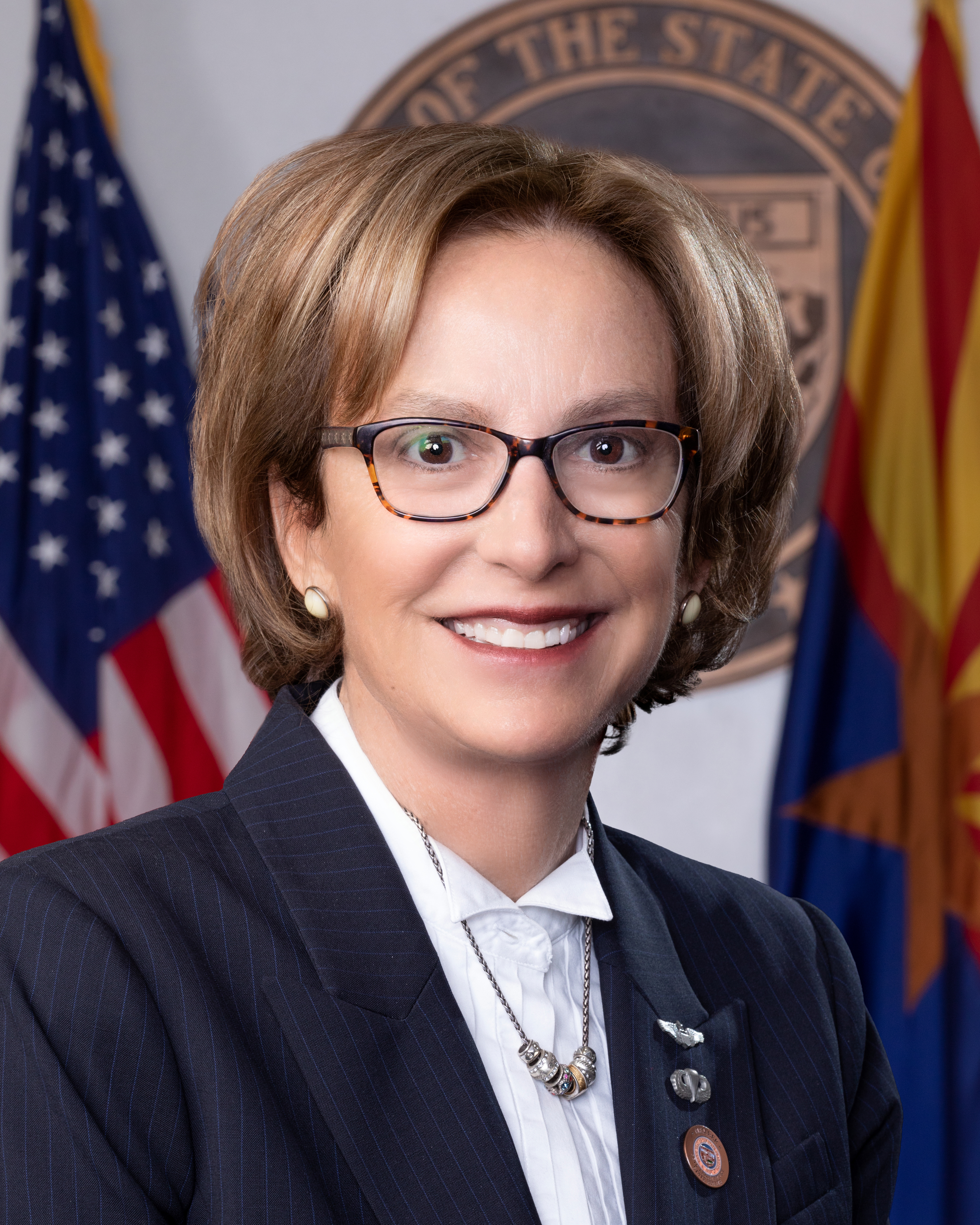
Sen. Wendy Rogers
Sponsored bills
Maddy summarySB 1017 appropriates $359,700 and four full-time positions from Arizona's general fund for fiscal year 2025-2026 to operate the Pioneer Museum in Flagstaff through the Arizona Historical Society. The bill designates this funding as ongoing for future years. It directly affects the museum's operations and staff resources in Flagstaff, providing stable financial support for its continued functioning. This is a procedural funding measure with no policy changes beyond the allocated resources.
Maddy summarySB 1228 imposes a temporary moratorium on new housing regulations in Arizona, preventing municipalities from adopting or enforcing new rules for single-family homes, subdivisions, or planned developments from its effective date through June 30, 2028. The law only allows new regulations that protect public health/safety or reduce construction costs. It directly affects local governments (cities and towns) by restricting their ability to create new housing development standards during this period. The bill expires on June 30, 2028, and stems from legislative findings that non-essential regulations are worsening Arizona's housing shortage and affordability crisis.
Maddy summarySB 1270 prohibits drivers from operating a vehicle while an animal (like a pet) is on their lap. It takes effect January 1, 2026, imposing civil penalties of $75-$149 for a first violation and $150-$250 for repeat offenses. The bill specifically states that violations cannot be used to suspend or revoke a driver's license, except as noted in another statute. This law directly affects drivers transporting pets in their lap while driving in Arizona.
Maddy summaryThis bill would have amended Arizona election law to change how counties establish polling places and manage voting locations. It required counties to set precinct boundaries by October 1 before elections, with specific rules for combining precincts or using voting centers where any voter can cast a ballot with ID. The bill also mandated that public schools provide space for polling places unless a principal denies it for safety or space reasons, and created procedures for emergency voting centers during elections. It directly affected county election officials, public schools, and voters across Arizona.
Maddy summaryArizona's SB 1722 creates legal liability for fraudulent scientific research and failure to disclose research details. It allows civil lawsuits against researchers, institutions, or funding agencies by individuals who prove fraud or disclosure failures (like hiding funding sources or raw data) with strong evidence. The bill requires grantees to publicly share all raw data, methods, and protocols in databases, and provides specific defenses for researchers who preregister studies, correct errors, share data, or use open-access platforms. Successful claimants can recover damages, attorney fees, and punitive damages for willful violations.
Maddy summarySB 1592 amends Arizona's State Retirement System (ASRS) investment rules to set strict limits on asset allocation and mandate fiduciary duties. It prohibits more than 80% of ASRS assets in equities (H), 40% in non-U.S. investments (I), 60% internally (J), and 5% in any single institution (K). The bill also requires ASRS investment managers to consider *only* financial returns when making decisions or voting shares, banning consideration of environmental, social, or political factors (Section 38-718.01). These changes directly affect ASRS, its investment managers, and the retirement funds of Arizona public employees.
Maddy summarySB 1724 is a technical correction to Arizona's criminal statute on defrauding secured creditors (ARS § 13-2204). It fixes a numbering error in the statute (changing "C. B." to "B. C.") without altering the law's substance. The bill does not change the definition of the offense or its classification as a class 6 felony. It directly affects legal proceedings involving secured creditors but has no new policy impact. The bill remains in early legislative stages (Senate first and second readings) with no substantive changes to existing law.
Maddy summarySB 1723 is a technical correction bill that fixes a typographical error in Arizona Revised Statutes § 41-194. It corrects the redundant phrase "upon on request" to "upon request" in the requirement that the attorney general provide copies of written opinions to the public. The bill does not change any substantive policy or obligations; it only clarifies existing language. This affects the attorney general's office by ensuring accurate statutory language for public distribution of legal opinions.
Maddy summarySB 1685 is a technical correction to Arizona law that changes the felony classification for knowingly making false statements under oath related to veterans' claims. It amends Section 41-607 of the Arizona Revised Statutes to upgrade the offense from a class 6 felony to a class 5 felony. This bill directly affects individuals filing claims under veterans' benefit programs by increasing the penalty for false statements in those claims. The change is purely procedural, adjusting the legal classification without altering the substance of veterans' claim requirements. The bill is currently in early legislative stages, having received its first Senate reading on February 10, 2025.