

Maddy summarySB 1118 appropriates state funds for a grant program to help rural hospitals cover costs of radiation protection systems. The bill directly affects rural hospitals (defined as those in counties with under 1 million residents) by providing financial assistance for shielding systems that protect staff during medical procedures using radiation. Key provisions require these systems to meet specific standards: equivalent protection to a .25mm lead apron and include real-time dosimetry to measure radiation exposure. The grant program is administered by the Arizona Department of Health Services for fiscal year 2026-2027.
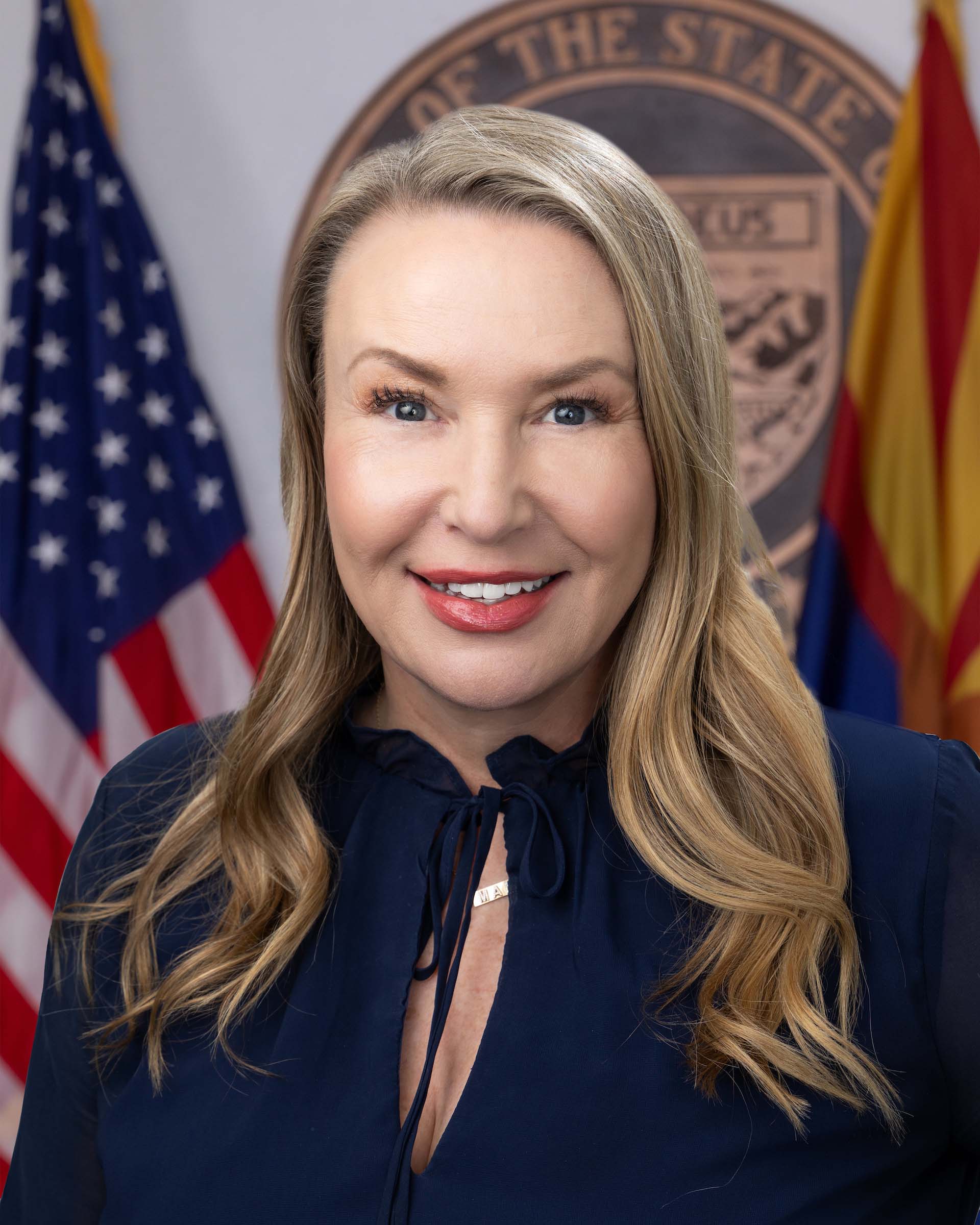
Sen. Carine Werner
Sponsored bills
Maddy summarySB 1172 requires Arizona's Department of Child Safety (DCS) to operate a centralized hotline for reporting suspected child abuse or neglect, mandating that all reports be recorded and cross-checked for prior incidents using state data systems. It directs DCS to use standardized tools to assess the severity of abuse/neglect, identify potential criminal conduct, and determine appropriate investigation priorities. For cases involving four or more reports against the same caregiver within 12 months, investigations must be assigned to specialists with at least two years of experience or advanced forensic training. Additionally, DCS must share hotline reports about children in active dependency court cases with the overseeing court. These changes aim to streamline response protocols and improve child safety outcomes.
Maddy summaryThis resolution expresses the Arizona Legislature's sincere regret and deepest condolences regarding the death of former Senate Majority Leader Alfredo Gutierrez. It formally acknowledges his life of public service, highlighting his advocacy for civil rights, education, and immigrant communities, as well as his significant legislative achievements such as establishing the Arizona Department of Transportation and expanding Medicaid. The bill does not enact new laws or policies but serves as a commemorative gesture to honor his legacy and offer support to his surviving family members.
Maddy summaryHCR 2047 is a symbolic Arizona legislative resolution recognizing the historical and biblical significance of "Judea and Samaria" as the ancestral homeland of the Jewish people. It formally rejects the term "West Bank" as a political construct and mandates that Arizona state government use "Judea and Samaria" in all official communications and documents regarding the territory. The resolution cites biblical references, historical claims, and legal arguments (including the San Remo Resolution and League of Nations Mandate) to support its position. As a concurrent resolution, it has no legal effect on international borders or U.S. policy but reflects Arizona's official stance on terminology. It does not alter any existing laws or policies related to the region.
Maddy summarySB 1346 requires the Arizona Health Care Cost Containment System (AHCCCS) to notify healthcare providers within 72 hours of receiving a fee-for-service claim if administrative errors exist. If providers correct these errors or none exist, AHCCCS must approve or deny the claim within 10 business days. This bill directly affects healthcare providers, clinics, and hospitals submitting billing claims to AHCCCS, streamlining the claims review process by setting clear timeframes for both notification and final decisions.
Maddy summarySB 1123 amends Arizona law to clarify and expand the authority of county medical examiners. It allows medical examiners to delegate specific death investigation tasks (like autopsies) to medical students, residents, pathologist assistants, or contracted professionals under supervision, while requiring board approval for payments. The bill also establishes clear procedures for organ and tissue donation, requiring medical examiners to consult with organ procurement organizations before limiting removals and documenting decisions. It directly affects medical examiners, healthcare providers, and organ donation programs by standardizing how death investigations interact with transplant protocols. The changes aim to balance thorough death investigations with timely organ donation opportunities.
Maddy summaryHB 2378 establishes a School Facilities Oversight Board to review and oversee public school construction and renovation projects in Arizona. The board, composed of 10 appointed members including taxpayer representatives, architects, engineers, construction company owners, and business community members, must maintain geographic and public-private balance. The bill requires the state division to set policies for expediting change order approvals (within two business days), annually notifying school districts about available funding through a public website, and maintaining a list of facilities management contacts at each district.
Maddy summarySB 1126 requires Arizona school districts to share student school records with specific entities under defined circumstances. Schools must provide juvenile court records before a juvenile is adjudicated, release records to the Department of Child Safety (DCS) caseworkers investigating abuse/neglect within 10 days, and share records with law enforcement via approved intergovernmental agreements for juvenile justice programs. The bill mandates strict compliance with federal privacy laws (FERPA) when sharing records and prohibits schools from blocking staff from cooperating with DCS investigations. This directly affects school districts, juvenile courts, DCS caseworkers, and law enforcement agencies coordinating on youth safety and education.
Maddy summarySB 1166 allows Arizona county school superintendents to offer high school equivalency preparation instruction through accommodation schools to students in grades 10-12 who are at least 16 years old. Students must have written parental consent (or self-consent if emancipated) and must also enroll in a career or technical education program leading to a certification, license, or credential. The bill defines "high school equivalency preparation instruction" as coursework preparing students to pass the state-administered equivalency test. This policy change directly affects older high school students seeking an alternative to traditional graduation pathways.
Maddy summarySB 1125 requires Arizona's Department of Child Safety (DCS) to establish annual agreements with Native American tribes lacking current memorandums. These agreements must mandate DCS to share child welfare practices (including intake, investigations, placements, and case management), appoint a dedicated tribal liaison for each tribe, and provide tribes access to DCS regulatory actions affecting tribal children in licensed group homes (such as licensing sanctions, safety violations, and corrective plans). The bill directly affects DCS, Arizona tribes, and children in tribal foster care by improving transparency and collaboration on child welfare matters.