

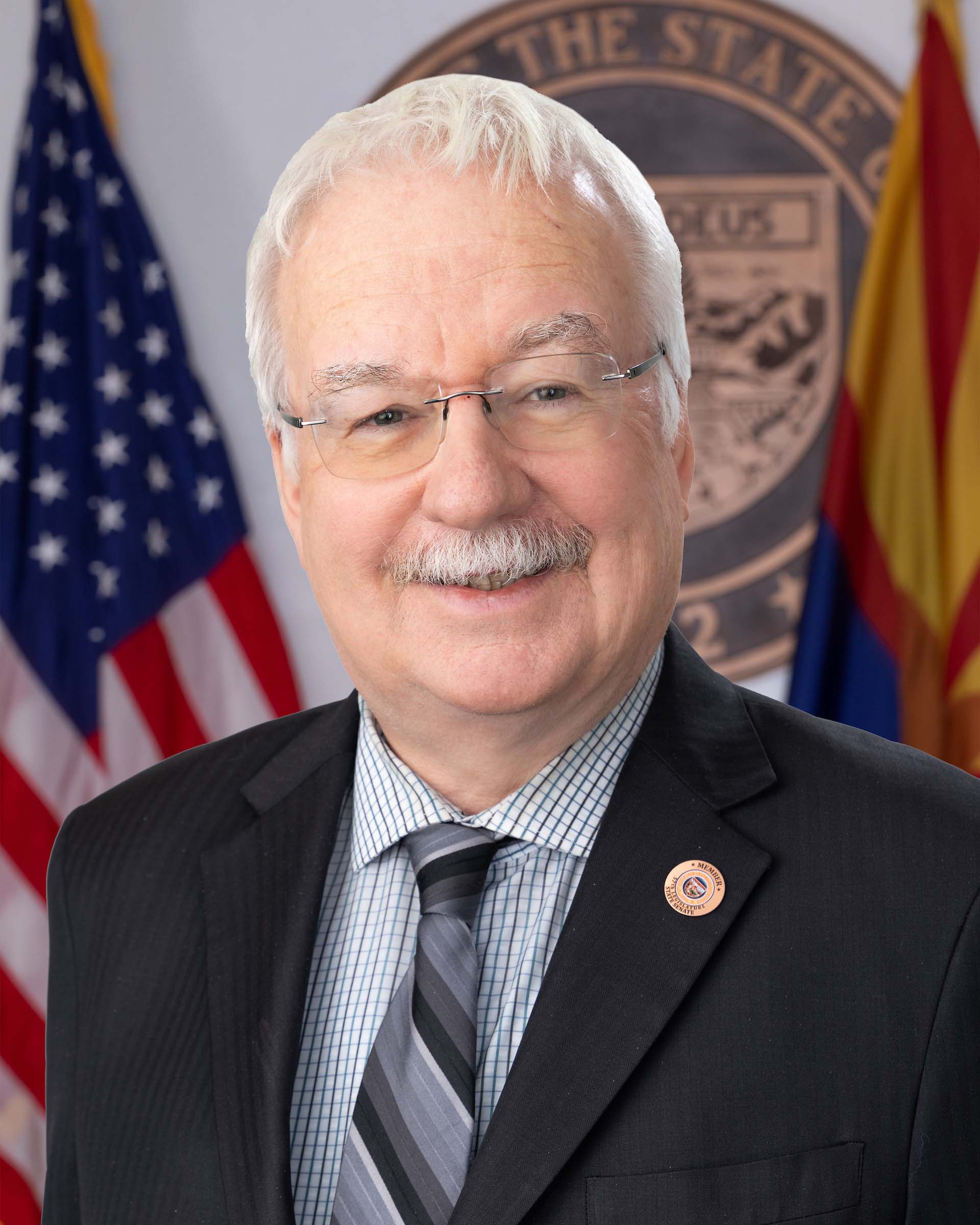
Maddy summarySenate Concurrent Resolution 1055 is a commemorative measure that honors the life and service of Major General Glen W. 'Bill' Van Dyke, a retired Arizona National Guard leader who passed away in April 2026. The resolution formally recognizes his nearly 38 years of military and public service, including his roles as a pilot, commander of the 162nd Fighter Group, and Adjutant General of Arizona. It expresses the legislature's condolences to Van Dyke's family and friends while acknowledging his contributions to the state and nation.
Sen. John Kavanagh
Sponsored bills
Maddy summaryThis is a commemorative resolution (HCR 2063), not a substantive bill. It honors Yvonne Glee Lime Fedderson, founder of Childhelp and a global humanitarian dedicated to child welfare, following her death on January 23, 2026. The resolution expresses the Arizona Legislature's sympathy to her family and admirers, and directs the Secretary of State to send copies of the resolution to her family and Childhelp. It has no policy provisions or impact on legislation.
Maddy summarySB 1008 establishes speed limits for bicycles and electric mobility devices (like e-bikes and e-scooters) on Arizona's bicycle and multiuse paths, requiring a maximum of 15 mph when the path is clear and 5 mph when passing others, with local authorities allowed to set lower limits. It prevents bicycle violations from being used to suspend driver's licenses, increase insurance rates, or cancel policies. The bill also mandates manufacturers to label electric bicycles with speed and motor details and requires visible identification for electric scooters. Additionally, it restricts class 3 electric bicycles from using paths unless adjacent to a highway or permitted by local authorities.
Maddy summarySB 1022 exempts booking photographs (like mug shots taken during arrests) and photos or videos from photo enforcement systems (such as traffic cameras) from Arizona's public records disclosure requirements. The bill adds a new section to state law clarifying that government agencies do not have to release these specific images when requested under public records laws. This directly affects law enforcement and transportation departments that maintain such records. The exemption applies only to the defined categories of images, leaving other public records subject to standard disclosure rules. The bill does not alter existing requirements for other types of government records.
Maddy summarySB 1028 requires courts to destroy firearms used in homicide convictions, rather than allowing them to be sold. It directly affects individuals convicted of homicide where a firearm was involved, mandating destruction after all appeals and post-conviction relief proceedings are complete. The bill amends Arizona law to specify that such firearms must be destroyed or properly disposed of under federal/state law, overriding prior provisions that permitted sale. This change applies specifically to homicide cases, not other firearm-related offenses, and ensures disposal occurs only after legal appeals have concluded.
Maddy summarySB 1004 allows Arizona students using Educational Savings Accounts (ESAs) to participate in school district sports and activities on the same terms as enrolled students. School districts must apply identical eligibility rules, fees (capped at the student’s pro rata share of costs), and academic requirements - such as passing grades and progress - to ESA students as they do for enrolled students. The bill prohibits districts from charging ESA students more than their fair share of activity costs or contracting with organizations that exclude ESA students. It also bars ESA students from participating if they were enrolled in district schools, multiple private schools, or a private school offering the activity during the same school year.
Maddy summarySB 1009 requires Arizona high schools to provide all students with mandatory training in cardiopulmonary resuscitation (CPR) and automated external defibrillator (AED) use during high school. The training must be age-appropriate, based on current national guidelines, and include hands-on practice (except for online students). Schools may accept donations for materials and must allow exemptions for students with parental consent, prior certification, or individualized education program accommodations. This policy directly affects all Arizona public high school students and mandates training through certified providers like EMTs, Red Cross representatives, or school staff.
Maddy summarySB 1074 requires school principals or designated administrators to provide teachers with written certification before allowing a temporarily removed student to return to the classroom. This certification must state authorization for readmission and describe any disciplinary action taken for the behavior that led to the removal. The bill directly affects teachers, school administrators, and students in Arizona public schools by adding this documentation step to classroom management procedures. It applies to any temporary removal from a classroom under existing school conduct rules, handbooks, or discipline policies.
Maddy summarySB 1237 requires Arizona's Secretary of State to create an official election procedures manual after consulting with county election officials, state legislative committees, and other stakeholders. The manual, due by October 1 before each general election, must be approved by the Governor and Attorney General before release. Violating the rules in this manual would be a class 2 misdemeanor, and the Secretary must also provide experts to review electronic voting systems for security and efficiency. This bill directly affects election administrators and state agencies by standardizing election procedures and approval processes.
Maddy summarySB 1635 makes it a class 1 misdemeanor to intentionally warn someone about an imminent or ongoing arrest with the goal of hindering, delaying, or preventing that arrest. It directly affects people who alert suspects during active law enforcement operations, such as by phone, gesture, or sound signals. The law excludes attorneys giving legal advice, responses to law enforcement requests, accidental communications, or warnings without intent to obstruct arrest. Violations could result in fines or jail time, as the bill defines "unlawful alerting" to include electronic messages, verbal warnings, or intentional signaling like bells or whistles.