

Maddy summaryThis Arizona bill (SB 1404) amends workers' compensation rules to give injured workers more control over their medical care. It allows injured workers to choose their medical provider, pharmacy, and ancillary services (like lab tests and medical equipment) without employer or insurer interference. The bill also requires translation services for language needs (using certified translators when possible), covers travel costs over 25 miles for medical appointments, and sets clear timelines for benefit payments (first payment within 21 days, then weekly or monthly). These changes directly affect injured workers seeking workers' compensation benefits in Arizona.
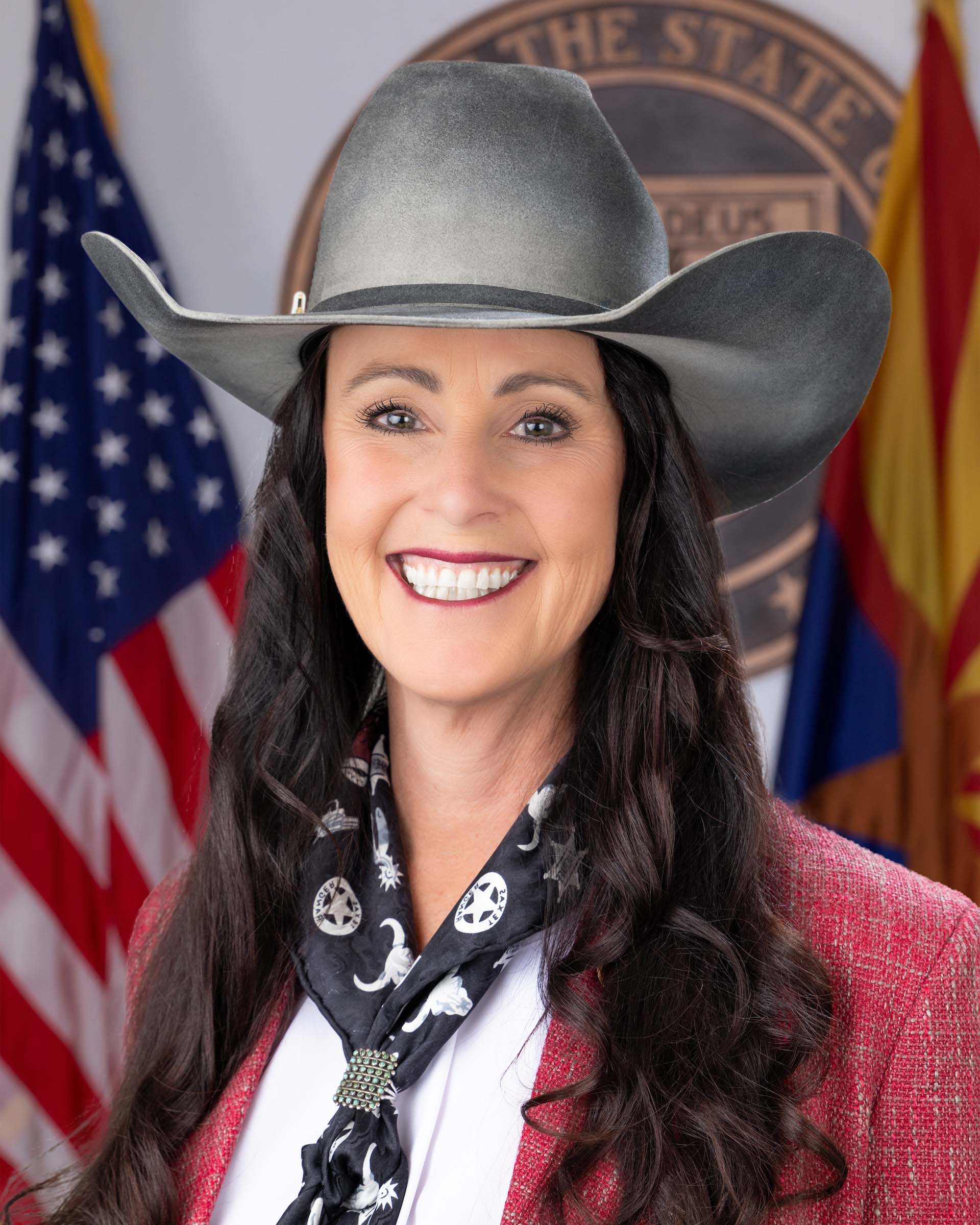
Sen. Janae Shamp
Sponsored bills
Maddy summarySB 1159 requires Arizona health insurers to create a program where enrollees who receive medically necessary services at prices below the insurer's usual reimbursement can get 50% of the difference back. The program applies the refund toward the enrollee's deductible and out-of-pocket maximum, or reimburses them via a health savings account (HSA), a 530A account, or cash. This directly affects health insurers and their policyholders who use in-network providers. The bill defines "usual reimbursement" as the amount insurers typically pay for covered services and specifies eligible facilities like hospitals and urgent care centers.
Maddy summaryArizona's SB 1070 directs the state Department of Health Services to research "Trump Derangement Syndrome" (defined as intense reactions to Donald J. Trump) and report on its origins, psychological/social impacts, and potential interventions. The research must examine how such reactions affect individuals, communities, and public discourse, with collaboration from mental health professionals and academic institutions. A report on findings and recommendations is required within one year, though the law expires December 31, 2027. The bill treats this as a public health study, not a policy change affecting specific groups.
Maddy summaryThis Arizona bill amends constable regulations to require constables to report deputy appointments to county boards of supervisors. It prohibits constables from working as private process servers outside their official duties and bans them from owning interests in private process-serving businesses. These changes directly affect elected and appointed constables in Arizona counties by clarifying their scope of work and preventing conflicts of interest. The law strengthens oversight of constable offices and aligns their restrictions with private process-serving industry rules. The bill was signed into law by the governor in July 2025.
Maddy summaryHB 2091 allows the Arizona Department of Water Resources to review pending applications for a "certificate of assured water supply" for land in the Phoenix Active Management Area (AMA) submitted between January 2021 and August 2023. It requires municipal water providers to annually report excess groundwater and offer 25% of it as water storage credits to the Central Arizona Groundwater Replenishment District (CAGRD), reducing their annual replenishment tax obligation. The bill also permits applications using older groundwater models (2006-2009) to meet physical availability requirements and retroactively dates approved certificates to 2023 for future water rights. The law expires on December 31, 2028.
Maddy summaryHCR 2055 is a voter referendum (not enacted law) proposing that Arizona declare drug cartels "terrorist organizations" under state law and direct the Arizona Department of Homeland Security to address this threat. It defines "drug cartel" as groups engaging in human smuggling, drug trafficking, or terrorism, and states that this declaration does not affect asylum claims under federal law. The resolution cites voter-approved Proposition 314 and findings about border security concerns, including fentanyl trafficking and border crossings by individuals on terrorist watchlists. This measure failed to pass in the June 27, 2025, vote and did not become law.
Maddy summaryHB 2704 redirects 82% of certain tax revenues to county stadium districts starting in 2026. Specifically, it directs the state treasurer to transfer these funds annually from tax revenues reported under Section 43-209, subsection D to the county stadium district fund established under Section 48-4231. This allocation applies to tax revenues collected under Title 42, Chapter 5 (transaction privilege tax) and runs from January 1, 2026, through December 31, 2056. The bill directly affects county stadium districts by creating a dedicated, long-term funding source for stadium-related projects and operations.
Maddy summaryHB 2133 creates a provisional nursing license pathway for out-of-state nurses moving to Arizona. It allows the Arizona Board of Nursing to issue a temporary license within five business days if applicants hold an active, unencumbered license in another state, pass background checks, and meet residency or employment requirements (e.g., working in Arizona or accepting a job offer). The provisional license is valid for six months and converts to a full license upon meeting standard requirements, unless the board determines safety concerns exist. Veterans and military spouses receive waived application fees under this provision.
Maddy summarySB 1057 (misnamed as "working animal; harm; classification" in the title, but actually about scrap metal transactions) requires scrap metal dealers to maintain detailed records of all transactions, including sellers' photos, physical descriptions, fingerprints, and ID verification. It bans on-site cash payments (requiring mailed checks instead), limits sellers to one cash transaction per day, and mandates dealers retain used catalytic converters in original form for seven days. The bill directly affects scrap metal dealers and sellers (requiring them to be at least 16 years old), with specific rules for transactions over $300 or involving certain materials like aluminum containers. The bill failed in the legislature on June 23, 2025.
Maddy summarySB 1621 increases penalties for certain drug offenses in Arizona, specifically targeting fentanyl sales and drug-related deaths. It mandates minimum prison sentences of 5 years (up to 15) for selling fentanyl in amounts of 200 grams or more, and 15 years (up to 25) if the sale contributes to another person's death. The bill also prohibits probation or suspended sentences for these offenses until the full term is served, and requires a minimum $2,000 fine or three times the drug's value. It directly affects individuals convicted of selling narcotics under these specific circumstances, particularly fentanyl distributors and those whose actions cause fatalities.