

Maddy summaryHB 2121 would have required most working-age Arizona residents (under 60) receiving SNAP benefits to join a state-approved work or job training program, unless they met specific exemptions like caring for young children, being a full-time student, working 30+ hours weekly, or participating in addiction treatment. The bill aligned with federal SNAP rules (7 U.S.C. § 2015(d)) but added Arizona-specific implementation through the Department of Economic Security. Exemptions included parents of children under six, students enrolled half-time, and those already meeting federal work registration requirements. The bill passed the Arizona legislature in April 2025 but was vetoed by the governor on May 6, 2025, preventing it from becoming law.
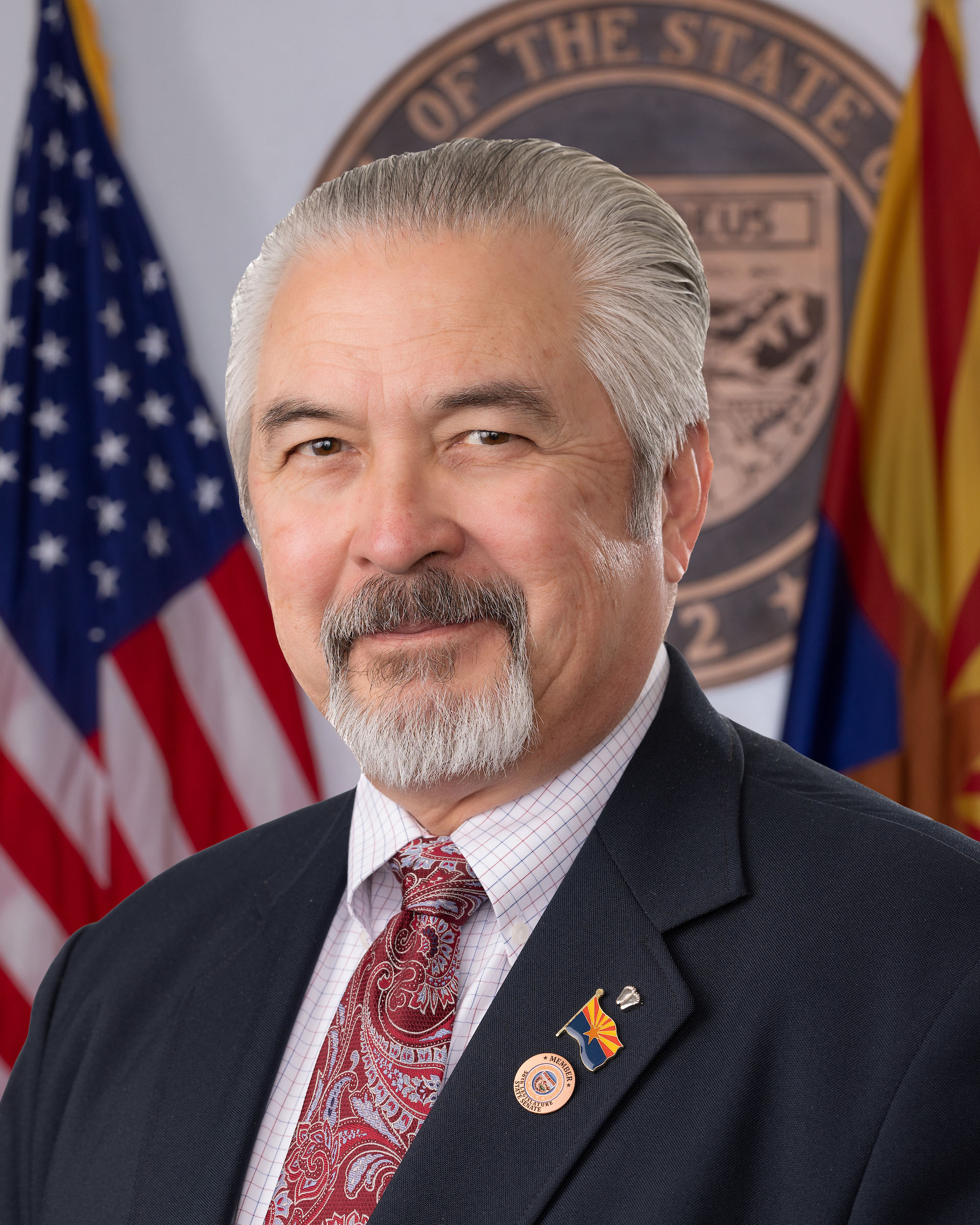
Sen. Frank Carroll
Sponsored bills
Maddy summaryArizona's HB 2122 prohibits the state's Department of Economic Security from seeking or accepting federal waivers for SNAP (food assistance) work requirements for able-bodied adults without dependents unless specifically authorized by Arizona state law. It also blocks the department from granting exemptions to these work requirements under federal law without prior state authorization. The bill directly affects how Arizona administers its SNAP program by requiring legislative approval for any waiver or exemption related to work requirements. The bill passed the legislature in April 2025 but was vetoed by the governor on May 6, 2025, so it did not become law.
Maddy summaryHB 2450 adjusts Arizona's unemployment insurance benefit duration based on the previous quarter's unemployment rate. It replaces a fixed 26-week maximum with a variable system: beneficiaries receive 16-26 times their weekly benefit amount depending on whether the unemployment rate was 5.5%-6%, 6%-6.5%, 6.5%-7%, 7%-7.5%, 7.5%-8%, or above 8%. The bill also caps total annual benefits at one-third of the claimant's base period earnings. This bill directly affects unemployed Arizonans seeking state unemployment benefits and was passed by the legislature in April 2025 but vetoed by the governor on May 6, 2025.
Maddy summarySB 1235 amends Arizona statutes governing membership on three health regulatory boards (podiatry, chiropractic, and dental). It standardizes requirements including mandatory fingerprint-based criminal background checks for all members, specifies composition rules (e.g., requiring some members to be retired practitioners or laypersons), and sets term lengths and vacancy procedures. The bill directly affects the boards themselves by defining who can serve and how appointments are handled, with no changes to patient care standards or licensing requirements. Key mechanisms include requiring criminal checks via state/federal databases, limiting consecutive terms, and clarifying how vacancies are filled. The bill focuses solely on procedural governance of these boards, not on healthcare policy or patient outcomes.
Maddy summaryThis bill amended Arizona law to define "plant" as including non-thermal electric generating units (like solar or wind farms) with a capacity of 200 megawatts or more, alongside existing thermal units. It directly affects large-scale energy developers and the Corporation Commission, which regulates such facilities. The change clarifies which projects fall under the Commission's jurisdiction for siting and environmental review, without creating new requirements. The bill passed the legislature in April 2025 but was vetoed by the Governor on May 2, 2025, so it did not become law.
Maddy summarySB 1626 requires Arizona health insurers to include standardized notices about dispute resolution for "surprise" out-of-network medical bills in patient billing statements. It directly affects patients who receive unexpected out-of-network care and healthcare providers billing for such services. The law mandates that insurers provide clear written notices explaining how to dispute these bills, and directs the state department to post online resources about what constitutes a surprise bill and how to resolve disputes. This applies only to bills not covered by the federal No Surprises Act, ensuring Arizona’s process complements existing federal protections.
Maddy summaryHB 2449 updates Arizona’s Medicaid program (AHCCCS) eligibility verification rules and restricts temporary coverage. It requires monthly checks of lottery/gambling winnings ($3,000+), death records, and residency changes via out-of-state card transactions, and quarterly reviews of employment, income, and tax data to verify eligibility. The bill bans self-attested eligibility without verification, prevents accepting federal exchange eligibility determinations without independent checks, and limits temporary coverage (presumptive eligibility) to children and pregnant women only. Hospitals making temporary eligibility decisions must notify AHCCCS within 5 days, help applicants complete full applications, and provide clear end-date notices to beneficiaries. These changes directly affect AHCCCS enrollees and hospitals participating in the program.
Maddy summarySB 1540 expands Arizona's homestead exemption to include mobile homes, park model trailers, houseboats, and similar shelter types (plus their land) as qualifying primary residences, alongside traditional homes and condos. It maintains a $400,000 equity cap (adjusted annually for inflation using the CPI), protects cash proceeds from homestead sales for 18 months, and automatically applies the exemption to new primary residences formed from those proceeds. The bill replaces prior law by explicitly adding these shelter types to the exemption list and clarifying how the exemption applies to refinancing and sales. It directly affects Arizona residents owning qualifying primary dwellings, including those in mobile home communities or waterfront properties.
Maddy summarySB 1443 establishes a "parental bill of rights" in Arizona law, directly affecting parents of minor children and government entities like schools, healthcare providers, and child welfare agencies. It codifies specific parental rights - including control over education, health care decisions, access to medical records, and notification of suspected child-related incidents - and prohibits government interference without meeting a strict legal standard. The bill adds a new provision allowing parents to sue for compensatory damages of at least $2,500 per violation if government entities unlawfully interfere with these rights. Despite passing the legislature in April 2025, it was vetoed by the Governor on May 2, 2025, and did not become law.
Maddy summarySB 1444 adds a specific exemption for helium exploration and production wells from Arizona's aquifer protection permit requirements. It allows these wells to operate without a permit if they are designed, constructed, operated, and maintained to prevent contaminant discharge into aquifers. This directly affects helium exploration companies by reducing regulatory barriers for their operations. The exemption applies only to wells meeting the strict "no contaminant discharge" standard, leaving other groundwater protection rules unchanged. The bill passed in May 2025 and aligns with Arizona's policy supporting helium resource development.