

Maddy summaryThis bill establishes specific dates for holding local elections in Arizona, including those for bond measures, to consolidate voting on a limited number of days. It mandates that most local elections, such as those for schools and special districts, occur on the second Tuesday in March, the third Tuesday in May, or the first Tuesday after the first Monday in November. The legislation also requires that bond election orders be published or posted at least fifteen to thirty days before the vote and sets a threshold of sixty percent voter approval for issuing tax-secured bonds. Additionally, the bill clarifies that bond election expenses must be paid from current operating funds rather than the bond proceeds themselves.
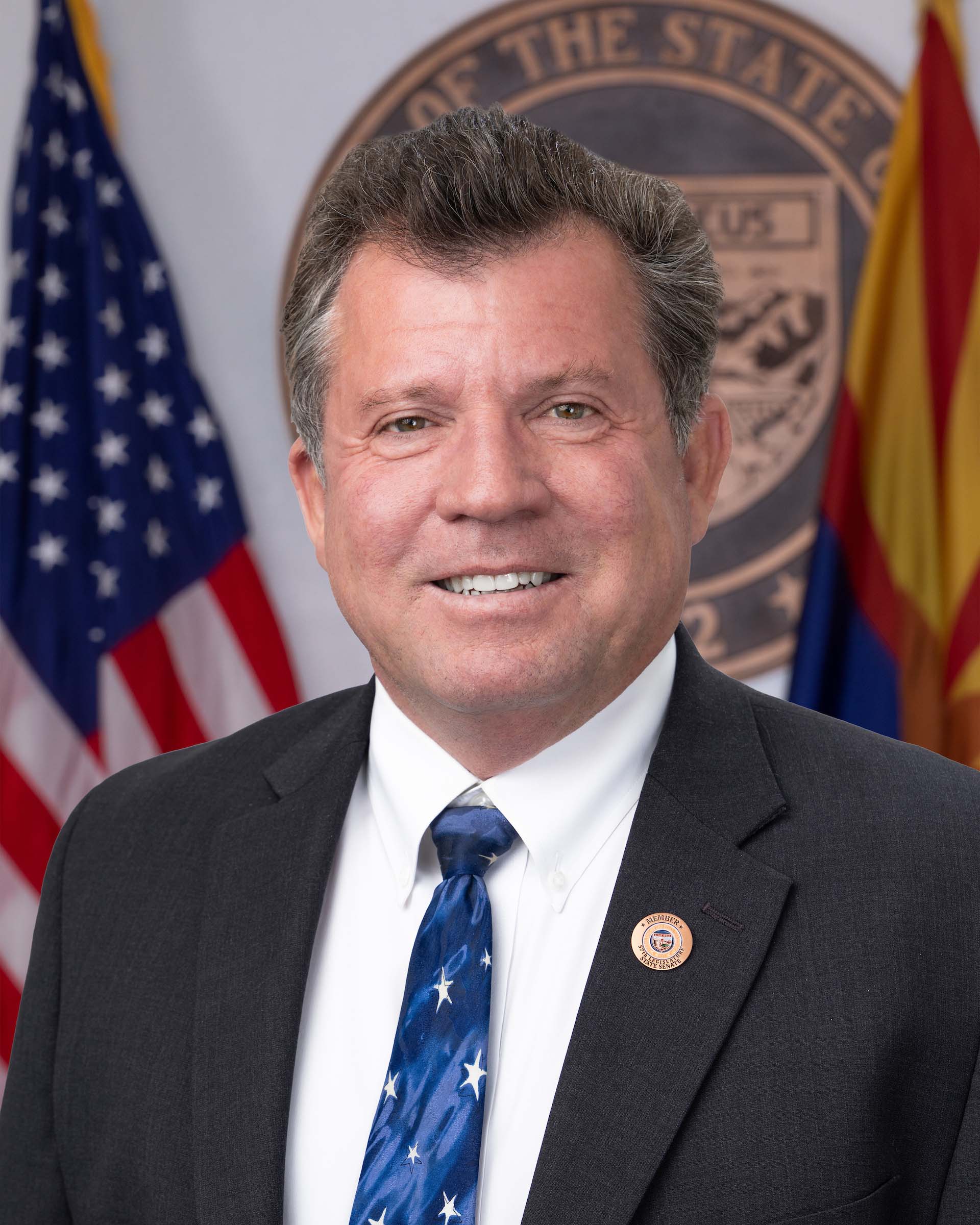
Sen. Tim Dunn
Sponsored bills
Maddy summaryThis bill amends state laws regarding building permits and land divisions to clarify how counties regulate utility access and approve small-scale land splits. It prevents counties from denying building permits based on which utility provider a project chooses and requires permit fees to be the same regardless of the utility selected. Additionally, the bill streamlines the approval process for dividing small parcels of land by setting specific criteria for access and utility easements while limiting the number of lots that can be created in a single division. These changes directly affect local governments, construction applicants, and property owners by standardizing rules and reducing potential barriers to development.
Maddy summaryThis bill requires Arizona cities, towns, and counties to report large settlement agreements to state officials before they are finalized. Specifically, any settlement of $500,000 or more must be reported to the governor and legislative leaders, while agreements of $1,000,000 or more must also be reviewed by the joint legislative budget committee. If a local government fails to submit a proposed settlement of $1,000,000 or more for this review, the agreement cannot become legally binding. The law defines these settlements as legally binding documents resolving lawsuits but excludes personal injury claims and certain construction disputes. Additionally, the bill declares that such contracts are a matter of statewide concern due to their impact on public finances.