

Maddy summaryThis bill establishes a sunset provision for Arizona's State Natural Resource Conservation Board, requiring it to cease operations by July 1, 2032, and repeals the specific statutes governing its existence. While the board itself is set to dissolve, the legislation simultaneously reorganizes the state's natural resource conservation districts by transferring their existing laws from the Department of Environmental Quality to the Department of Land. Additionally, the act updates the definitions within the relevant statutes to clarify terms such as "landowner" and "irrigation district" to ensure consistency across state agencies. These changes effectively modernize the administrative structure for conservation districts while setting a future deadline for the overseeing board.
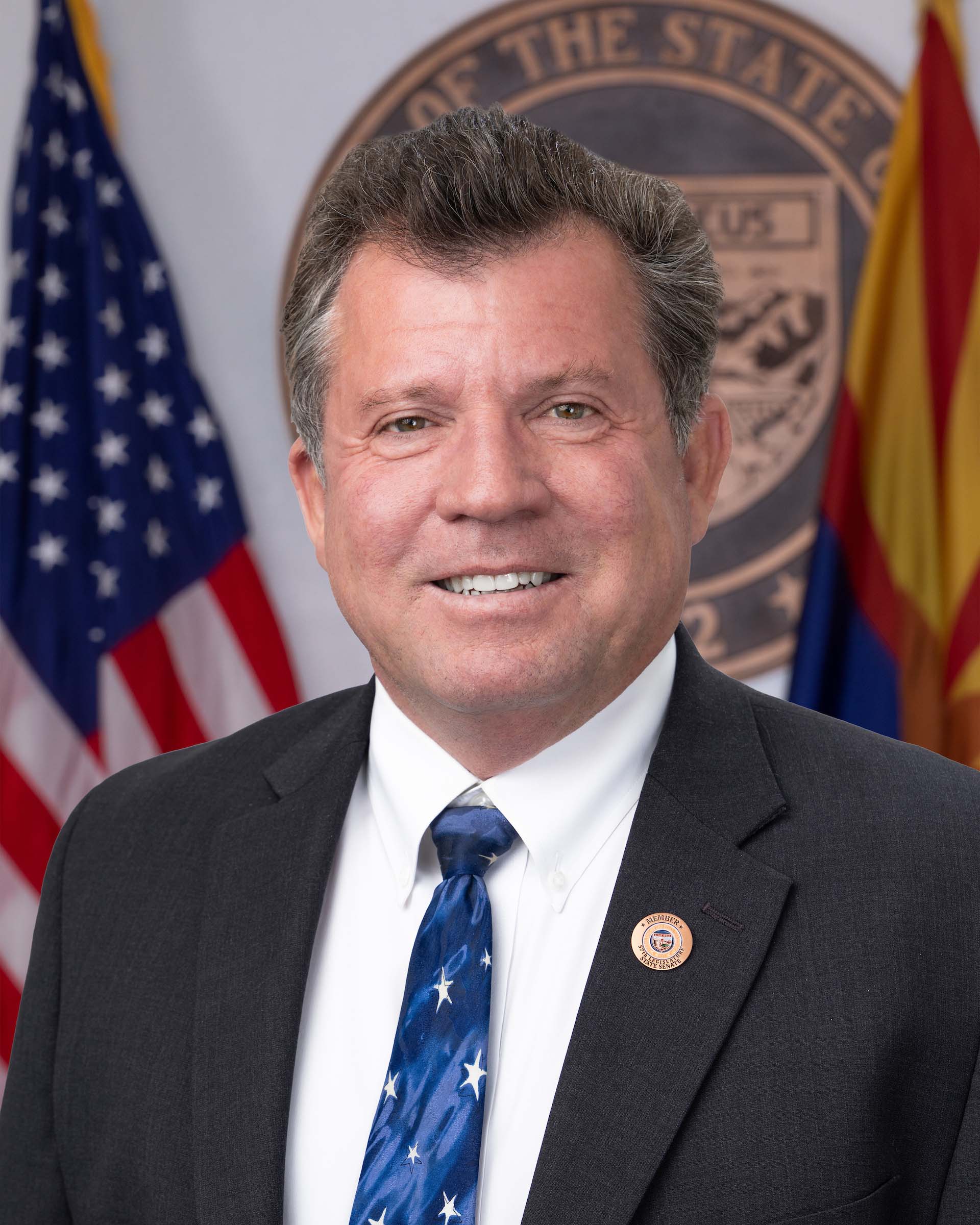
Sen. Tim Dunn
Sponsored bills
Maddy summaryThis bill allows the Arizona State Land Department to accept bids for state land auctions through electronic means, such as online platforms. It directly affects bidders by permitting them to participate remotely and requires the department to include links or instructions in auction notices to access these electronic bidding options. The legislation also mandates that the department adopt specific rules to ensure internet access for online auctions, verify bidders have sufficient funds, and confirm their legal eligibility to bid. Additionally, the law clarifies that the department is not liable for technical failures caused by internet issues, acts of God, or other unforeseen events that prevent a bidder from participating. Finally, the bill requires the department to publish a report of each sale on its website and allows for the cancellation of a sale if circumstances change before a final bid is accepted.
Maddy summaryThis bill establishes a housing trust fund in Arizona to support affordable housing for low- and moderate-income households, with a specific requirement that a portion of the money be used exclusively for rural areas. The fund is financed through unclaimed property, transfers from other state accounts, and investment earnings, which the state treasurer will manage. Money from the fund can be used to build or renovate housing facilities and provide assistance for individuals with serious mental illness, while the director must prioritize projects that help families with children. The bill also mandates annual reports to the legislature detailing how the funds were spent and requires the department to consult with local governments before starting construction projects. Finally, the legislation exempts these funds from certain state appropriation rules and allows up to 10% of the fund to be used for administrative costs.
Maddy summaryThis bill technically corrects the title and applicability section of an existing Arizona statute regarding conservation easements, rather than introducing new policy changes. It amends the text of Arizona Revised Statutes Section 11-811 to clarify how the law applies to zoning ordinances and conservation easements. The amendment ensures that the legal framework for local zoning regulations aligns properly with the state's conservation easement provisions. As a technical correction, the bill does not alter substantive rules or create new obligations for residents, businesses, or government officials.
Maddy summaryThis bill allows the Arizona Department of Water Resources to designate specific areas within Phoenix as having an assured water supply, which could exempt them from certain development restrictions. To qualify, a city or town must prove it has a long-term water contract with an irrigation district, possesses enough surface water or treated wastewater for at least a century, and demonstrates the financial ability to build necessary delivery and storage systems. The director retains the authority to review and revoke these designations if the water supply is no longer guaranteed.
Maddy summaryThis bill proposes a referendum to ban foreign governments and non-governmental sources from donating money or services to Arizona election administration or ballot measure campaigns. It requires vendors and service providers to submit sworn certifications confirming they have not accepted such foreign contributions, with annual updates and quarterly reporting to the Secretary of State. Violations of these rules could result in the invalidation of contracts, misdemeanor charges, and civil lawsuits allowing private citizens to seek damages and injunctions. The legislation explicitly excludes federally recognized sovereign tribal nations from the definition of foreign sources.
Maddy summaryThis bill proposes to declare drug cartels as terrorist organizations within Arizona state law. It directs the Department of Homeland Security to take all actions within its authority to address the threat posed by these groups. The legislation defines a drug cartel as an association involved in human smuggling, drug trafficking for profit, or acts of terrorism, and defines a threat as anything harming individual rights or public safety. If approved by voters, this change would formally categorize drug cartels alongside terrorist organizations for legal and enforcement purposes.
Maddy summaryThis bill corrects a technical error in the Arizona Revised Statutes regarding permits for underground water storage facilities. It clarifies the rules for applying to operate these facilities and outlines specific conditions the state director must check before issuing a permit, such as ensuring the project is hydrologically feasible and will not harm land or other water users. The update also details how a facility might be designated to benefit national or state parks by maintaining minimum water flow in nearby streams. Additionally, it specifies that facilities exempt from certain aquifer protection rules may still require additional monitoring and maintenance requirements.
Maddy summaryThis Arizona bill establishes a formal licensure system for anesthesiologist assistants, allowing them to legally practice under the supervision of a licensed anesthesiologist. To obtain a license, applicants must graduate from an accredited program, pass a national certification exam, and pay required fees, with licenses valid for two years. The law defines the specific medical tasks these assistants can perform, such as developing anesthesia care plans, evaluating patients, and administering medications, while ensuring a supervising anesthesiologist remains immediately available to intervene if necessary.
Maddy summaryThis bill amends Arizona laws to update the powers and duties of the state board overseeing professional registrations, such as engineers and architects, while also repealing an outdated statute. The changes clarify that the board can only take disciplinary action against a professional if the person filing the complaint has a substantial connection to the individual being accused. Additionally, the bill sets new requirements for home inspector certification, including mandatory errors and omissions insurance or a financial bond, and establishes automatic suspension or revocation of a home inspector's license if they fail to maintain this financial assurance.