

Maddy summarySB 1708 prohibits Arizona cities, counties, and state-owned property from being used for civil immigration enforcement without a valid judicial warrant. It bans local and state governments from allowing immigration officers to use parking lots, garages, or vacant lots as staging areas, processing sites, or bases for enforcement operations. Within 30 days of the law taking effect, all affected government entities must post clear signage at public entrances stating the property cannot host immigration enforcement without a warrant. The law also requires immigration officers to show a warrant before questioning, detaining, or arresting anyone on government property. This directly affects local governments and their property management practices regarding immigration enforcement activities.
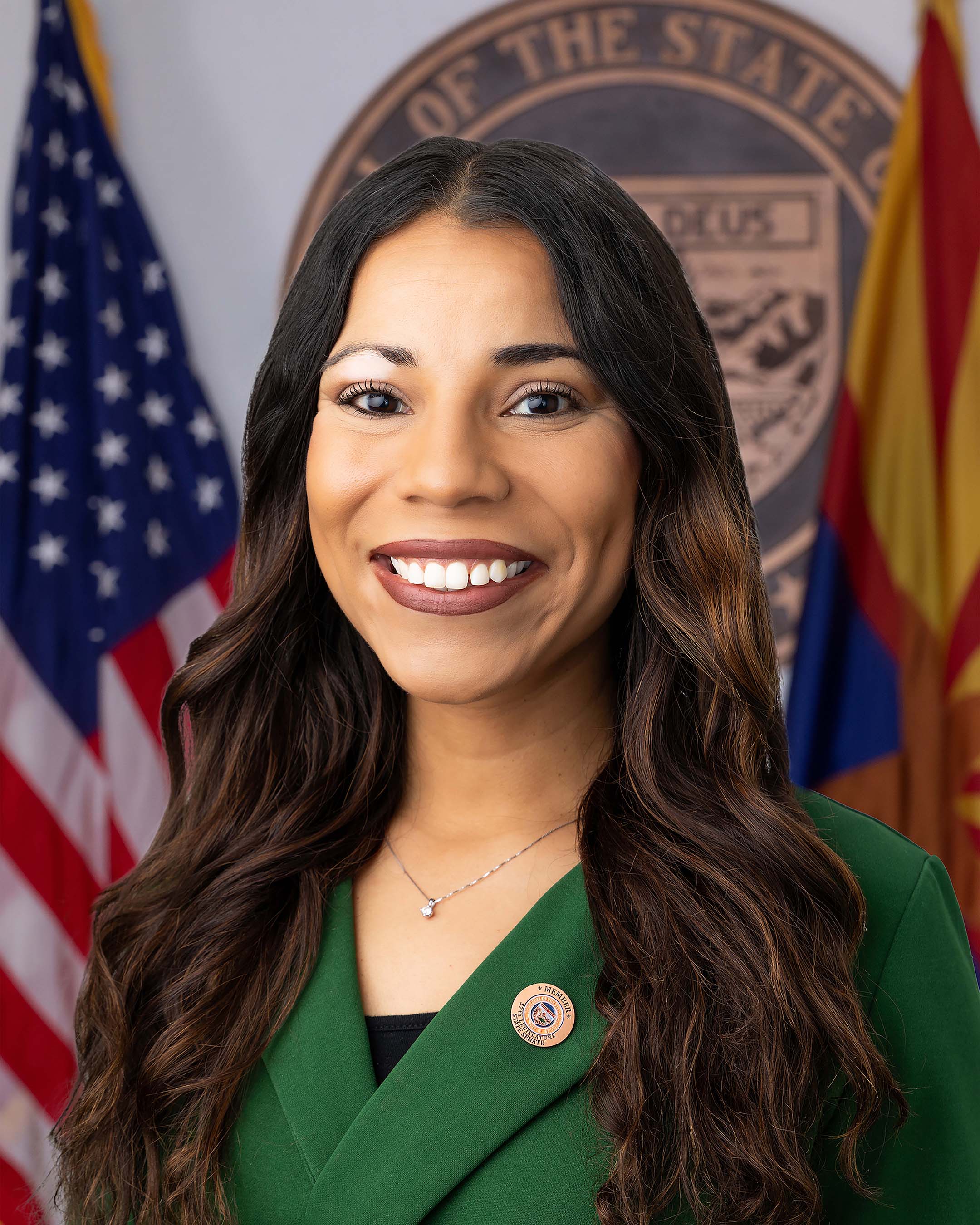
Sen. Analise Ortiz
Sponsored bills
Maddy summarySB 1797 prohibits manufacturers and distributors from engaging in "price gouging" on specific essential off-patent or generic drugs, defined as drugs without patent protection, listed by WHO or the U.S. as essential, and sold by few manufacturers. It directly affects drug companies selling these medications in Arizona, requiring them to justify price increases exceeding 50% within a year or exceeding $80 for basic treatment (e.g., 30-day supply). The state’s Medicaid program can trigger investigations for such increases, prompting manufacturers to submit cost breakdowns within 45 days. If violations are confirmed, the attorney general can seek court orders for restitution, injunctions, or civil penalties up to $10,000 per violation. The bill focuses on transparency and accountability for price hikes impacting affordability, not on altering drug approval or insurance coverage.
Maddy summarySB 1697 prohibits Arizona public schools from shaming or treating students differently due to unpaid meal fees, ensuring all students receive the same meals regardless of payment status. It specifically bans school staff from serving different meals (except for dietary/religious needs) or taking disciplinary action that denies students nutritious meals meeting state nutrition standards. The law directly affects students with unpaid meal fees and requires schools to maintain equal treatment and meal access during the instructional day. This policy change focuses on preventing stigma and ensuring consistent access to required meals, without altering meal eligibility or financial assistance processes.
Maddy summarySCR 1046, if approved by Arizona voters, would require public schools to identify students needing English language support, assess their proficiency, and provide structured English immersion programs with specific daily time requirements (120 minutes for K-5, 100 minutes for grades 6-12). It directly affects school districts, charter schools, and English learners (students whose primary language is not English). Key provisions include mandating high-quality language programs, allowing parents to sue schools for noncompliance, and requiring the state board to adopt research-based teaching models. The bill would replace existing laws on English learner education and needs voter approval to become law.
Maddy summarySCR 1042 proposes to repeal the constitutional requirement that Arizona school districts must adhere to spending limits based on 1979-80 expenditure levels adjusted for student population and cost of living. This would remove the existing framework where school districts' local revenue spending was capped by a formula calculated annually by the economic estimates commission. The bill specifically targets Section 21 of Article IX in Arizona's constitution, which currently governs these expenditure limitations for both school districts and community college districts. If passed, this repeal would eliminate the need for districts to calculate or comply with these historical spending caps, though it does not create new spending rules. The bill is a constitutional amendment proposal requiring voter approval, not a direct legislative change to current spending policies.
Maddy summarySCR 1045 proposes an amendment to Arizona's Constitution to establish rules for managing state land trust funds. It requires separate permanent funds for different land grants, restricts fund transfers, and sets investment limits (e.g., max 60% in equities). The bill specifies annual distribution rates: 2.5% of fund value for most years, increasing to 6.9% for a set period (2015-2016 through 2024-2025), with excess funds directed toward basic state aid. Adjustments to distributions automatically occur if fund values decline, preserving capital safety. This applies to all state land trust funds managed under Arizona's constitutional framework.
Maddy summarySCR 1044 is a proposed constitutional amendment (not yet law) that would establish annual spending limits for Arizona school and community college districts. It requires the Economic Estimates Commission to calculate each year's spending cap based on 1979-80 local revenue spending, adjusted for student population and cost of living. The amendment defines "local revenues" broadly (excluding bonds, federal grants, tuition, and certain other funds) and would prohibit districts from exceeding these caps without a legislative exception approved by a two-thirds vote. This would directly affect all Arizona public school and community college districts by limiting their annual spending on local funds.
Maddy summarySCR 1043 is a proposed constitutional amendment that would establish a statewide spending cap for all Arizona public school districts. It requires the state to calculate an annual limit based on 1979-1980 local spending adjusted for student population changes and inflation, then multiplied by 1.10. School districts would generally be prohibited from exceeding this cap for local revenue expenditures, though the legislature could override it with a two-thirds vote. The cap excludes specific funding sources like bond proceeds, federal grants, and certain local taxes, focusing only on other local revenue streams.
Maddy summarySB 1405 allows Arizona citizens to file lawsuits to enforce environmental laws when their interests are harmed by violations. It requires plaintiffs to provide 120 days' notice to both the environmental director and the alleged violator before suing, and bars lawsuits if the state is already investigating or prosecuting. The bill also lets citizens intervene in state enforcement actions and permits courts to award attorney fees to prevailing parties and collect civil penalties. These penalties must be deposited into Arizona's Water Quality Assurance Revolving Fund. The law aligns with federal environmental citizen suit provisions (33 U.S.C. § 1365).
Maddy summarySB 1660, the "Immigration Safe Zones Act," requires Arizona's Attorney General to create policies within 60 days that limit state agency cooperation with federal immigration enforcement. These policies must protect specific public facilities - including public schools, community colleges, universities, libraries, courts, and publicly funded healthcare centers - from being used for immigration enforcement actions. The bill also mandates that state agencies remove all questions about immigration status from applications, questionnaires, or forms related to public services or education within 60 days. It defines "immigration enforcement" broadly to include federal efforts targeting individuals' presence, entry, or employment in the U.S. The law directly affects state agencies, public institutions, and residents seeking services at protected facilities.