

Maddy summarySB 1782 requires Arizona's child welfare agency (the Department of Child Safety) to notify law enforcement and specific databases within 24 hours when a child in state care or under court supervision goes missing, is abducted, or runs away. It mandates reporting to the National Center for Missing and Exploited Children, contacting family members, caregivers, and school staff, and sharing detailed information (like photos, clothing, and last locations) with media and social media within 48 hours. The bill also requires ongoing weekly updates to law enforcement, age-progression images for children missing over two years, and staff training on search protocols. This directly affects children in foster care or under court supervision, their families, law enforcement, and the National Center for Missing and Exploited Children.
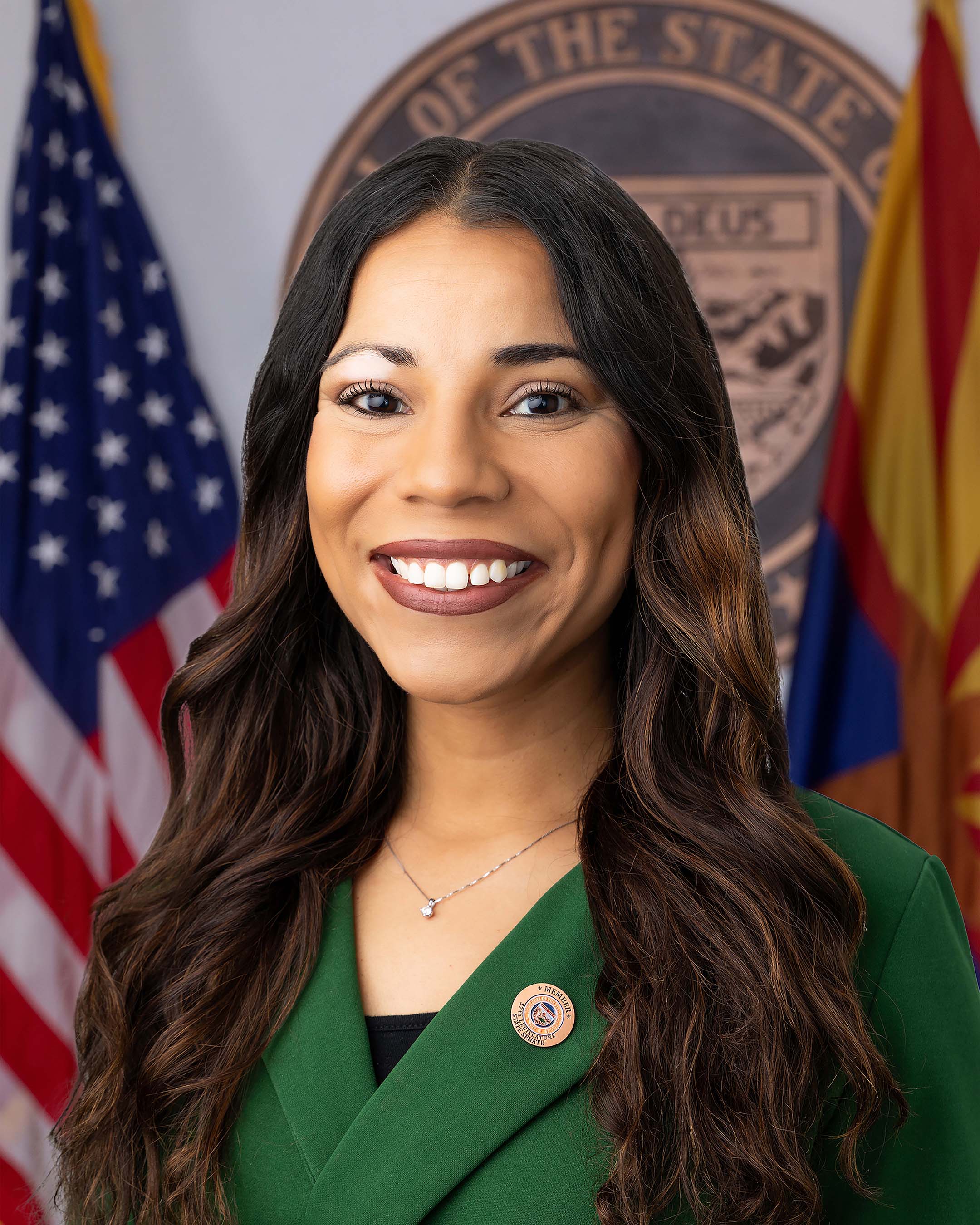
Sen. Analise Ortiz
Sponsored bills
Maddy summarySB 1703 requires Arizona's Department of Education to provide parents with a clear written notice of legal rights they waive when enrolling a child in an Empowerment Scholarship Account (ESA) program. It mandates annual random reviews of ESA accounts to verify compliance with program rules and establishes a 15-day period for parents to correct issues before an account can be suspended. The bill also creates a formal appeals process to the State Board of Education for parents challenging administrative decisions about their ESA account, requiring the department to post this process online. These changes strengthen oversight while clarifying parental responsibilities in the ESA program.
Maddy summarySB 1700 requires verified fingerprints for educators and tutoring staff in Arizona schools. It mandates that new teachers, charter school staff, and contracted tutors submit fingerprint cards processed through the Department of Public Safety (DPS), including identity verification using photo ID. The law creates a digital fingerprint system to avoid duplicate submissions for renewals, allowing DPS to reuse existing verified prints unless they're damaged or lost. It excludes teacher candidates in approved programs without field experience in Arizona.
Maddy summaryArizona's SB 1705 establishes new class size limits for public schools, requiring all schools to adopt policies by the 2031-2032 school year. It sets specific average and maximum class sizes: K-3 (18/21), 4-8 (22/27), 9-12 (25/30), and Career Technical Education (20/25), with exceptions for music classes and waiver requests. The bill also creates a dedicated "classroom site fund" to finance these changes, requiring school districts to use funds for class size reduction, teacher compensation (including performance-based components), teacher development, and dropout prevention. These policies directly affect all Arizona public schools and their funding allocations starting in 2031-2032.
Maddy summarySB 1717 prohibits businesses from collecting or using individuals' biometric data (like fingerprints, facial scans, or voiceprints) for commercial purposes without first obtaining clear consent and informing them. It requires businesses to securely store this data, not sell or share it without specific exceptions (such as completing a financial transaction), and destroy it within a year after the purpose ends or when legally required documents expire. The law directly affects companies using biometric technology for services, marketing, or other commercial applications. Violations carry civil penalties up to $25,000 per incident, enforceable by the Arizona Attorney General.
Maddy summaryThis Arizona bill requires health insurers to cover clozapine medication for patients with psychiatric disorders without denying, discontinuing, or rationing it. Insurers must also provide access to alternative blood monitoring methods - like mobile services or in-home testing - upon patient request, without denying coverage based on cost or location. Patients can legally waive or modify routine blood tests after receiving risk counseling and written consent, and providers cannot withhold clozapine for this reason unless an immediate medical risk exists. The bill applies to both private health insurance and county jails/state prisons, ensuring consistent access for inmates prescribed clozapine.
Maddy summaryThis bill prohibits price gouging on essential goods and services during a declared state of emergency in Arizona. It makes it unlawful to sell items like food, water, electricity, medical supplies, or rent at prices 10% higher than the highest price charged 30 days before the emergency was declared. Violations are classified as felonies: selling for $500+ in 24 hours is a class 5 felony, while smaller amounts are class 6 felonies. The attorney general enforces these rules under existing consumer protection laws. The bill directly affects businesses selling essential items during emergencies.
Maddy summarySB 1692 clarifies eligibility requirements for Arizona's Empowerment Scholarship Account (ESA) program, which provides state-funded tuition assistance for students attending private schools. It directly affects students with disabilities (per IDEA or state disability definitions), children from schools rated "D" or "F," military-connected children, foster youth, and those from low-income households eligible for free lunch. Key provisions update definitions to specify how students qualify (e.g., requiring online students to log minimum instructional hours) and ensure schools receiving funds meet safety and non-discrimination standards. The bill modifies existing statutes without creating new funding, focusing on administrative clarity for the current ESA program.
Maddy summarySB 1699 establishes Arizona Empowerment Scholarship Accounts (AESA) to provide public funds for K-12 education outside public schools. It directly affects parents of qualifying students who choose to withdraw from public school districts or charter schools and use AESA funds. The bill specifies that account monies can cover tuition at qualified schools, textbooks, educational therapies (for students meeting specific disability criteria), tutoring, approved curricula, and other education-related expenses like transportation and assistive technology. Parents must agree not to enroll students in public schools, accept concurrent private scholarships, or homeschool while using AESA funds.
Maddy summarySB 1706 establishes standards for Arizona's online instruction programs. It requires online schools to meet specific criteria for curriculum, student safety, and teacher qualifications before approval, and places new online schools on probation for up to three years until they demonstrate academic improvement. The bill mandates annual reporting to the state education department on student performance and daily attendance logs, and sets funding rules: full-time online students receive 95% of standard funding, while part-time students receive 85%. It directly affects online schools, students enrolled in virtual programs, and school districts managing hybrid enrollment. The bill does not relate to full-day kindergarten as implied by its title, but instead focuses on online education accountability and funding.