

Maddy summarySB 1572 creates a dedicated "tribal community college operations fund" to provide ongoing state funding for tribal community colleges in Arizona. The bill appropriates $13,333,333 annually from the state general fund for fiscal years 2025-2026 through 2027-2028, directly benefiting tribal community colleges by covering their operational expenses and program development costs. Funds in the new account are exempt from standard appropriation lapsing rules and can be used for instructional programs, staff, facilities, and other core operations. The Department of Administration will manage the fund and distribute the money, ensuring consistent financial support for these institutions.
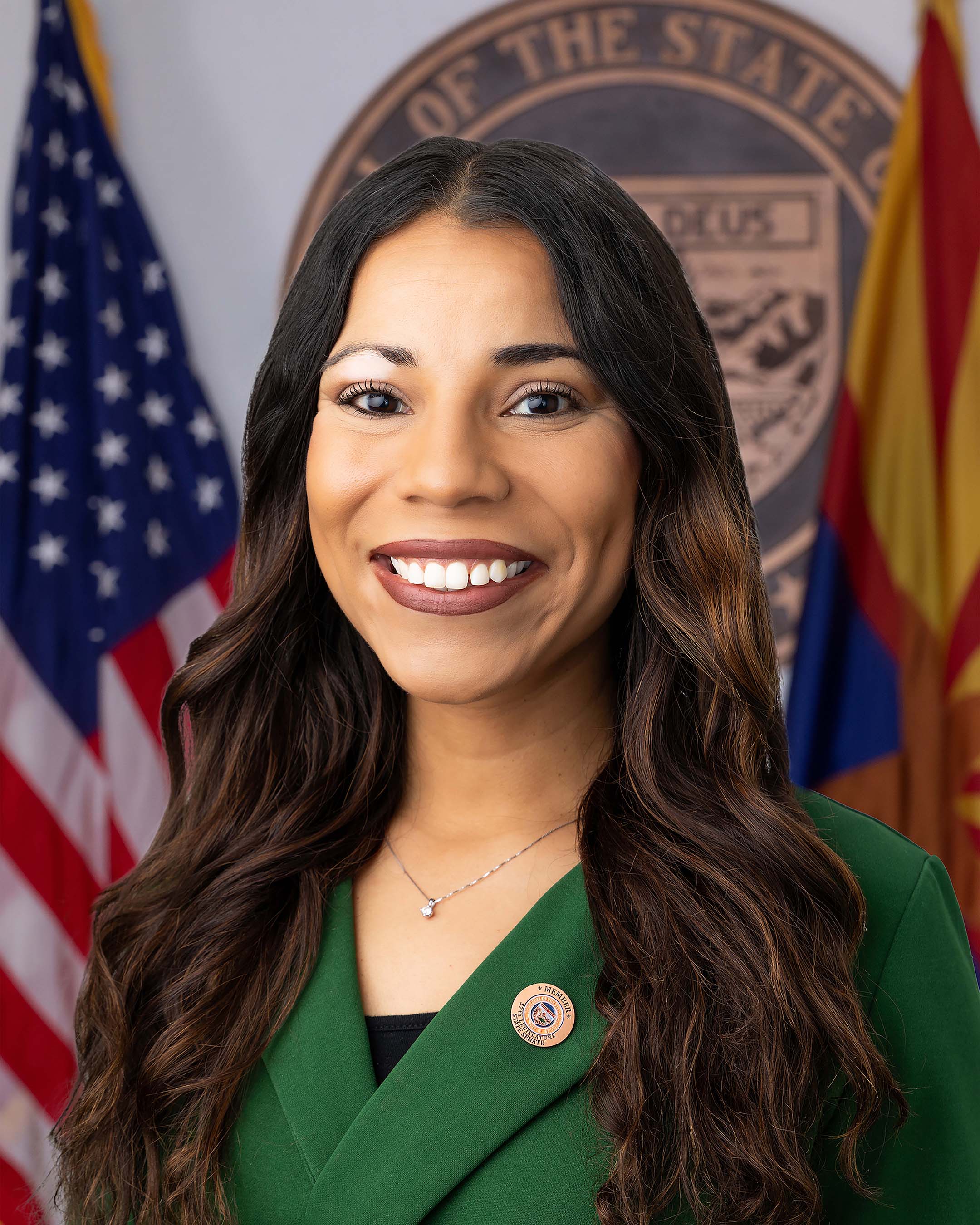
Sen. Analise Ortiz
Sponsored bills
Maddy summarySB 1570 establishes clear standards for validating mental health care powers of attorney in Arizona. It requires inpatient behavioral health facilities to presume such documents are valid if notarized/witnessed (with proper witness rules) or if using the state's official form from the attorney general's website. Starting October 1, 2026, facility staff must complete annual training on these requirements, developed by the attorney general's office. The bill directly affects patients in behavioral health facilities, their designated agents, and the facilities themselves by standardizing document acceptance and staff knowledge.
Maddy summarySB 1553 repeals four existing Arizona laws that previously restricted abortion access and amends Section 15-115.01 to prohibit abortions at public educational institutions (including public colleges, universities, school districts, charter schools, and specialized schools) except when necessary to save the pregnant person's life. This bill directly affects all public educational facilities in Arizona by banning abortion services on their premises under most circumstances. The key provision establishes a clear exception only for life-threatening medical emergencies, aligning with existing definitions of "medical emergency" from Arizona law. The bill does not change abortion access outside of these public educational settings.
Maddy summarySB 1576 appropriates $8 million from Arizona's state general fund for fiscal year 2025-2026 to fund the development and construction of an environmental testing laboratory at Navajo Technical University. The bill directly affects Navajo Technical University, providing it with state funding to build this facility. Key provisions include the specific dollar amount, the funding source (state general fund), and the purpose (environmental testing laboratory construction). This is a concrete funding measure with no additional policy changes beyond the allocation.
Maddy summarySB 1569 requires all staff at Arizona behavioral health facilities to complete annual training starting October 1, 2026, on two key topics: the rights of legal guardians (per Arizona law) and state/federal confidentiality rules, including federal health privacy law (HIPAA). The bill updates Arizona's mental health record disclosure rules to clarify 15 specific situations where sharing patient information is permitted without consent, such as for treatment, court orders, or preventing immediate harm. This directly affects staff at mental health facilities and ensures patient privacy is protected while allowing necessary disclosures for care and safety. The policy changes focus on standardizing staff knowledge and transparently defining when confidential records may be shared.
Maddy summarySB 1702 clarifies Arizona's regulatory framework for hemp by updating definitions and creating a licensing system for hemp-related activities. It defines "hemp-derived products" (including edibles, vapes, and topicals containing regulated cannabinoids like delta-8 THC) and sets strict limits: products must contain less than 0.3% THC and exclude certain items like hemp seed or non-consumption products. The bill directly affects growers, manufacturers, retailers, and processors who must obtain licenses from the Arizona Department of Agriculture to legally operate. Key provisions establish clear rules for commercial hemp production, ensuring it aligns with federal law while maintaining separation from marijuana regulation.
Maddy summaryArizona's SB 1573 amends state law to define and standardize community-based mental health residential treatment programs. The bill establishes five specific program types: short-term crisis care (up to 14 days), long-term residential treatment (up to 2 years), secure facilities for court-ordered cases, partially supervised group living (3-5 people), and socialization/day care programs. It requires facilities to provide services like family support, job training, benefits assistance, and crisis referrals while prioritizing the least restrictive setting for clients. The law directly affects residential treatment facilities and individuals with serious mental illness who need structured community-based care instead of hospitalization.
Maddy summarySB 1563 appropriates $6 million from Arizona's state general fund for fiscal year 2025-2026 to the Navajo Nation. This funding covers the design, construction, maintenance, and operation of the Tuba City Diné Youth Multipurpose Complex project. The bill exempts this specific appropriation from standard state rules requiring annual re-approval (Arizona Revised Statutes § 35-190), ensuring the funds remain available for the project without needing yearly renewal. The bill directly affects the Navajo Nation, enabling them to develop a youth facility in Tuba City.
Maddy summarySB 1546 requires Arizona agricultural improvement districts to publicly post on their websites a listing of elected directors and a map (or similar tool) showing which directors represent specific residents. This transparency measure directly affects residents of agricultural districts who want to identify their local representatives. The bill mandates districts to make this information easily accessible online, ensuring residents can determine their district's governance structure. (This is a procedural bill focused on disclosure, not substantive policy changes.)
Maddy summaryHB 2350 allocates $7 million from Arizona's state general fund for fiscal year 2025-2026 to provide housing assistance to seniors aged 60 and older. The funds will be distributed by the Department of Economic Security to local area agencies on aging (which administer senior services under federal law). This bill establishes ongoing funding for this program beyond the current fiscal year and exempts the appropriation from standard budget lapsing rules. It directly affects elderly Arizonans by expanding access to housing support through existing senior service organizations.