

Maddy summarySB 1574 allocates $4 million in state funding for remedial education programs at two Arizona tribal colleges: $2 million each for Navajo Technical University and Diné College during fiscal year 2025-2026. The bill requires both institutions to submit annual reports by October 2026 detailing course completion rates for students receiving remedial education. It intends for this funding to continue annually beyond 2025-2026. The bill directly affects students enrolled in remedial education at these tribal colleges by providing dedicated funding for academic support. The legislation focuses on sustaining educational resources rather than altering policy or creating new requirements.
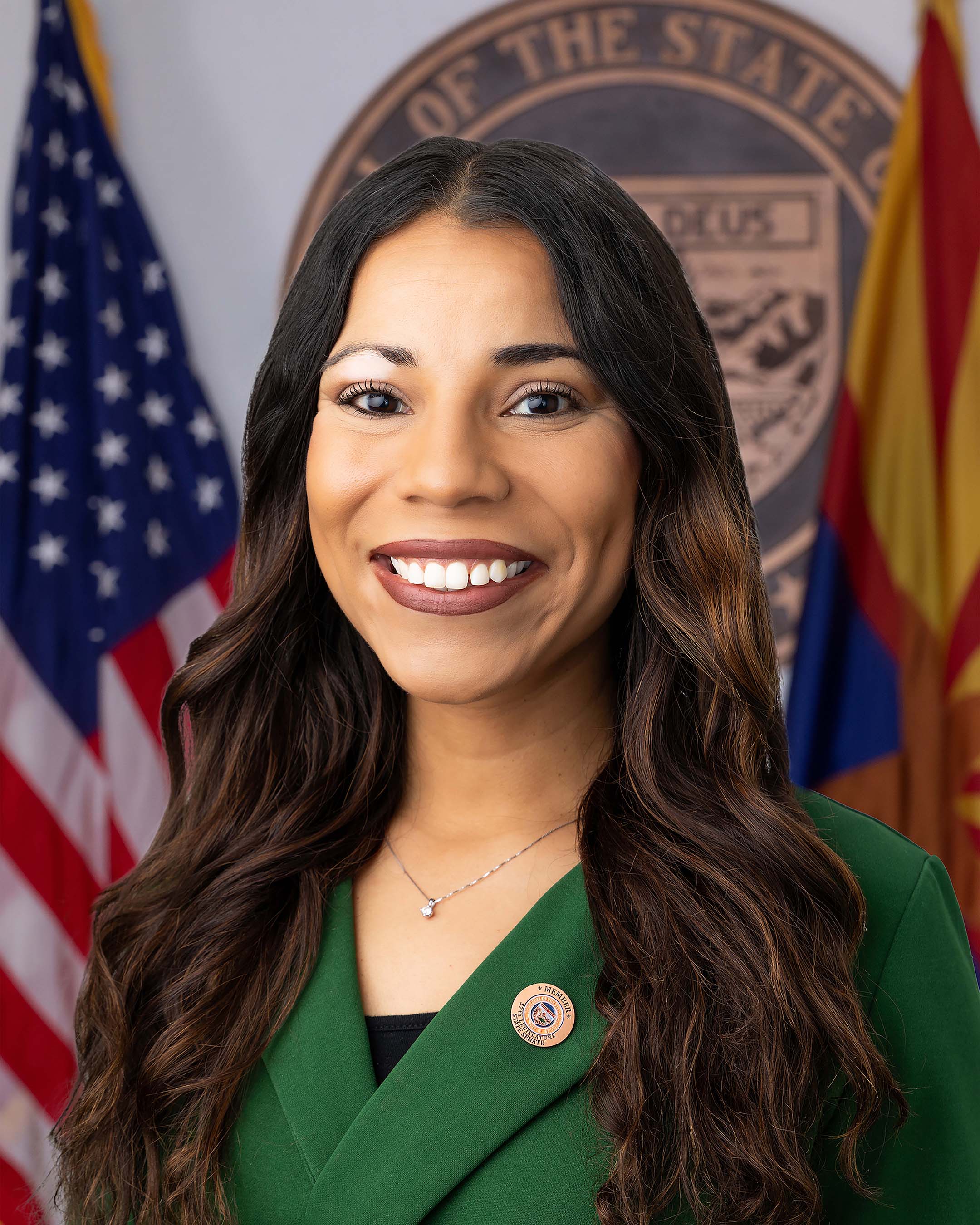
Sen. Analise Ortiz
Sponsored bills
Maddy summarySB 1651 makes it a crime for anyone to tamper with or open containers holding early voted ballots, except when election officials are performing their official duties. Violating this law is classified as a class 1 misdemeanor. The bill directly affects individuals who might interfere with ballot containers during early voting, excluding election workers. It focuses on preventing unauthorized access to ballot receptacles to protect voting integrity.
Maddy summaryArizona's SB 1577 appropriates $1.5 million from the state general fund for fiscal year 2025-2026 to the Department of Administration. This funding is specifically designated to support the Navajo Nation for the design, planning, and construction costs of the Fort Defiance senior center project. The bill directly affects the Navajo Nation by providing state financial resources for a community facility serving seniors in that area. It is a straightforward funding allocation with no additional policy provisions or requirements beyond the specified project costs.
Maddy summarySB 1554 creates the Arizona Rental Assistance Fund to help tenants who are behind on rent or anticipate falling behind. Tenants and landlords can jointly apply for up to three months of rent assistance, paid directly to the landlord, with eligibility covering future rent payments. The fund is financed by 10% of the state’s transaction privilege tax on prime contracting, administered by the Arizona Department of Housing, and limits assistance to one instance per household within any 12-month period. Landlords receiving assistance cannot evict tenants for the covered months or subsequent months included in the payment.
Maddy summarySB 1594 repeals Section 34-321 of Arizona law, which previously required applicants for environmental compatibility certificates (for projects like energy facilities) to comply with certain labor agreements, such as neutrality agreements or project labor agreements. The bill removes this requirement, meaning project applicants no longer need to negotiate or enter into such labor agreements as a condition for approval. This directly affects developers of energy projects seeking environmental permits in Arizona. The repeal focuses solely on eliminating this specific labor agreement mandate from the environmental review process.
Maddy summarySB 1652 makes it a crime to threaten, intimidate, or physically obstruct election officials in Arizona while they perform their duties. The bill prohibits verbal, written, or physical threats aimed at impeding election work or retaliating against officials (Section A), using threats of force or economic harm to influence them (Section B), or blocking access to voting locations or election facilities (Section C). Violations are classified as class 1 misdemeanors (Section E), and officials can file civil lawsuits seeking restraining orders or damages without proving the threat was intended to cause fear (Section D). This bill directly affects election workers, including board members, and aims to protect them from harassment during election administration.
Maddy summarySB 1547 establishes a mail-in ballot system as an alternative voting method for elections in Arizona's agricultural improvement districts. It requires election officials to mail ballots, return envelopes, and instructions to all eligible voters 90 days before an election, with ballots due by 7:00 p.m. on election day. Voters may also request ballots in person or vote at designated early voting locations until 7:00 p.m. on election day. This bill directly affects voters in agricultural improvement districts by providing a mail-based voting option alongside traditional in-person voting, streamlining the process for these specific districts.
Maddy summarySB 1552 allows Arizona courts to reduce prison sentences for adults convicted of felonies committed before age 25 who have served at least 15 years. Courts must consider factors like the defendant's youth, rehabilitation efforts, maturity, trauma history, and reduced culpability due to age before granting a reduction. If approved, the court can impose a sentence below the legal minimum but cannot set a life sentence. This applies specifically to felony convictions and requires written court reasoning for both granting and denying requests.
Maddy summarySB 1578 allocates $1 million from Arizona's general fund to the Navajo Nation for the Sawmill Intergenerational Learning Center. The funds cover design, planning, construction, maintenance, and operations of the facility. This appropriation is exempt from standard lapse rules, ensuring the money remains available for the project's full timeline without expiration. The bill directly affects the Navajo Nation by providing dedicated funding for this community-focused learning center.
Maddy summarySB 1548 establishes a temporary study committee to examine barriers to community land trusts in Arizona. The committee, appointed by legislative leaders and including land trust practitioners and higher education representatives, will study economic and developmental challenges and submit recommendations by December 31, 2025. This procedural bill does not create new policies or directly affect residents; it only authorizes a study to inform future legislative action. The committee’s work expires on June 20, 2026.