

Maddy summarySB 1276 updates Arizona's Children's Health Insurance Program (CHIP) eligibility rules by adjusting the income threshold for children under 19. It increases the income limit from 225% of the federal poverty level (FPL) for fiscal years 2023-2025 to 250% of FPL starting October 1, 2025. This change directly affects low-income families whose household incomes fall within these updated ranges, expanding eligibility for CHIP coverage. The bill amends the existing definition of "Member" in the program without altering funding or service delivery mechanisms.
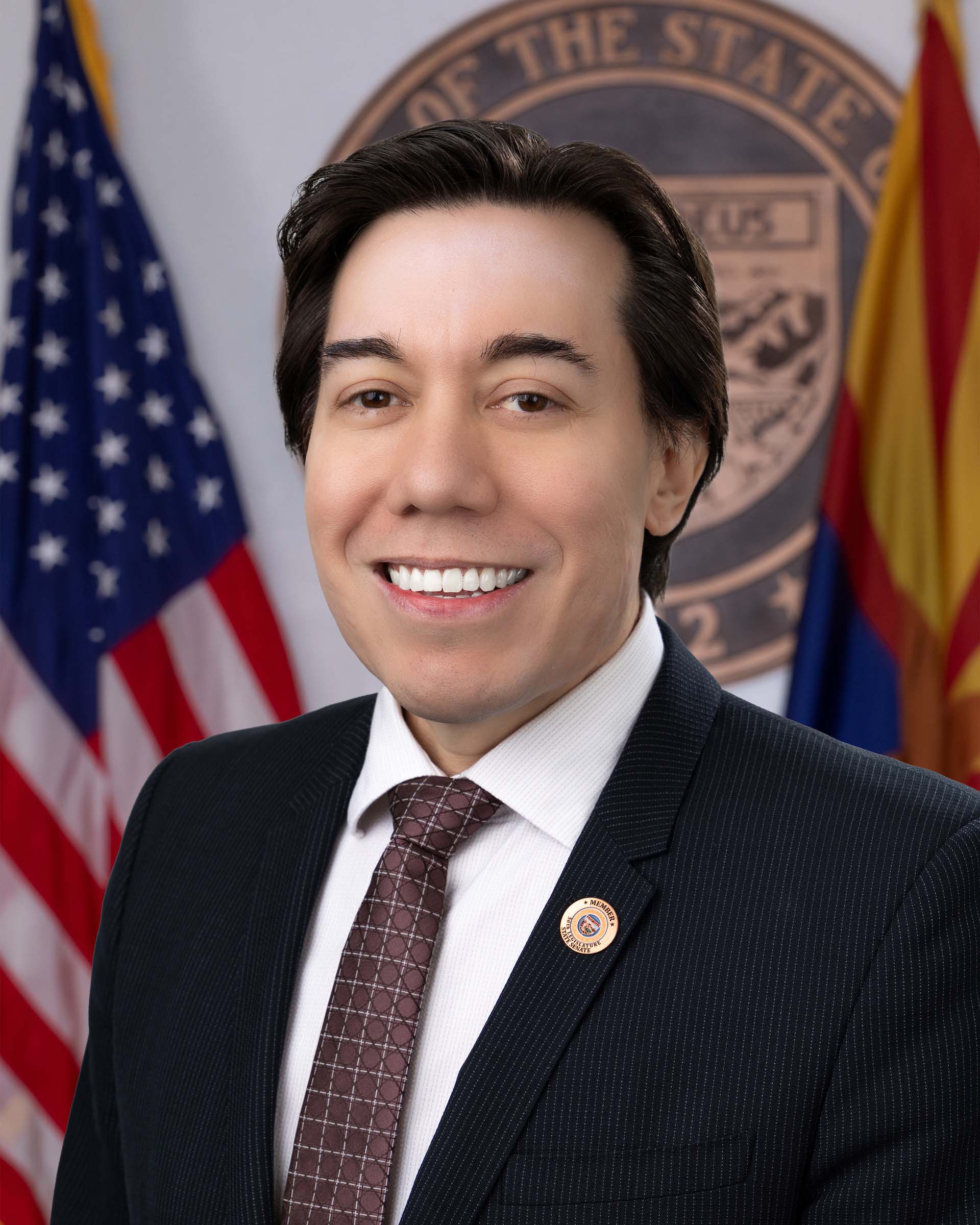
Sen. Brian Fernandez
Sponsored bills
Maddy summaryHB 2283 limits price increases for essential goods and services during declared emergencies in Arizona. It prohibits businesses from raising prices more than 10% above pre-emergency levels for building materials, food, emergency supplies, gasoline, medical items, repair services, hotel rooms, or transportation services during a state/local emergency and for 30 days after. Sellers may justify higher prices if directly tied to increased costs from suppliers or labor, but must provide proof. Violations carry civil penalties up to $10,000 per incident and allow affected consumers to seek triple damages plus legal fees.
Maddy summaryHB 2538 prohibits Arizona landlords from discriminating against tenants based on their income source, such as government benefits (e.g., Section 8 vouchers, Social Security, veterans' benefits) or private assistance. It requires landlords to count rent vouchers or subsidies toward income requirements when evaluating tenants and bans them from refusing rentals, evicting, or charging more because of a tenant’s income source. The law also prevents landlords from advertising preferences against tenants using such assistance. Violations are treated as unlawful under existing housing laws, with enforcement by the attorney general. This directly affects renters using public assistance and landlords managing rental properties.
Maddy summaryHB 2290 establishes a licensing requirement for student loan servicers operating in Arizona, directly affecting entities that manage student loans for borrowers. It mandates that most servicers obtain a state license (with exceptions for banks/credit unions), requiring application fees, financial disclosures, and criminal background checks. The bill also creates a state student loan ombudsman to handle borrower complaints, analyze issues, and develop an education course on loan terms and repayment options by 2025. Key provisions include license renewal rules, suspension for unpaid fees, and a requirement for servicers to notify the state of operational changes. This policy changes how student loan servicing is regulated within Arizona, focusing on oversight and borrower support.
Maddy summaryHB 2288 restricts tuition and fee increases at Arizona's public universities. It limits annual tuition hikes for in-state undergraduate students to the change in the metropolitan Phoenix consumer price index (CPI), but only if the state appropriates at least 50% of the tuition and mandatory fees. The bill also prohibits tuition increases for in-state undergraduates during their first four years of enrollment. Additionally, it requires public hearings and disclosure of proposed changes before any tuition or fee adjustments take effect. This directly affects the Arizona Board of Regents, public universities, and in-state undergraduate students.
Maddy summaryHB 2286, the "Arizona Ban on Scholarship Displacement Act of 2025," prohibits eligible Arizona public universities and community colleges from reducing a student's gift aid (non-loan financial aid) because they receive a private scholarship, except when the gift aid exceeds the student's actual cost of attendance. It directly affects students enrolled in associate or bachelor's degree programs at eligible institutions (like Arizona Board of Regents universities or community colleges) who receive private scholarships from companies, foundations, or nonprofits (excluding university foundations or government aid). The bill requires institutions to consider private scholarship awards separately when determining financial aid, ensuring students retain full scholarship benefits unless the gift aid already covers their full cost of attendance. Key definitions clarify "cost of attendance" (including tuition, books, living expenses) and "gift aid" as non-loan financial support.
Maddy summaryThis bill exempts young entrepreneurs from certain business requirements in Arizona. It prevents cities and counties from requiring licenses or permits for businesses run by individuals under eighteen or those who have not yet graduated from high school, provided the business operates only occasionally. Additionally, the legislation allows these young business owners to avoid paying transaction privilege taxes if their annual gross income does not exceed $10,000.
Maddy summarySB 1174 expands tuition waiver scholarships in Arizona for children and spouses of public safety and military personnel who died in the line of duty or from injuries sustained while traveling to or from work. The bill specifically includes individuals who suffered a posttraumatic stress injury and died by suicide, requiring verification from relevant memorial boards or the department of veterans' services. Eligible recipients can receive up to 64 credit hours at community colleges or enough credits for a bachelor's degree at universities, provided they meet age and marital status requirements. Additionally, the law extends these benefits to National Guard members with Purple Heart citations and veterans with significant service-connected disabilities.
Maddy summaryThis bill establishes the Purple Star School Program in Arizona to identify schools that provide transition support for military students and their families. To qualify, schools must offer professional development training to at least 70% of their staff, designate a point of contact with relevant experience, run a peer mentorship program, hold an annual patriotic event, and maintain a dedicated webpage with resources. Both public and private schools are eligible to apply, and participating schools must submit annual reports detailing their compliance with these requirements. The Department of Education will review these reports and can remove a school from the program if it fails to meet the standards or submit the required documentation.
Maddy summaryThis bill establishes standards and reporting requirements for Arizona schools offering online instruction, affecting public school districts and charter school authorizers. It mandates that these schools meet specific criteria regarding curriculum, safety measures like internet filtering, faculty expertise, and student testing compliance. Additionally, the bill requires online schools to submit annual data on course completion and student performance to the Department of Education and maintain daily logs tracking student academic time.