

Maddy summaryThis bill allows private employers and individuals not employed by the state to join Arizona's state health care plans. It directly affects private businesses and self-employed individuals seeking state-sponsored health coverage. The key provision authorizes the Department of Administration to create rules for implementing the program, though the bill itself doesn't specify plan details or costs. The legislation focuses on expanding access to state health plans without mandating employer participation.
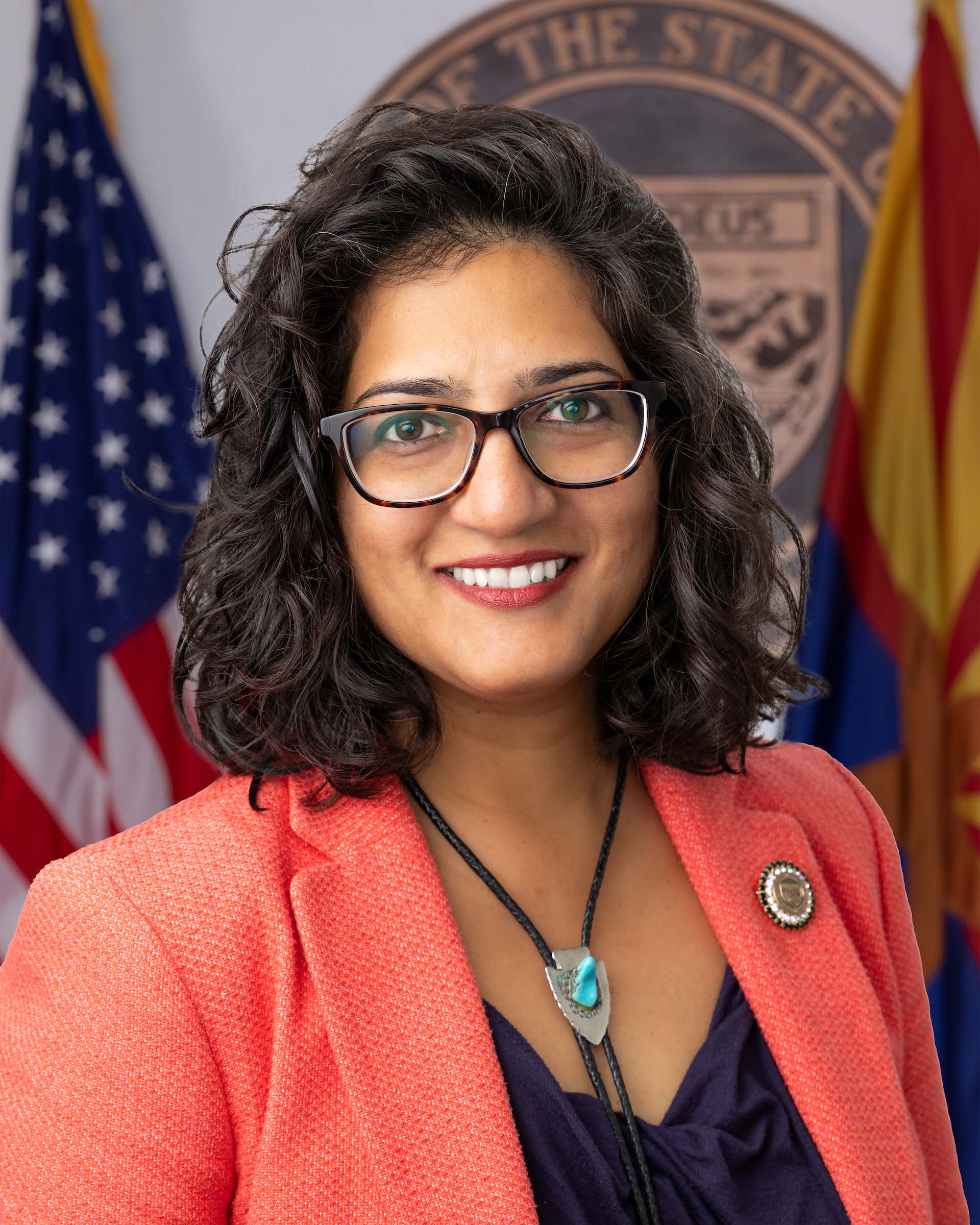
Sen. Priya Sundareshan
Sponsored bills
Maddy summaryArizona's SB 1300 would adopt the National Popular Vote Interstate Compact, requiring the state to award all presidential electors to the candidate winning the national popular vote *if* participating states collectively hold 270+ electoral votes. The bill amends Arizona law to align with the compact's rules: when in effect, Arizona's electors would cast votes for the national popular vote winner, not the state's winner. This directly affects Arizona's electoral process and presidential election outcomes, shifting from winner-takes-all state results to a national vote tally. The change would take effect only after enough states join the compact to control a majority of electoral votes (270+), as specified in the compact's Article I.
Maddy summarySB 1298 requires well drillers in Arizona to submit a detailed notice of intention to drill before constructing certain wells, including GPS coordinates for the exact well location. This notice must include the well's depth, diameter, proposed water use, driller's license number, and, for domestic use on five-acre parcels or smaller, a site plan showing septic system locations and county health approval. The state water resources director must review the notice within 15 days and issue a drilling card if all requirements are met, or deny it if missing information is found. The bill directly affects well drillers, landowners, and water users by adding specific location and planning requirements before drilling begins.
Maddy summaryArizona's SB 1299 establishes a "Stop the Bleed" pilot program requiring school districts to implement bleeding control measures. It mandates each school to have at least one specialized first aid kit (containing tourniquets, bandages, and gloves) in an accessible location, include kits in safety plans, and conduct annual inspections. The state will provide $180,000 in FY 2026-27 to fund initial kits for participating districts that complete training, with the program set to expire after December 31, 2029. This directly affects all Arizona public school districts, requiring them to integrate bleeding control resources into school safety protocols.
Maddy summarySB 1262 amends Arizona voter registration procedures to improve address verification and citizenship documentation. County recorders must send follow-up notices if mail is returned, giving voters 35 days to update addresses or citizenship proof before registration becomes inactive. It specifies acceptable citizenship evidence (e.g., driver’s licenses showing citizenship, birth certificates, passports) and requires counties to participate in a multistate voter registration database. The bill directly affects voters with changed addresses or those needing to verify citizenship, streamlining registration maintenance while requiring counties to update records using postal service data and electronic systems.
Maddy summaryHB 2882 requires Arizona law enforcement agencies to adopt written policies mandating that peace officers visibly display their name or badge number during routine duties, with exceptions for undercover operations, tactical gear, or imminent danger. It also prohibits officers from wearing facial coverings that conceal their identity during enforcement actions, except during undercover work or tactical operations requiring protective gear. Violating these identification rules can lead to civil liability for officers, including $10,000 or actual damages for injuries caused. The bill amends statutes (Sections 13-2411 and 13-2415) to clarify these requirements and increases penalties for impersonating officers, making it a class 6 felony (or class 4 for violent crimes). This directly affects all peace officers in Arizona state and local law enforcement agencies.
Maddy summarySB 1264 requires a mandatory review of Arizona's Empowerment Scholarship Accounts (ESA) program 17 months before its scheduled termination on July 1, 2034. The bill directs legislative committees to evaluate the program's effectiveness, manage efficiency, and whether it meets original goals, including conducting a performance audit by the state auditor general. It mandates public hearings and requires the legislature to decide by July 1, 2034 whether to continue the program. This bill directly affects the ESA program and the state's legislative process for reviewing state-funded education initiatives.
Maddy summarySB 1265 amends Arizona's weights and measures laws to clarify and update the duties of the state division responsible for enforcing measurement standards. It requires the division to maintain secure state reference standards, keep detailed records, inspect commercial scales and measuring devices (including for food, fuel, and packaged goods), and test motor fuel for compliance with established standards. This directly affects businesses selling goods by weight or measure (like grocery stores, gas stations, and manufacturers) by strengthening enforcement mechanisms and requiring updated labeling for packaged commodities.
Maddy summarySB 1263 requires Arizona law enforcement agencies to adopt written policies mandating that peace officers visibly display their name or badge number during most law enforcement duties, with limited exceptions for undercover operations, tactical gear, or imminent safety threats. It also prohibits officers from wearing facial coverings that conceal their identity while performing duties, except during undercover work or tactical operations requiring protective gear. The bill directly affects all state and local law enforcement agencies and their officers, imposing civil liability ($10,000 or actual damages) if an officer violates the policy and causes harm. These provisions aim to increase officer transparency and accountability during public interactions.
Maddy summarySB 1266 adds two new official state holidays in Arizona: March 31 as "Cesar Chavez Day" and April 1 as "Dolores Huerta Day." The bill amends Arizona's holiday statute to include these dates, directly affecting state employees, schools, and government offices that observe state holidays. Key provisions specify the exact dates and adjust observance rules for holidays falling on weekends, consistent with existing holiday scheduling practices. This is a straightforward policy change to recognize these figures' contributions through official state observance.