

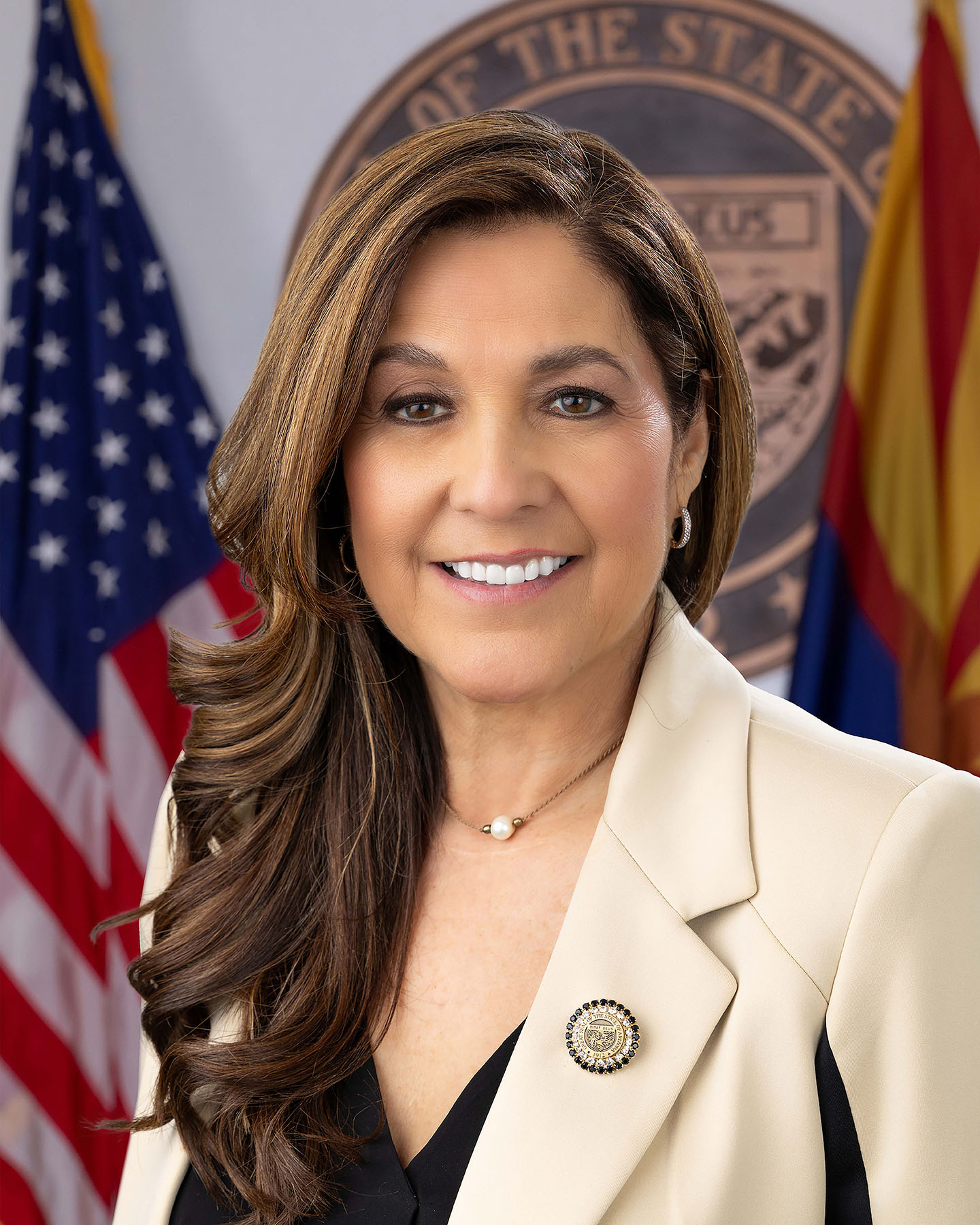
Photo of Catherine Miranda
D Arizona Senate · District 11 On the 2026 ballot

Sen. Catherine Miranda

Compare
Total votes
2,872
all sessions
Attendance
94%
159 missed
Near the chamber average
With party
92%
of cast votes
Lower than 77% of chamber peers
Bipartisan score
6%
crosses aisle rarely
Near the chamber average
Sponsored
476
bills & resolutions
Higher than 90% of chamber peers
Committees
4
assignments
476 bills and resolutions

Sponsored bills

Total
476
Primary
67
Co-sponsor
409
This page
476
matching current filters
Co-sponsor SB 1717
Introduced · Arizona Senate · Co-sponsor
biometric identifiers; commercial use; prohibitions

Maddy summarySB 1717 prohibits businesses from collecting or using individuals' biometric data (like fingerprints, facial scans, or voiceprints) for commercial purposes without first obtaining clear consent and informing them. It requires businesses to securely store this data, not sell or share it without specific exceptions (such as completing a financial transaction), and destroy it within a year after the purpose ends or when legally required documents expire. The law directly affects companies using biometric technology for services, marketing, or other commercial applications. Violations carry civil penalties up to $25,000 per incident, enforceable by the Arizona Attorney General.

Introduced Feb 9, 2026 1 co-sponsor
Co-sponsor SB 1753
Introduced · Arizona Senate · Co-sponsor
employment; housing; public accommodations; antidiscrimination

Maddy summaryThis bill (SB 1753) expands Arizona’s anti-discrimination law to explicitly prohibit discrimination based on sexual orientation and gender identity in public education, housing, and public accommodations. It defines "gender identity" as a person’s gender-related expression regardless of sex assigned at birth and requires public entities to provide gender-neutral restrooms in new public building constructions or major renovations. The law bans businesses from denying services, such as in restaurants or hotels, based on these protected characteristics, while allowing sex-segregated facilities for restrooms/locker rooms and permitting exclusions for safety reasons like intoxication or violence. It also mandates the state division to monitor discrimination and report annually to the legislature on enforcement.

Introduced Feb 9, 2026 1 co-sponsor
Co-sponsor SB 1716
Introduced · Arizona Senate · Co-sponsor
clozapine; access; monitoring modifications

Maddy summaryThis Arizona bill requires health insurers to cover clozapine medication for patients with psychiatric disorders without denying, discontinuing, or rationing it. Insurers must also provide access to alternative blood monitoring methods - like mobile services or in-home testing - upon patient request, without denying coverage based on cost or location. Patients can legally waive or modify routine blood tests after receiving risk counseling and written consent, and providers cannot withhold clozapine for this reason unless an immediate medical risk exists. The bill applies to both private health insurance and county jails/state prisons, ensuring consistent access for inmates prescribed clozapine.

Introduced Feb 9, 2026 1 co-sponsor
Co-sponsor SB 1714
Introduced · Arizona Senate · Co-sponsor
pricing; emergency; enforcement; attorney general

Maddy summaryThis bill prohibits price gouging on essential goods and services during a declared state of emergency in Arizona. It makes it unlawful to sell items like food, water, electricity, medical supplies, or rent at prices 10% higher than the highest price charged 30 days before the emergency was declared. Violations are classified as felonies: selling for $500+ in 24 hours is a class 5 felony, while smaller amounts are class 6 felonies. The attorney general enforces these rules under existing consumer protection laws. The bill directly affects businesses selling essential items during emergencies.

Introduced Feb 9, 2026 1 co-sponsor
Co-sponsor SB 1802
Introduced · Arizona Senate · Co-sponsor
juveniles; hearing; sentence reduction

Maddy summarySB 1802 allows courts to reduce prison sentences for individuals sentenced to over 25 years for crimes committed before age 18. It requires a hearing where courts must consider factors like the defendant's age at the crime, rehabilitation efforts (e.g., completing education programs), family trauma history, and diminished juvenile culpability. The bill creates a presumption of sentence reduction unless the court finds the person poses a public safety threat, and mandates written reasoning for any denial. It also requires courts to appoint attorneys for defendants at hearings and allows for community supervision upon release. The bill does not affect eligibility for other sentence relief options.

Introduced Feb 9, 2026 1 co-sponsor
Co-sponsor SB 1699
Introduced · Arizona Senate · Co-sponsor
empowerment scholarship accounts; distribution; intervals

Maddy summarySB 1699 establishes Arizona Empowerment Scholarship Accounts (AESA) to provide public funds for K-12 education outside public schools. It directly affects parents of qualifying students who choose to withdraw from public school districts or charter schools and use AESA funds. The bill specifies that account monies can cover tuition at qualified schools, textbooks, educational therapies (for students meeting specific disability criteria), tutoring, approved curricula, and other education-related expenses like transportation and assistive technology. Parents must agree not to enroll students in public schools, accept concurrent private scholarships, or homeschool while using AESA funds.

Introduced Feb 9, 2026 1 co-sponsor
Co-sponsor SB 1706
Introduced · Arizona Senate · Co-sponsor
full-day kindergarten students; ADM

Maddy summarySB 1706 establishes standards for Arizona's online instruction programs. It requires online schools to meet specific criteria for curriculum, student safety, and teacher qualifications before approval, and places new online schools on probation for up to three years until they demonstrate academic improvement. The bill mandates annual reporting to the state education department on student performance and daily attendance logs, and sets funding rules: full-time online students receive 95% of standard funding, while part-time students receive 85%. It directly affects online schools, students enrolled in virtual programs, and school districts managing hybrid enrollment. The bill does not relate to full-day kindergarten as implied by its title, but instead focuses on online education accountability and funding.

Introduced Feb 9, 2026 1 co-sponsor
Primary SB 1708
Introduced · Arizona Senate · Lead sponsor
property use; immigration enforcement; prohibition

Maddy summarySB 1708 prohibits Arizona cities, counties, and state-owned property from being used for civil immigration enforcement without a valid judicial warrant. It bans local and state governments from allowing immigration officers to use parking lots, garages, or vacant lots as staging areas, processing sites, or bases for enforcement operations. Within 30 days of the law taking effect, all affected government entities must post clear signage at public entrances stating the property cannot host immigration enforcement without a warrant. The law also requires immigration officers to show a warrant before questioning, detaining, or arresting anyone on government property. This directly affects local governments and their property management practices regarding immigration enforcement activities.

Introduced Feb 9, 2026 0 co-sponsors
Co-sponsor SB 1693
Introduced · Arizona Senate · Co-sponsor
school district superintendents; certification; requirements

Maddy summarySB 1693 (correcting the title discrepancy) primarily updates teacher certification rules, not superintendent requirements. It requires all teachers providing literacy instruction in kindergarten through grade 5 to obtain a literacy endorsement by specific deadlines (2028 for current teachers, within three years of certification for new teachers starting August 2025). The endorsement mandates evidence-based science of reading training covering foundational skills, high-quality materials, and interventions for reading deficiencies (including dyslexia). Teachers may bypass formal coursework through local district verification using classroom observations and student data, and the bill explicitly prohibits requiring a master's degree for certification.

Introduced Feb 9, 2026 1 co-sponsor
Co-sponsor SB 1797
Introduced · Arizona Senate · Co-sponsor
essential drugs; price increases; limits.

Maddy summarySB 1797 prohibits manufacturers and distributors from engaging in "price gouging" on specific essential off-patent or generic drugs, defined as drugs without patent protection, listed by WHO or the U.S. as essential, and sold by few manufacturers. It directly affects drug companies selling these medications in Arizona, requiring them to justify price increases exceeding 50% within a year or exceeding $80 for basic treatment (e.g., 30-day supply). The state’s Medicaid program can trigger investigations for such increases, prompting manufacturers to submit cost breakdowns within 45 days. If violations are confirmed, the attorney general can seek court orders for restitution, injunctions, or civil penalties up to $10,000 per violation. The bill focuses on transparency and accountability for price hikes impacting affordability, not on altering drug approval or insurance coverage.

Introduced Feb 9, 2026 1 co-sponsor
Showing 41 to 50 of 476 bills
Previous 1 4 5 6 48 Next