

Maddy summarySB 1246 amends Arizona's definition of "child neglect" in Section 8-201 of the Revised Statutes by adding a specific exception related to financial resources. The bill clarifies that a child's neglect does not include situations where a parent or guardian fails to provide support due to documented financial hardship, provided they are actively seeking assistance. This change affects how child welfare cases involving economic hardship are evaluated under Arizona law. The bill focuses solely on refining definitions for legal clarity and does not create new requirements, funding changes, or direct impacts on families. (Note: The bill's text provided contains no substantive policy changes beyond this definitional amendment.)
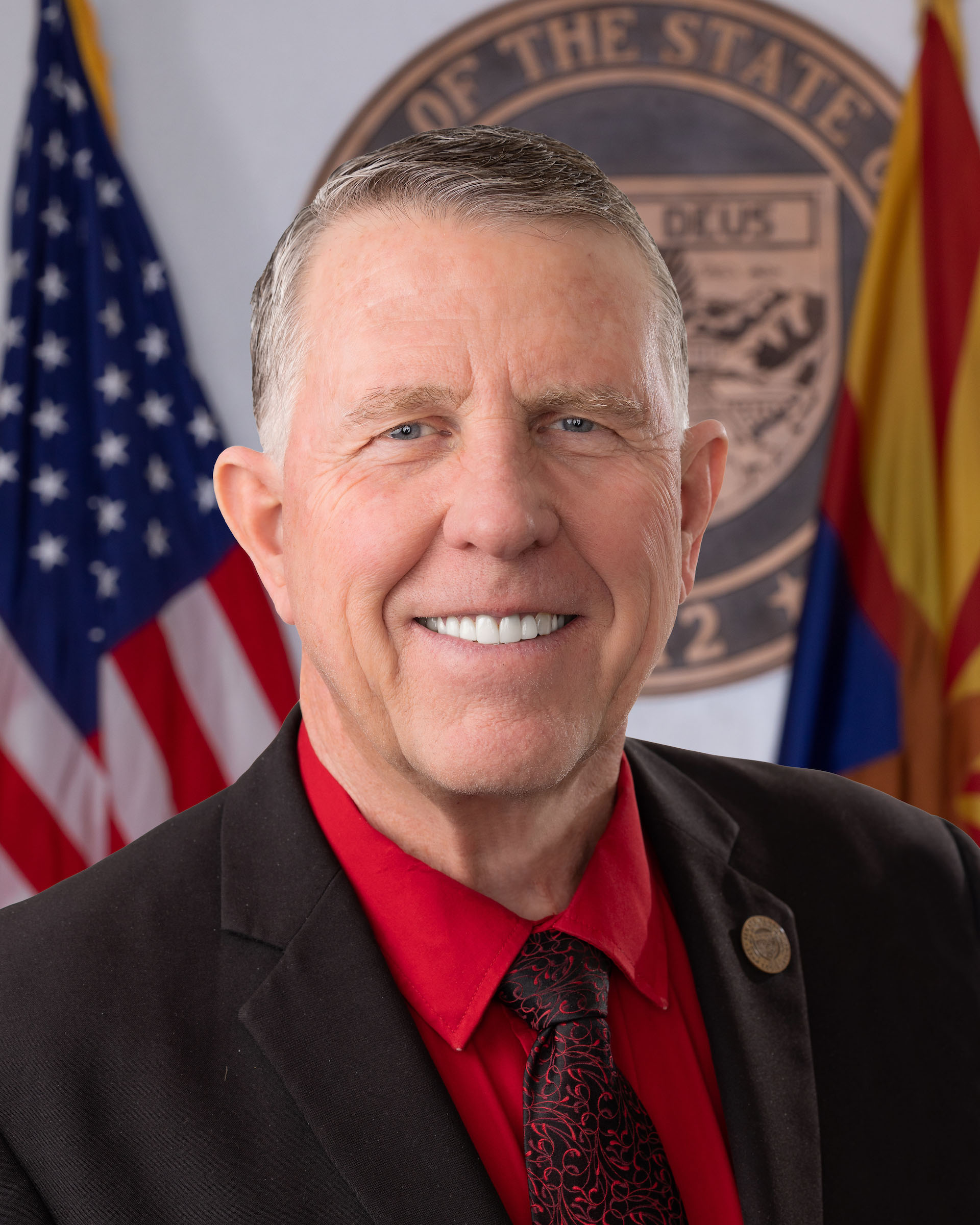
Sen. Dave Farnsworth
Sponsored bills
Maddy summarySB 1245 clarifies who can access Arizona's Child Protective Services (DCS) records and under what circumstances, primarily affecting DCS staff, law enforcement, courts, and service providers working with child welfare. The bill expands access for legislators to review specific DCS files through a formal request process (requiring written submission to a presiding officer and secure review within 10 days), while maintaining strict confidentiality rules for all other disclosures. It also specifies that DCS information may be shared for child safety, court proceedings, or investigations into abuse/neglect, but prohibits further disclosure without court orders or public records. The legislation ensures privacy protections for victims and prevents unwarranted privacy invasions when sharing records.
Maddy summarySB 1228 imposes a temporary moratorium on new housing regulations in Arizona, preventing municipalities from adopting or enforcing new rules for single-family homes, subdivisions, or planned developments from its effective date through June 30, 2028. The law only allows new regulations that protect public health/safety or reduce construction costs. It directly affects local governments (cities and towns) by restricting their ability to create new housing development standards during this period. The bill expires on June 30, 2028, and stems from legislative findings that non-essential regulations are worsening Arizona's housing shortage and affordability crisis.
Maddy summaryThis bill requires used motor vehicle dealers to complete a 6-hour education course covering sales regulations (including consumer protections and licensing rules) before obtaining or renewing a license. It mandates criminal background checks for owners with 20%+ stake in the business (with exemptions for new vehicle dealers and dealers licensed before December 2023). Dealers must also sign a form defining "curbstoning" (selling without proper license) and acknowledging penalties for unlicensed sales. The law applies to new license applications and renewals for used vehicle dealers, excluding new vehicle franchise dealers and existing licensees who haven’t changed license types or locations.
Maddy summaryThis bill would have amended Arizona election law to change how counties establish polling places and manage voting locations. It required counties to set precinct boundaries by October 1 before elections, with specific rules for combining precincts or using voting centers where any voter can cast a ballot with ID. The bill also mandated that public schools provide space for polling places unless a principal denies it for safety or space reasons, and created procedures for emergency voting centers during elections. It directly affected county election officials, public schools, and voters across Arizona.
Maddy summarySB 1630 establishes a study committee to examine issues affecting Arizona inmates aged 55+ who are aging within the state correctional system. The committee, composed of legislative members, corrections and healthcare officials, and community representatives (including a former inmate or family member), will research release programs, healthcare access, and transitions to long-term care. It must develop recommendations for a step-by-step release plan and a healthcare roadmap, submitting a final report to state leaders by December 31, 2025. This is a procedural bill creating a study body - not a policy change - and directly affects aging incarcerated individuals in Arizona.
Maddy summarySB 1686 clarifies that the county recorder is the "officer in charge of elections" for Arizona counties, directly affecting county election officials. It updates rules for establishing election precinct boundaries and designating polling places, requiring county recorders to set boundaries by October 1 before elections and follow specific guidelines for combining precincts or using voting centers. The bill also mandates that public schools must provide space for polling places unless principals deny requests with written reasons like lack of space or safety concerns. These changes aim to standardize election administration procedures for county recorders managing polling locations.
Maddy summarySB 1629 allows Arizona prison directors to release inmates with terminal illnesses or conditions requiring end-of-life care to state-contracted nursing care facilities. It applies only to inmates who are so debilitated they pose no danger to themselves or others, excluding those convicted of first-degree murder. The bill requires prison officials to periodically review medical records to confirm ongoing eligibility, and if an inmate no longer meets criteria, they must be returned to custody. This policy change directly affects terminally ill inmates in Arizona prisons who qualify under these specific medical and safety conditions.
Maddy summaryArizona's SB 1471 establishes a tax mechanism for electric vehicles (EVs) under 10,000 pounds gross vehicle weight, requiring them to pay a highway use fee equivalent to gas-powered vehicles. Instead of gasoline taxes, EV owners would pay based on electricity usage converted to a "gas gallon equivalent" (using kWh data), ensuring their road maintenance contribution aligns with gas vehicle users. This directly affects EV owners and manufacturers of qualifying vehicles, aiming to offset highway maintenance costs previously covered by gas taxes. The bill defines specific conversion standards (like kWh-to-gallon ratios) to calculate the fee, without changing existing gas tax rates for conventional vehicles.
Maddy summarySB 1453 limits compensation for university presidents at Arizona's public universities. It sets a $500,000 annual salary cap and restricts total non-salary bonuses, incentives, or other compensation to 15% of the base salary. Compensation must be tied to performance that directly benefits students, staff, or faculty, not just routine duties. The bill affects only university presidents, not other staff or students, and establishes clear, enforceable financial limits on executive pay.