

Maddy summaryHB 2947 prohibits charter schools from suspending students for unexcused absences and updates school discipline rules for all public schools in Arizona. It specifically bans suspension as a penalty for absenteeism (except for students absent due to illness certified by a licensed healthcare provider) and requires school districts to establish clear procedures for discipline, including written parental notice for confinement and annual reporting of suspensions/expulsions involving illegal substances. The bill mandates that school boards hold hearings for suspensions over ten days, include specific appeal processes, and post aggregated suspension data online without personally identifiable information. These changes directly affect students, school districts, and charter schools by altering disciplinary practices and increasing transparency around school discipline outcomes.
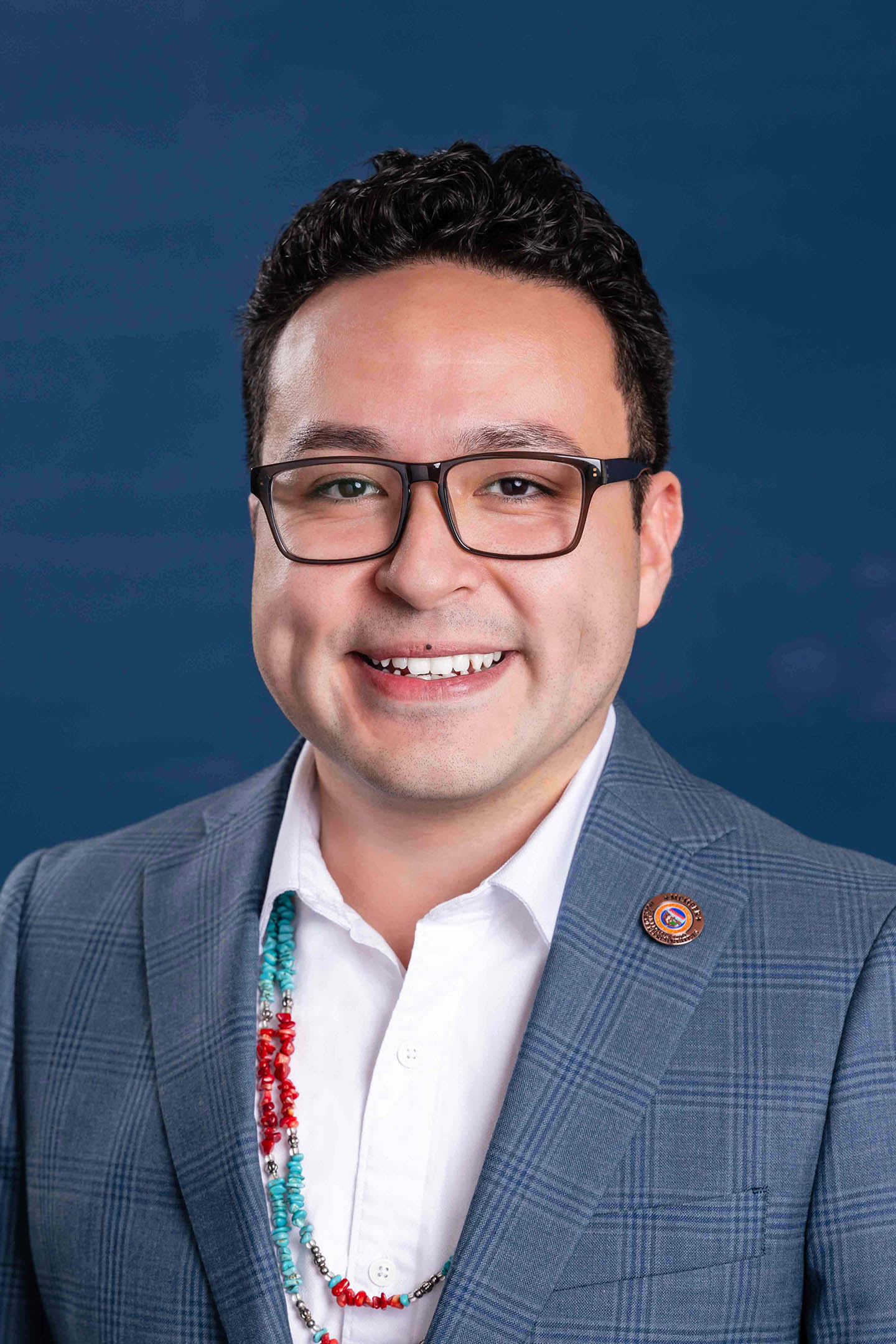
Rep. Brian Garcia
Sponsored bills
Maddy summaryHB 2948 requires large food and garden seed suppliers (those selling over $6 billion annually) to offer identical pricing terms to all retailers purchasing the same quantity of "covered goods" (food for home use and garden plants, excluding gasoline, drugs, tobacco, or alcohol). It mandates that suppliers provide anonymized sales data to retailers upon request and prohibits charging different prices based on retailer type or location. The law also restricts dominant retailers (with over $18 billion in annual sales) from forcing suppliers to violate these pricing rules. Exceptions apply for perishable goods, seasonal items, or business closures.
Maddy summaryHB 2963 requires mandatory settlement conferences for certain Arizona eviction cases within five days of an eviction notice being served on the tenant. Landlords and tenants must attend, submit relevant documents (lease, rent notices, receipts), and the court will dismiss cases if landlords don't appear or enter default judgments if tenants don't attend. The bill updates Arizona Revised Statutes §12-1175 and §33-1368 to specify these procedures, including different notice periods for lease breaches (10 days for most issues, 5 days for health/safety concerns) and clarifying that certain tenant falsifications (like false occupancy or criminal records) are non-curable. This directly affects landlords and tenants in eviction proceedings by adding a required conference step before hearings.
Maddy summaryHB 2962 prohibits landlords in Arizona from discriminating against tenants based on their source of income, such as government housing vouchers (e.g., Section 8), social security, veterans benefits, or other rental assistance programs. It specifically bans landlords from refusing to rent, evicting, charging more, or imposing different terms because a tenant relies on these income sources. Landlords must count rental assistance toward income requirements when evaluating applicants, ensuring subsidies like housing vouchers are treated equally with other income. Violations are addressed under existing anti-discrimination laws, with enforcement handled by the attorney general. This directly affects renters using public assistance and landlords who screen applicants.
Maddy summaryArizona's SB 1464 creates a state-run family and medical leave insurance program starting in 2029. It provides eligible workers with up to 26 weeks of paid benefits for pregnancy, serious health conditions requiring hospitalization, or 24 weeks for caring for a newborn, family member with a serious health condition, military family leave, or "safe leave" related to domestic violence, sexual violence, abuse, or stalking. To qualify, workers must meet specific wage requirements during their base period (e.g., earning at least $390 per week in a qualifying quarter). Employers must provide at least 12 weeks of leave, with benefits paid biweekly after a claim is filed.
Maddy summarySB 1486 allocates $750,000 from Arizona's state general fund for fiscal year 2026-2027 to the Navajo Nation. This funding covers surveying, design, planning, restoration, and equipment for the Coalmine Canyon youth and community recreation center, which must include a full-size basketball court, an outdoor multiuse facility, and security lights. The bill specifies this appropriation is exempt from standard state rules about unused funds lapsing. This is a procedural funding bill directly affecting the Navajo Nation's recreation center development.
Maddy summarySB 1484 allocates $1 million from Arizona's state general fund for fiscal year 2026-2027 to the Navajo Nation for the Sawmill Intergenerational Learning Center. The funds cover the center's design, construction, maintenance, and operations, directly supporting the Navajo Nation's community development efforts. The bill exempts this funding from standard lapsing rules, ensuring the money remains available for the project regardless of fiscal year deadlines. This is a straightforward funding allocation with no policy changes beyond the financial commitment.
Maddy summarySB 1508 requires Arizona utilities to annually report detailed expenses to the Corporation Commission starting in 2027, including political spending, executive travel, charitable giving, and lobbying costs. Utilities must disclose all expenses related to political influence activities, institutional advertising, and executive compensation, with reports made publicly available. Non-compliance can result in civil penalties of up to $1,000 per violation. This bill directly affects all electric, water, and gas utilities operating in Arizona.
Maddy summarySB 1485 appropriates $6,000,000 from Arizona's state general fund for fiscal year 2026-2027 to the Department of Administration for the Navajo Nation. This funding covers the design, planning, construction, maintenance, and operation of the Tuba City Diné Youth Multipurpose Complex project. The bill exempts this appropriation from standard rules requiring funds to lapse if unused. It directly affects the Navajo Nation by providing state funding for a community facility in Tuba City. The key provision is the dedicated state funding allocation for the complex's development and ongoing operations.
Maddy summarySB 1510 prohibits Arizona cities, counties, and the state from including specific environmental data in nondisclosure agreements (NDAs) with private companies. The bill explicitly bans requiring secrecy around a company's water, gas, or electricity usage; air or water emissions; and waste generation (including hazardous waste). This directly affects private businesses that might otherwise be forced to sign NDAs hiding this environmental information. The law aims to ensure transparency about environmental impacts by preventing government entities from legally compelling companies to keep such data confidential.