

Maddy summarySB 1415 requires Arizona counties to designate at least one polling place on the main campus of each state university and provide at least one early ballot dropbox at every state university satellite location and community college campus/satellite location. It also mandates that counties establish voting centers (allowing voters to cast ballots at any location in the county) and defines rules for emergency voting centers during elections. The bill directly affects county election officials, state universities, and community colleges by requiring specific polling locations and ballot drop options for campus voters. These changes aim to improve access to voting for students and staff at educational institutions, with implementation required for upcoming elections.
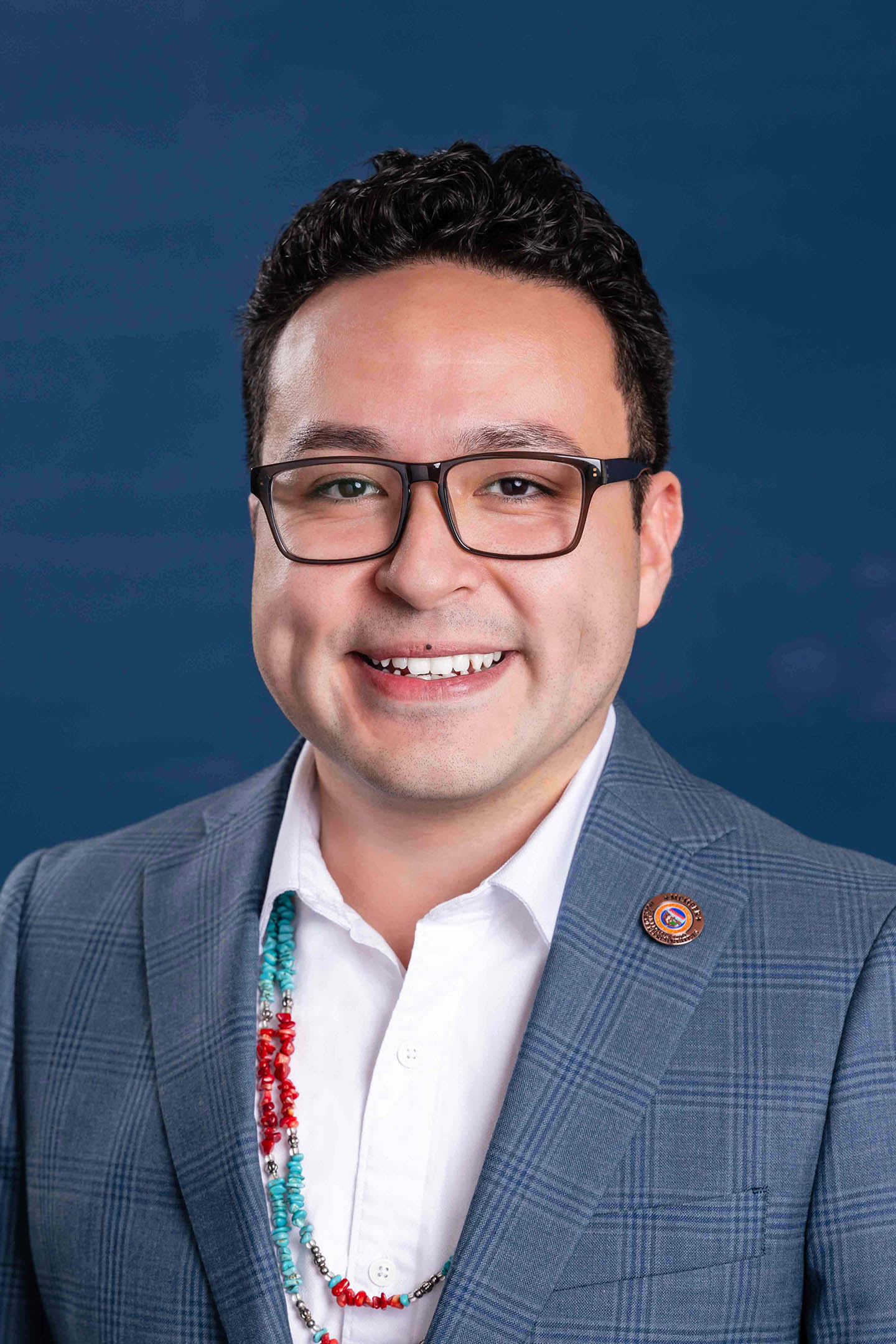
Rep. Brian Garcia
Sponsored bills
Maddy summarySB 1420 requires Arizona school districts and charter schools to adopt green cleaning policies by December 2026, using environmentally sensitive products unless it would raise cleaning costs. It also mandates state agencies, universities, and school districts to reduce energy use in public buildings by 20% by 2031, meet LEED standards for new/renovated buildings, and source 10% of energy from renewable sources by 2030. The bill establishes an Energy and Water Efficiency Fund to provide low-interest loans for energy-saving upgrades, repayable through energy cost savings. These requirements directly affect all public schools, state buildings, and government agencies managing facilities.
Maddy summarySB 1408 prohibits utility companies (public service corporations) and their key executives, family members, and related entities from contributing to Arizona Corporation Commission candidates or accepting their contributions. It defines "coordinated expenditures" as payments for candidate-created campaign materials or joint activities with candidates, treating these as indirect contributions. The bill specifically bans utility companies from funding candidate debates or forums without strict separation, and clarifies that coordinated spending with candidates - such as sharing campaign strategy - counts as a contribution. This directly affects utility companies, their executives, and Corporation Commission candidates, aiming to prevent undue influence in elections for utility regulators.
Maddy summarySB 1326 requires Arizona school districts and charter schools to provide suicide prevention training to school staff (including counselors, teachers, and principals) who work with students in grades 6-12 every three years. The training must use evidence-based materials, cover identifying warning signs and intervention techniques, and be posted on the Arizona Health Care Cost Containment System website. The bill also directs the auditor general to classify related costs as "classroom spending" in annual reports. This bill directly affects all public and charter schools in Arizona and their staff, focusing on mandated mental health training for adolescent students.
Maddy summaryHB 2690 repeals Arizona Revised Statutes §15-120.02, which previously addressed team designations in relation to biological sex. The bill directly affects how athletic teams or similar groups in Arizona may be designated based on biological sex, removing the existing statutory requirement. Key provisions involve eliminating this specific legal provision without creating new rules or requirements. As a procedural repeal bill, it does not establish new policy but removes an existing statute, with the bill currently in early legislative stages (House First/Second Reading, January 2025).
Maddy summaryThis resolution (HR 2002) declares gun violence a public health crisis in Arizona. It cites Arizona's 2020 firearm death toll of 1,265, 2022 data showing firearms as the top cause of death for teens aged 15-17, and statistics linking gun access to increased suicides and homicides. The resolution makes no new laws or funding provisions - it is a symbolic declaration by Arizona's House of Representatives. It focuses on acknowledging the severity of gun violence as a public health issue, based on state-specific data.
Maddy summaryHCR 2034 would require background checks for most private firearm transfers in Arizona by mandating that non-dealer sellers or buyers use a licensed firearms dealer to process the transaction. This applies to all private sales not covered by specific exceptions (like law enforcement transfers, gunsmith repairs, or family gifts). The dealer must conduct a background check under federal and state law before completing the sale or returning the firearm to the seller if prohibited. Violating this rule would be a class 5 felony. The bill requires voter approval to become law.
Maddy summaryHB 2686 creates a new specialty license plate program for sororities and fraternities in Arizona. To qualify, an organization must pay a $32,000 fee to the state department to implement the program, after which the department will issue custom plates designed by the group (subject to state approval). Owners of vehicles displaying these plates pay a $25 annual fee, with $17 of that amount designated as a donation. The bill does not affect individual students but requires organizations to fund the program upfront and comply with design standards. This is a procedural change to license plate regulations, not a broad policy shift.
Maddy summaryHB 2496 modifies Arizona's licensing rules by prohibiting state agencies from requiring applicants to provide citizenship or alien status documentation when applying for a professional license. It also mandates that agencies accept a federal tax identification number in place of a Social Security number for licensing purposes. This applies to all licenses issued by state or local agencies for businesses or services (like CPAs, contractors, or healthcare providers). The bill directly affects individuals seeking professional licenses who may lack traditional citizenship documentation, such as immigrants or non-citizens. The key change replaces prior requirements in Section 41-1080 with these new documentation standards.
Maddy summaryHB 2591 appropriates $500,000 from Arizona's state general fund for the Arizona Commission of African-American Affairs' operating expenses during fiscal year 2025-2026. This procedural bill provides direct funding to the commission for its administrative costs. It does not establish new policies or affect specific groups beyond the commission's operational needs. The bill is currently in early legislative stages, having undergone House first and second readings.