

Maddy summaryHB 2493 requires private education providers that accept Arizona empowerment scholarship funds to follow the same financial reporting and audit rules as public schools. These providers must submit financial data using the state's standard system, comply with annual achievement profile reporting, and undergo performance audits conducted by the auditor general. The bill directly affects private schools, tutoring services, or other educational entities receiving scholarship funds, mandating transparency in their financial operations. Key provisions include standardized financial recordkeeping, inclusion in state achievement reports, and specific audit requirements tailored for private businesses. This bill focuses on oversight rather than changing scholarship eligibility or funding amounts.
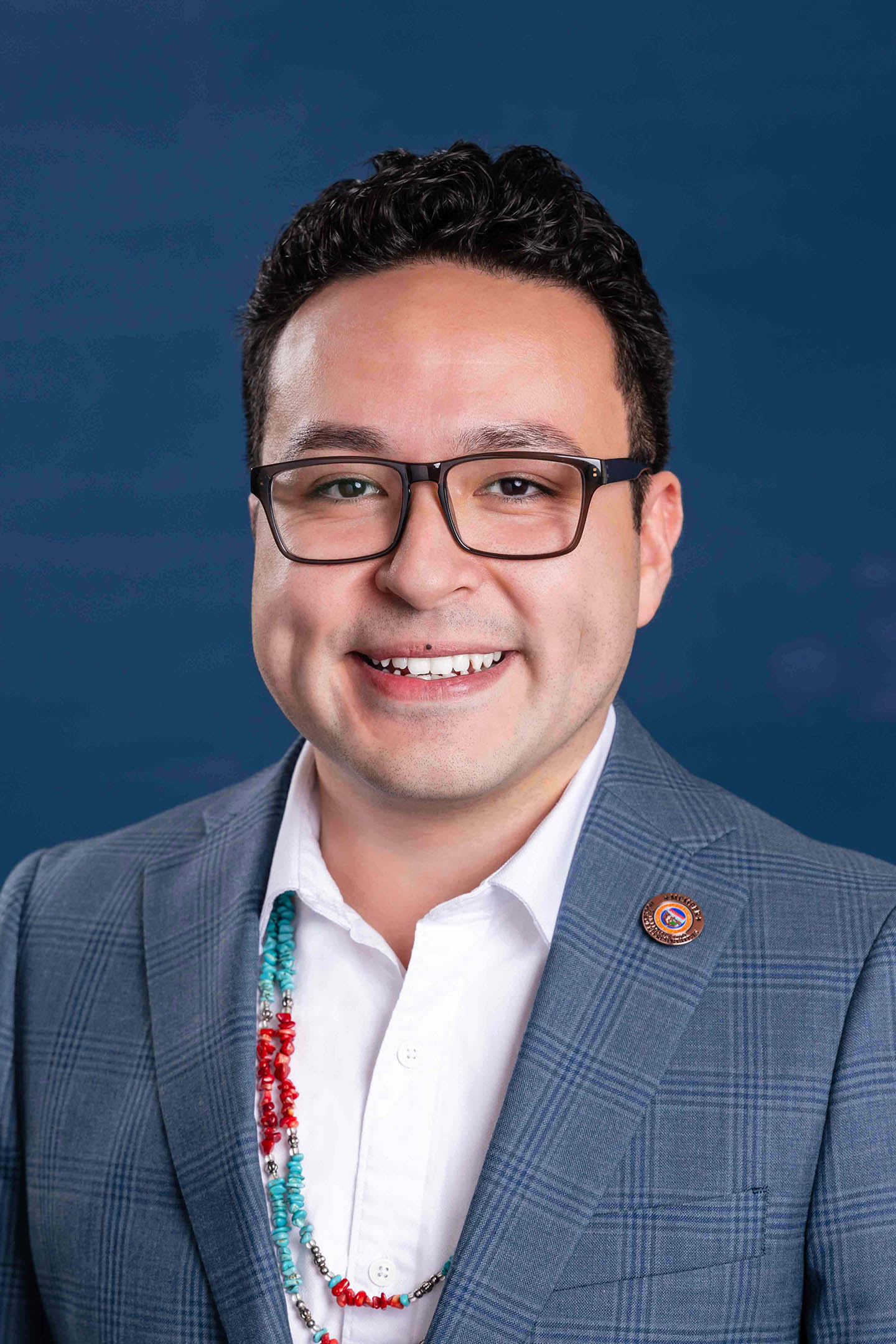
Rep. Brian Garcia
Sponsored bills
Maddy summaryHB 2590 amends Arizona law to clarify key definitions related to residential rental properties. It defines "residential rental property" as property leased for residential use or rented to lodgers for less than 30 days, excluding the mobile home itself in mobile home parks if owned by the tenant (not the space owner). The bill also defines "slum property" by specific hazardous conditions like structural damage, lack of water/sanitation, or dangerous waste accumulation. This bill directly affects landlords, tenants, and property managers by establishing clear terms for enforcement and regulation. As a definitional bill, it does not create new requirements but provides precise language for future legal or regulatory actions.
Maddy summaryHB 2779 amends Arizona law to clarify procedures for taking juveniles into temporary custody and establishes training for school security personnel. It requires peace officers to notify a juvenile’s parents, guardian, or custodian (unless safety is at risk) when taking a juvenile into custody for alleged misconduct, and mandates explaining juvenile Miranda rights in understandable language. The bill also creates a new training program for school law enforcement officers and security staff, requiring completion within one month of starting a school-related role (or presenting a valid certificate if completed within two years). These changes apply to all school districts and charter schools, with the training requirement effective June 30, 2026. The bill directly affects juveniles, their families, law enforcement officers, and school security personnel.
Maddy summaryHB 2281 establishes Arizona's "Turquoise Alert" system to quickly respond to missing persons cases. It requires the state department to issue alerts when law enforcement confirms a missing person under 65 is in danger due to suspicious circumstances, after exhausting local resources. The alert system shares critical recovery information with the public and other notification entities. This directly affects missing persons under 65 with unexplained or dangerous situations, including members of federally recognized tribes as defined by the bill.
Maddy summaryHB 2852 allows enrolled members of federally recognized Indian tribes in Arizona to have a neutral distinguishing mark on their nonoperating identification license (not a driver's license) that identifies them as Native American. This mark cannot specify a particular tribe or include other personal details from their tribal documents. The bill ensures this identifier is consistent with existing provisions for veterans and other categories while maintaining clear labeling that the license is for identification only, not driving. It affects tribal members seeking state-issued nonoperating IDs, with no change to tribal sovereignty or voting rights.
Maddy summaryHB 2677 allows Arizona middle school students (grades 6-8) to earn career and technical education (CTE) course credits that count toward both 8th-grade promotion and high school graduation. Schools offering these courses must partner with approved CTE providers, such as career districts, state-approved schools, or community colleges. They must report annually to the state on course offerings and student completions, with a final summary due by December 2028. The law applies only through the 2027-2028 school year and expires December 31, 2036.
Maddy summaryHB 2557 appropriates $16,291,610 from Arizona's state general fund for fiscal year 2025-2026 to the Department of Transportation. The funds are specifically designated to widen and improve State Route 347 between Interstate 10 and the city of Maricopa. This project directly affects drivers and local communities along that corridor by expanding the highway infrastructure. The bill creates no new regulations or requirements - its sole mechanism is the allocation of funds for this physical improvement project.
Maddy summaryThis bill (HR 2004) is a formal resolution passed by the Arizona House of Representatives expressing condolences for the death of Fred P. Shulski, Jr., a Phoenix pediatrician and community volunteer. It directly extends sympathy to his family, including his wife Melissa and three children. The resolution has no policy changes or legal effect - it simply records the House’s collective expression of regret and respect for Shulski’s life and service. The bill was unanimously approved and transmitted to the Secretary of State on March 24, 2025.
Maddy summarySB 1671 adds traditional healing services as a covered benefit under Arizona's Medicaid program (AHCCCS). This coverage applies only to AHCCCS members who qualify under federal regulations (42 CFR § 136.12) and receive services delivered by or through the Indian Health Service or a tribal facility. The bill explicitly requires federal approval for this coverage and is subject to available funding. It does not alter other existing covered services listed in the statute.
Maddy summarySB 1234 amends Arizona's animal cruelty law to explicitly prohibit failing to provide necessary medical care to prevent unreasonable suffering in domestic animals under a person's custody. It directly affects pet owners, breeders, and anyone responsible for domestic animals. The key change adds a specific violation for "intentionally, knowingly or recklessly fails to provide medical attention necessary to prevent unreasonable suffering." Violations range from class 1 misdemeanors (for neglect) to class 5 or 6 felonies (for severe harm or killing), with penalties including compensation for service animal replacement costs.