

Maddy summaryHB 2343 creates a new "recycling refurbished electronics" special license plate in Arizona. Vehicle owners who pay a $25 fee (with $17 going directly to a dedicated recycling fund) can obtain these plates, which require a one-time $32,000 payment to the Department of Transportation by December 31, 2026 to implement. The bill establishes a special fund that uses the $17 annual fee per plate to support programs recycling refurbished electronics. This directly affects vehicle owners purchasing these plates and funds recycling initiatives through plate fees, not general state funds.
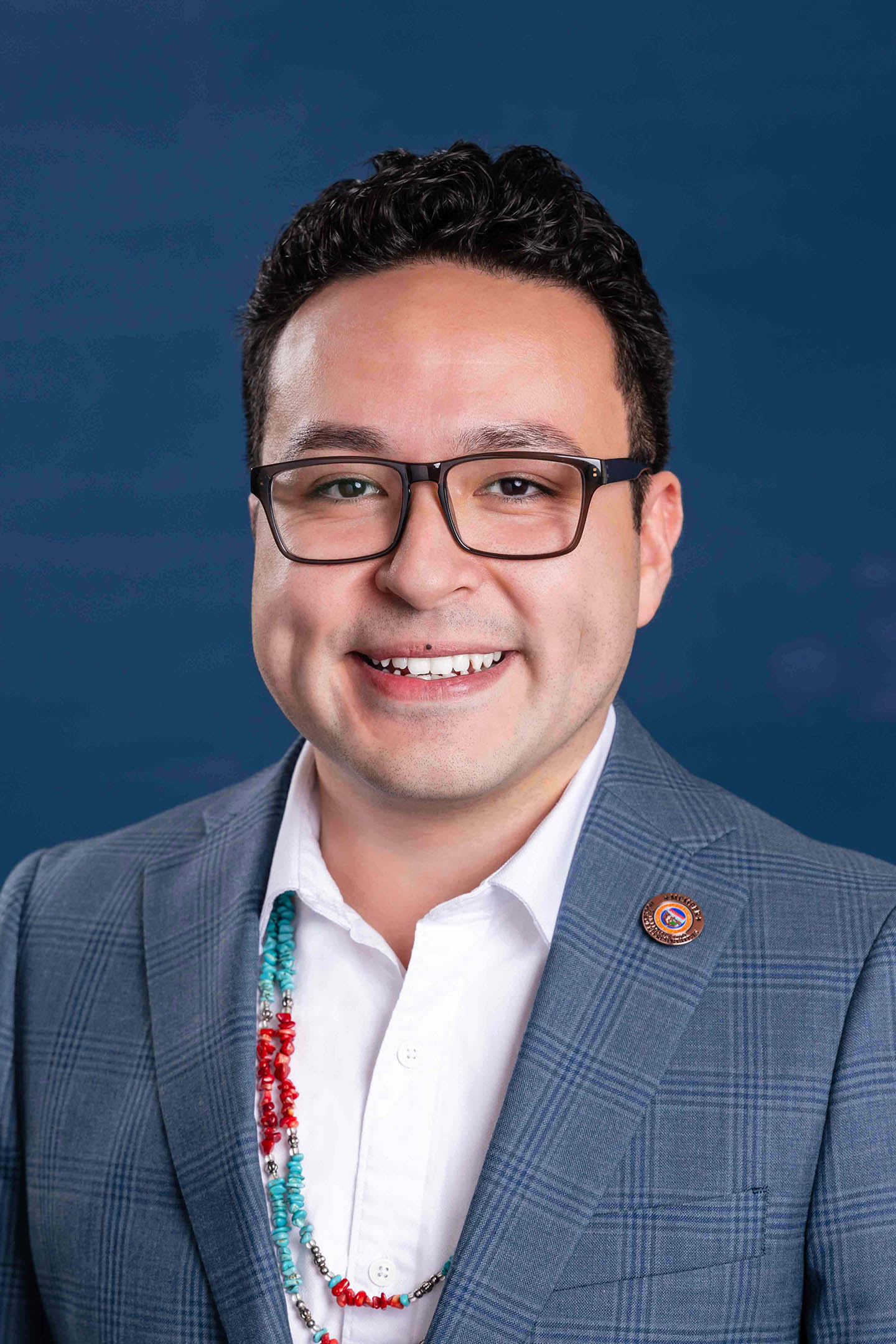
Rep. Brian Garcia
Sponsored bills
Maddy summaryThis bill requires Arizona counties with tribal lands to consult tribal representatives before making specific changes to voting locations. County election officials must seek tribal input before combining precincts, establishing voting centers, or setting up emergency voting locations. The law mandates this consultation for any decision affecting polling places in tribal areas, ensuring tribal communities are involved in election planning. It applies only to counties containing tribal lands, not statewide election rules.
Maddy summaryHB 2298 amends Arizona law to restrict how public universities can increase tuition and fees for in-state undergraduate students. It prohibits tuition hikes exceeding the Phoenix metropolitan area consumer price index (CPI) for resident students and freezes tuition for the first four consecutive years of enrollment. The bill requires universities to hold public hearings on proposed increases, disclose details 10 days in advance, and report enrollment data to the legislature. These changes directly affect Arizona public university students (especially in-state undergraduates) and the Arizona Board of Regents, which administers the new rules.
Maddy summaryHB 2354 amends Arizona's definition of "prohibited weapon" to explicitly ban bump-fire devices and related accessories. The bill adds these items to the list of prohibited weapons under Section 13-3101, defining them as "a trigger crank, a bump-fire device or any part, combination of parts, component, device, attachment or accessory that is designed or that functions to accelerate the rate of fire of a semiautomatic rifle." This directly affects individuals possessing such devices, making their possession illegal under Arizona law. The amendment clarifies these items do not convert rifles into machine guns under federal definitions.
Maddy summaryHB 2219 establishes a 75-foot buffer zone around polling places and ballot receptacles where electioneering - such as campaigning, displaying political materials, or attempting to influence voters - is prohibited. The bill requires clear signage at each polling location and mandates that voters leave the zone after casting ballots, while allowing election officials, appointed political party representatives, and authorized challengers to remain within it. It bans photography/videography in the zone and classifies violations (like interfering with voters or trying to sway votes) as class 2 misdemeanors. This law directly affects voters, election workers, political party representatives, and anyone near polling places during voting hours.
Maddy summaryHB 2217 expands Arizona's anti-discrimination law to explicitly protect against bias in employment, housing, and public accommodations based on gender identity, sexual orientation, race, religion, disability, and other protected classes. It prohibits businesses from denying services or facilities in public spaces (like restaurants, hotels, or retail stores) based on these characteristics and requires new or fully renovated public restrooms to be designated gender-neutral. The bill updates definitions to clarify terms like "gender identity and gender expression" and specifies that reasonable accommodations aren't required for certain disability-related scenarios. This law applies directly to all businesses operating in public accommodations across Arizona.
Maddy summaryHB 2347 protects individuals who assist others during drug-related overdoses from criminal prosecution for drug possession or use. It requires people at overdose scenes to provide reasonable assistance (like calling 911) without endangering themselves, and shields both the helper and the overdose victim from charges related to the drug offense if medical help was sought. The law explicitly states that seeking medical assistance may be considered a mitigating factor in other criminal cases, while still allowing evidence collection and arrests for unrelated crimes. It defines "reasonable assistance" as contacting emergency services and "medical assistance" as care from licensed professionals.
Maddy summaryHB 2218 authorizes Arizona's Secretary of State to create a mobile communications platform for election workers, including poll workers, drivers, warehouse staff, and voter registration personnel. The bill requires a pilot program in one or more counties using $200,000 in state funds (fiscal year 2026-2027), with counties offered the platform at reduced or no cost. The platform is designed to improve communication among election staff during operations, and the program expires December 31, 2027. This bill directly affects election administrators and workers across participating counties during the pilot phase.
Maddy summaryHB 2220 requires Arizona counties to provide accessible voting devices at every polling place that meets federal standards for voters with disabilities. These devices must be programmed to display all available ballot styles regardless of the polling location, ensuring consistent access. The bill also mandates durable, private voting booths and requires election officials to inspect equipment before sealing it for use. This directly affects voters with disabilities and election administrators by standardizing accessibility requirements for voting technology.
Maddy summaryHB 2317 amends Arizona law to prohibit cities and towns from banning "cruising," defined as repetitive driving past the same location without a destination within a specific time period. The bill directly affects local governments by preventing them from enacting or enforcing ordinances that target this type of driving behavior. It updates Section 28-626 of the Arizona Revised Statutes to explicitly state that local authorities "shall not enact or enforce an ordinance... that prohibits cruising." This change ensures uniform traffic laws statewide, allowing cities to create other non-conflicting traffic regulations but not to ban cruising through local ordinances. The bill does not create new penalties or alter other traffic enforcement mechanisms.