

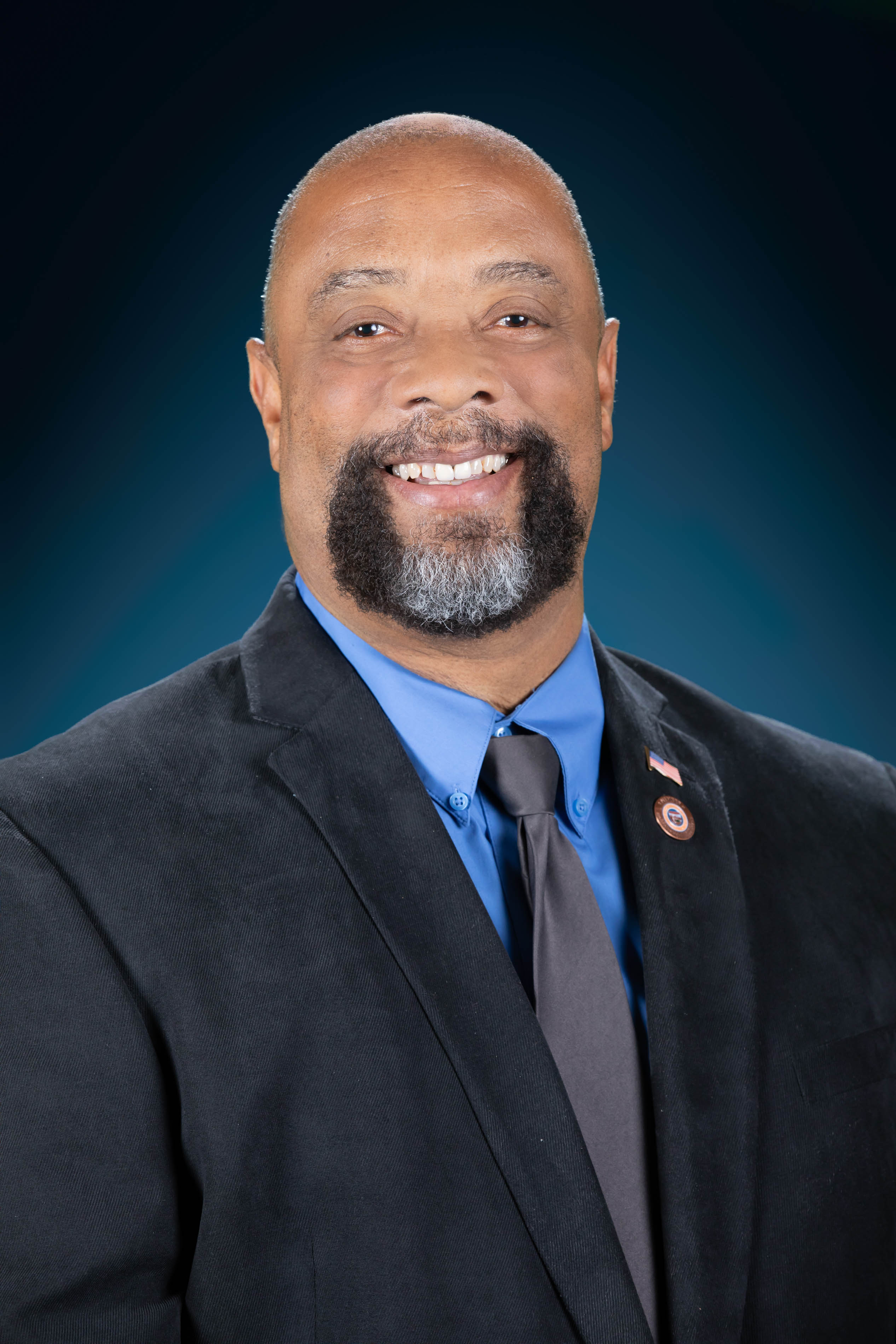
Maddy summaryHB 2266 requires Arizona school districts and charter schools to adopt written policies allowing student absences for religious purposes, including parental consent and off-school-site religious instruction. It also mandates that schools seek state approval before closing due to widespread illness, severe weather, student walkouts, or safety threats like violence or natural disasters. The bill directly affects all public and charter schools in Arizona, their students, and parents seeking religious exemptions. These changes would modify how schools handle religious absences and emergency closures under state law.
Sponsored bills
Maddy summaryHB 2340 amends Arizona law to define factors committees must consider when reviewing applications for environmental compatibility certificates for projects like power plants or transmission lines. It requires evaluation of nine specific factors, including wildlife habitats, historic sites, noise levels, public access, and cost impacts, with special emphasis on protecting areas with rare species or unique biological value. The bill also prohibits committees from requiring labor agreements (like union contracts) as a condition for approval and limits additional pollution standards beyond existing regulations. This directly affects developers seeking project approvals by mandating these environmental and cost considerations during the review process.
Maddy summaryHB 2328 amends Arizona law to require municipalities in counties with 1-4 million residents to charge the same water rates to residents living outside their city boundaries as they do to their own residents. This directly affects cities like Mesa or Chandler (if in such a county) that provide water to suburban or unincorporated areas. The key provision prohibits these municipalities from charging higher rates to non-resident customers, ensuring equal pricing for water services regardless of location within the service area. The bill does not change existing rate structures for water provided to other municipalities, which remain subject to prior agreements or cost-based studies. This policy change aims to prevent rate discrimination for customers outside municipal limits.
Maddy summaryHR 2006 is a ceremonial resolution passed by the Arizona House of Representatives honoring Yvonne Glee Lime Fedderson, who died on January 23, 2026. The resolution expresses the House's sympathy to her family and admirers while recognizing her founding role in Childhelp and her decades of work advancing child welfare programs, including establishing the first national child abuse hotline and advocacy centers. It directs the Secretary of State to transmit copies of the resolution to her family and Childhelp organization. As a non-binding commemorative measure, it does not create new laws or affect any policies.
Maddy summaryHB 4088 requires motor carriers transporting agricultural commodities (like produce, livestock, or feed) for intrastate commerce in Arizona to maintain liability insurance covering emergency towing and recovery services. If a towing operator isn't paid for these services (directed by law enforcement), they can place a lien on the commercial vehicle and the transported commodities, which must be recorded with the Secretary of State. The bill excludes farm-to-field operations, farmer self-hauling, and non-commercial vehicles. It defines "agricultural commodity" broadly and "emergency towing" as services performed under law enforcement direction. The bill failed to pass on February 17, 2026.
Maddy summaryHB 2269 repeals a tax deduction for gas and electric utilities in Arizona once state revenue loss from the deduction reaches $2.3 billion. It requires utilities claiming this deduction to report annual sales data, and the state department must calculate when the $2.3 billion threshold is met. If the threshold is projected to be reached within a year, the department must notify state leaders and set an expiration date for the deduction. Utilities must then notify customers 60 days before the deduction expires, including the new tax rate that will apply. This bill directly affects Arizona gas and electric utilities that currently claim the deduction under Section 42-5063(C)(3)(c).
Maddy summaryHCR 2061 proposes a constitutional amendment to prohibit individuals holding dual citizenship from serving in Arizona state office. It would amend the state constitution to require all state legislators and other elected officials (as listed in Article V, Section 1) to be U.S. citizens at the time of election, explicitly barring those with dual citizenship from eligibility. This change would directly affect candidates running for state legislative seats and other state offices requiring U.S. citizenship. The amendment must be approved by voters in the next general election after being submitted by the Secretary of State, as it is currently in early legislative stages (House first and second readings in February 2026).
Maddy summaryHB 2915 creates a fund to reduce property taxes for homeowners near qualifying large-scale renewable energy projects (solar or wind facilities with 100+ megawatts capacity). It directly affects residential property owners within a defined "eligible distance" (county zoning area) of such facilities, after the project's construction lowers their property's assessed value. The bill requires counties to deposit 50% of the post-construction value reduction from each affected home into a dedicated fund, which is then distributed annually as tax credits to eligible homeowners. The distribution method (equal, proportional to value, or other equitable approach) is chosen by the county board of supervisors each year.
Maddy summaryHB 2448 prohibits Arizona's Department of Economic Security from seeking, accepting, or renewing federal waivers that would exempt able-bodied adults without dependents from SNAP work requirements unless explicitly authorized by state law. It also blocks the state from granting exemptions from these work requirements without specific legislative approval. The bill directly affects SNAP recipients who might otherwise qualify for work requirement exemptions under federal rules. This is a procedural measure restricting state authority to bypass federal SNAP rules without clear legislative direction.
Maddy summaryArizona's HB 2442 requires able-bodied adults under 60 receiving SNAP benefits to join a state-mandated employment and training program, unless they qualify for specific exemptions. The bill directly affects SNAP recipients who are not exempt, such as those not working 30+ hours weekly, not caring for young children, or not enrolled full-time in school. Key exemptions include being a full-time student, caring for a child under six, participating in addiction treatment, or already working 30+ hours per week. This aligns with federal SNAP work requirements but sets Arizona-specific implementation rules for the program.