

Maddy summaryArizona's HB 2464 repeals the specific "RIGHT TO WORK" article heading in the state's labor code (Section 23-1302) and reclassifies it under "GENERAL PROVISIONS." The bill maintains existing liability protections for employees who face retaliation for refusing union membership (Section 23-1306) and preserves the right to non-union membership as protected employment policy under Section 23-1501(vi). It does not change the substance of Arizona's right-to-work law but alters its legal classification within the statutes. The bill's implementation depends on a future voter-approved constitutional amendment.
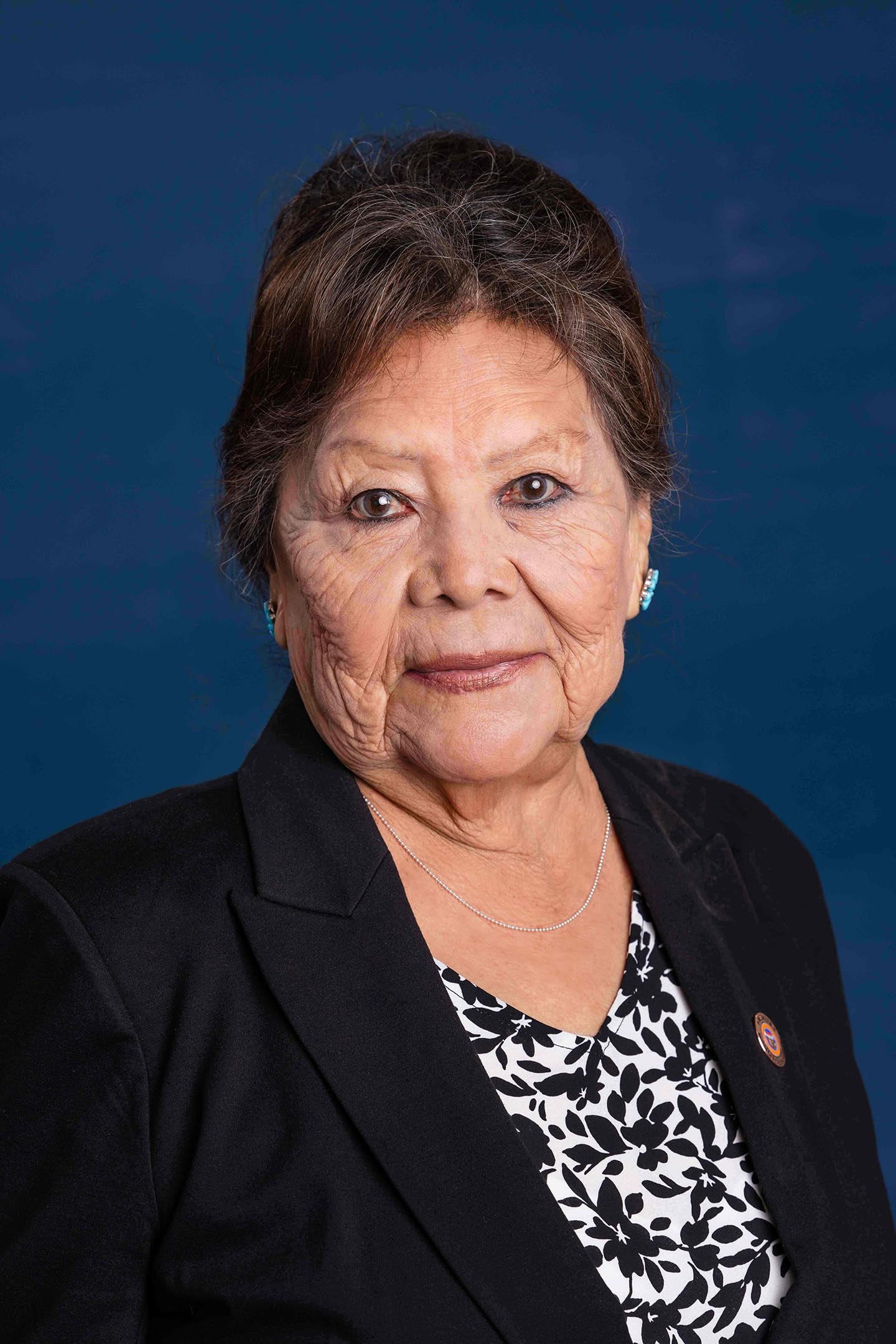
Rep. Mae Peshlakai
Sponsored bills
Maddy summaryHB 2742, the Arizona CROWN Act, prohibits employment and school discrimination based on "protective hairstyles" like braids, locks, or twists. It makes it illegal for employers, training programs, and schools (from nursery through postgraduate) to discriminate against individuals due to their hairstyle, race, or ethnicity. The law defines "protective hairstyle" broadly and explicitly ties it to race and ethnicity protections, including historically associated traits like hair texture. This directly affects employees and students in Arizona workplaces and educational institutions.
Maddy summaryHB 2709 limits landlord fees and requires clearer rental disclosures in Arizona. Landlords cannot charge for background checks if renters provide their own credit reports, may not charge more than the actual screening cost, and cannot charge multiple application fees within a year. Landlords must provide written disclosures before tenancy, including all mandatory fees, rent amounts, due dates, and optional costs (like trash valet or smart device upgrades), and include these details in all rental ads and websites. This directly affects Arizona landlords and renters by reducing unexpected costs and increasing transparency in rental agreements.
Maddy summaryHB 2711 modifies how Arizona allocates unclaimed property funds, such as abandoned bank accounts and stocks, that would otherwise go to the state general fund. It directs 55% of these funds to the housing trust fund, with 40% of that portion (22% of total funds) specifically reserved for rural housing development. The bill also specifies that $2 million goes to a trust fund for housing the seriously mentally ill, $2.5 million to the general housing trust fund, and $24.5 million to the department of revenue's administrative fund. This policy change affects state fund distribution without directly altering individual rights or services.
Maddy summaryHB 2708 limits late fees landlords can charge to $50 or 5% of rent, whichever is greater, and bans rental agreements that prevent tenants from calling emergency services or penalize them for doing so. It also requires a 5-day waiting period after an eviction judgment before a landlord can enforce a writ of restitution. Landlords cannot force tenants to waive legal rights or pay excessive fees, and tenants may recover damages if landlords knowingly include prohibited lease terms. The bill applies directly to all residential rental agreements in Arizona, affecting both landlords and tenants in housing disputes.
Maddy summaryHB 2634 establishes a study committee to examine health insurance costs for Arizona educators and their families. The committee, composed of representatives from school districts, teachers' organizations, health insurers, and school boards, will analyze current insurance plans and costs for both school districts and employees. It must recommend affordable ways to provide high-quality health coverage for educators and their dependents, then submit a report to state leaders by November 2027. The committee will dissolve on October 31, 2028. This is a procedural bill focused on research, not immediate policy changes.
Maddy summaryArizona's HB 2466 requires most Arizona employers to provide employees with specific break and pay protections. It mandates a 30-minute unpaid meal break after 5 hours of work (and an additional break after 12 hours), a paid 10-minute rest break every 4 hours, and extra pay rates: 1.5 times the regular wage for hours worked beyond 8 but not exceeding 12 in a day or for the first 8 hours on the seventh consecutive workday, and double the regular wage for hours beyond 12 in a day or beyond 8 hours on the seventh consecutive workday. The law applies to employers with annual sales of $100,000 or more or those engaged in interstate commerce, aligning with federal labor standards. This directly affects hourly workers and employers across Arizona who fall under these thresholds.
Maddy summaryHB 2468 authorizes placing a Rotary International peace pole monument in a designated area of Arizona's governmental mall. The bill requires Rotary International to cover all costs for fundraising, design, and construction - state funds cannot be used, and the government cannot facilitate fundraising. It also specifies the monument authorization expires on September 30, 2029. This is a procedural bill focused on monument placement with clear funding restrictions and a sunset date.
Maddy summaryHB 2649 repeals Section 1-219 of Arizona Revised Statutes, which previously defined certain rights and privileges related to unborn children. The bill removes this specific statutory language from Arizona law but does not create new rights or alter existing legal protections for individuals. This is a procedural change to the state code, directly affecting the legal text of the repealed statute. The bill does not impose new requirements or change how laws apply to people.
Maddy summaryHB 2475 prohibits Arizona law enforcement officers from wearing face coverings that conceal their face while on duty, directly affecting all police departments, sheriff's offices, and state law enforcement agencies. It requires each agency to create and publicly post a policy restricting face coverings to specific exceptions: active undercover work (with authorization), tactical operations requiring protective gear, or special weapons teams during active duties. The bill explicitly excludes clear masks, medical masks, safety gear for hazardous conditions, and motorcycle helmets from the prohibition. This law aims to increase officer visibility and public trust during routine interactions.