

Maddy summaryHB 2444 repeals a specific outdated provision (Section 9-461.16) from Arizona's zoning code while amending Section 9-462.01 to clarify existing zoning regulations. The bill directly affects Arizona municipalities that use these zoning codes for land use planning, including regulations on residential development, historical districts, and age-restricted communities. It makes no new policy changes but updates the legal text to remove redundant language and streamline the process for municipalities to adopt zoning rules. This is a technical correction to the state's zoning statutes, not a substantive change to housing policy.
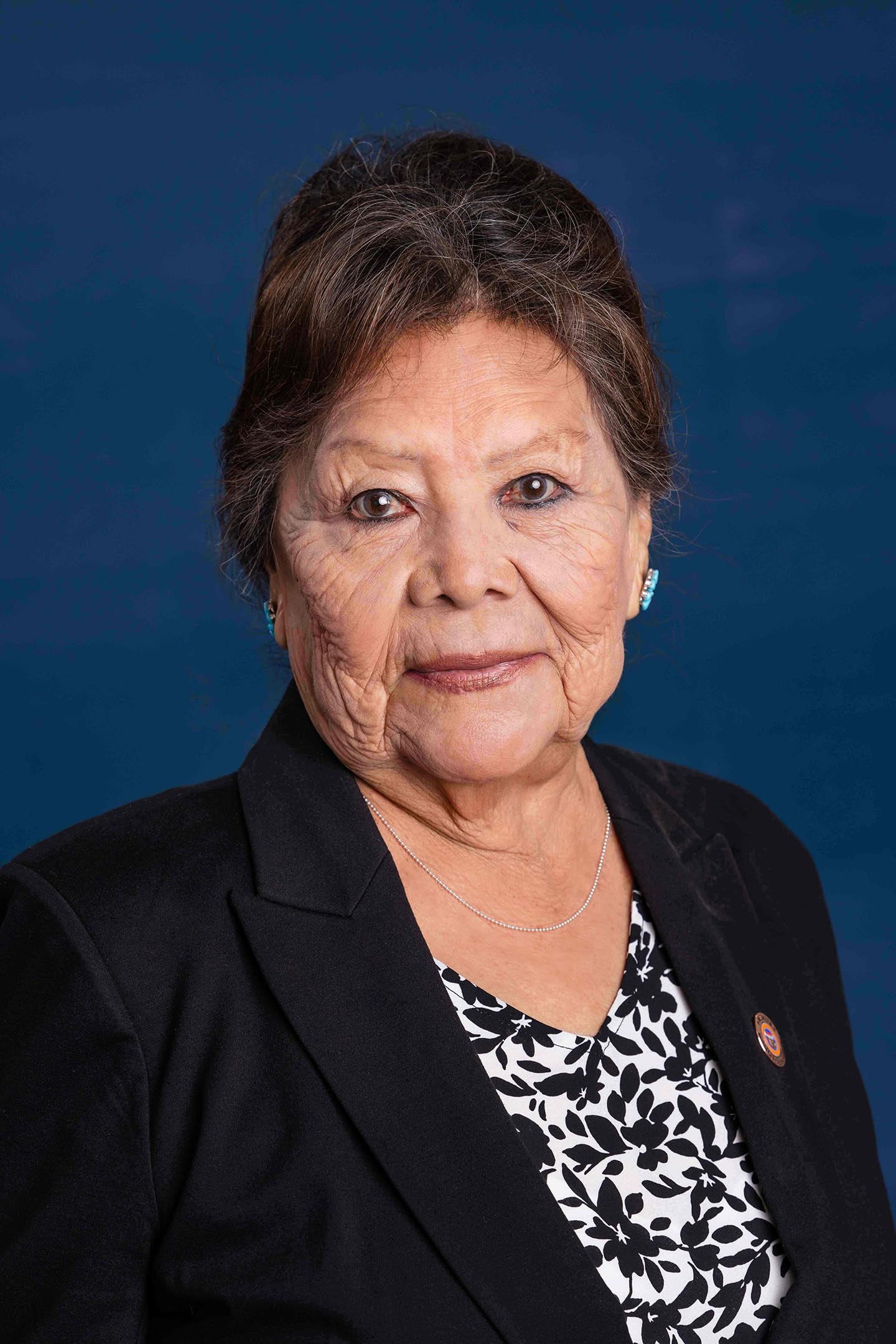
Rep. Mae Peshlakai
Sponsored bills
Maddy summaryHB 2652 prohibits employment and educational discrimination based on "protective hairstyles" like braids, locks, or twists. It makes it unlawful for Arizona employers, labor organizations, and schools (including private nurseries, K-12, and colleges) to discriminate against individuals due to their hairstyle, race, or ethnicity. The bill defines "protective hairstyle" broadly and explicitly links it to race, stating that traits historically associated with race - including hair texture and protective hairstyles - are protected. This law directly affects employers and educational institutions across Arizona by requiring them to remove hairstyle-based barriers in hiring, training, and school policies.
Maddy summaryHB 2504 amends Arizona statutes to standardize terminology and restrict immigration-related activities. It changes "legal resident alien" to "legal resident alien immigrant" in liquor licensing (Section 1), prohibits adoption of undocumented immigrants under age 21 (Section 2), and bans cities/counties from building work centers facilitating employment of undocumented immigrants (Sections 3-4). The bill also mandates state agencies to enforce federal immigration laws "to the full extent permitted" (Section 5). These changes directly affect liquor license applicants, adoption petitioners, and local governments constructing work centers.
Maddy summaryHB 2427 appropriates $10 million annually from the state general fund for fiscal years 2025-2026 and 2026-2027 to fund remedial education programs at Tohono O'odham Community College. The funds will be distributed through the governor's office on tribal relations, specifically for students enrolled in remedial classes at the college. This bill directly affects Tohono O'odham Community College and its students needing academic support. It provides concrete, dedicated funding for remedial education without altering broader educational policies.
Maddy summaryHB 2494 establishes an advisory task force to study employee misclassification and payroll tax fraud specifically in Arizona's construction industry. The task force, composed of agency directors (industrial commission, insurance, contractor registrar) and advisory members, will examine issues like revenue losses, enforcement effectiveness, and public awareness. It must submit annual reports to legislative committees by February 1, starting in 2027, detailing findings on misclassification frequency, economic impacts, and potential policy improvements. The bill does not change existing laws but creates a process to evaluate whether new regulations or enforcement strategies are needed.
Maddy summaryHB 2497 establishes a study committee to examine health insurance costs for Arizona school district employees and their dependents. The committee, composed of appointed members including health insurance representatives, school district officials, teachers, and school board members, will analyze current insurance plans and costs. It must recommend affordable ways to maintain high-quality health coverage for educators and their families. The committee must submit its findings and recommendations to state leaders by November 1, 2026, and will be dissolved after October 31, 2027.
Maddy summaryHB 2648 updates Arizona's child care assistance eligibility rules to support low-income working families and specific vulnerable groups. It expands access for families transitioning off cash assistance (up to 24 months), those with incomes at or below 165% of the federal poverty level (FPL), foster families, and families facing crises like domestic violence or homelessness. Key mechanisms include income thresholds (ceasing aid if income exceeds 85% of state median income), priority for families at or below 100% FPL, and options for education/training support instead of work requirements. The bill aims to align child care assistance with employment goals while managing funding through income-based eligibility and waiting list prioritization.
Maddy summaryHB 2336 creates a new "Native American Veteran special plate" option for Arizona vehicle owners. To implement this, a person must pay $32,000 to the state department by December 31, 2025, after which the department will issue the plates. The payer designs the plates (subject to department approval) and may combine the request with personalized plates. A $25 annual fee applies, with $17 of that amount donated to a dedicated "Native American Veteran special plate fund" established by the bill. This directly affects qualifying Native American veterans seeking this specific plate option.
Maddy summaryHB 2239 appropriates $4 million from Arizona's general fund for fiscal year 2025-2026 to the Navajo Department of Transportation. The funds will cover engineering services and early construction of rockfall mitigation measures for the N9073 road project, directly affecting safety improvements on that specific roadway. This appropriation is exempt from standard budget lapse rules under Arizona law.
Maddy summaryHB 2502 requires Arizona employers to provide employees with a 30-minute unpaid meal break after five hours of work (and an additional break after twelve hours), plus a paid 10-minute rest break for every four hours worked. It mandates 1.5 times regular pay for hours worked beyond eight in a workday (up to twelve hours) or the first eight hours on a seventh consecutive workday, and double pay for hours beyond twelve in a day or eight on the seventh consecutive workday. The bill applies to employers meeting the federal threshold of $100,000 annual sales or engaging in interstate commerce, ensuring Arizona’s labor standards align with the federal Fair Labor Standards Act. This directly affects most Arizona employers and their hourly workers by modifying break requirements and overtime compensation rates.