

Maddy summaryHB 2349 sets a 60-month (5-year) limit on cash assistance for most Arizona families receiving Temporary Assistance for Needy Families (TANF) benefits. It directly affects families where the head of household or spouse has received TANF cash aid for 60 months total, regardless of whether months were consecutive or funded from other states or tribal programs. Key exceptions include child-only cases, families living on Indian reservations with high unemployment, and situations where benefits were below the full monthly amount. Families meeting work and school attendance requirements (90% for children) may qualify for an additional 12 months under hardship provisions. The law applies retroactively from June 30, 2025, and terminates TANF eligibility for those exceeding the limit as of July 1, 2025.
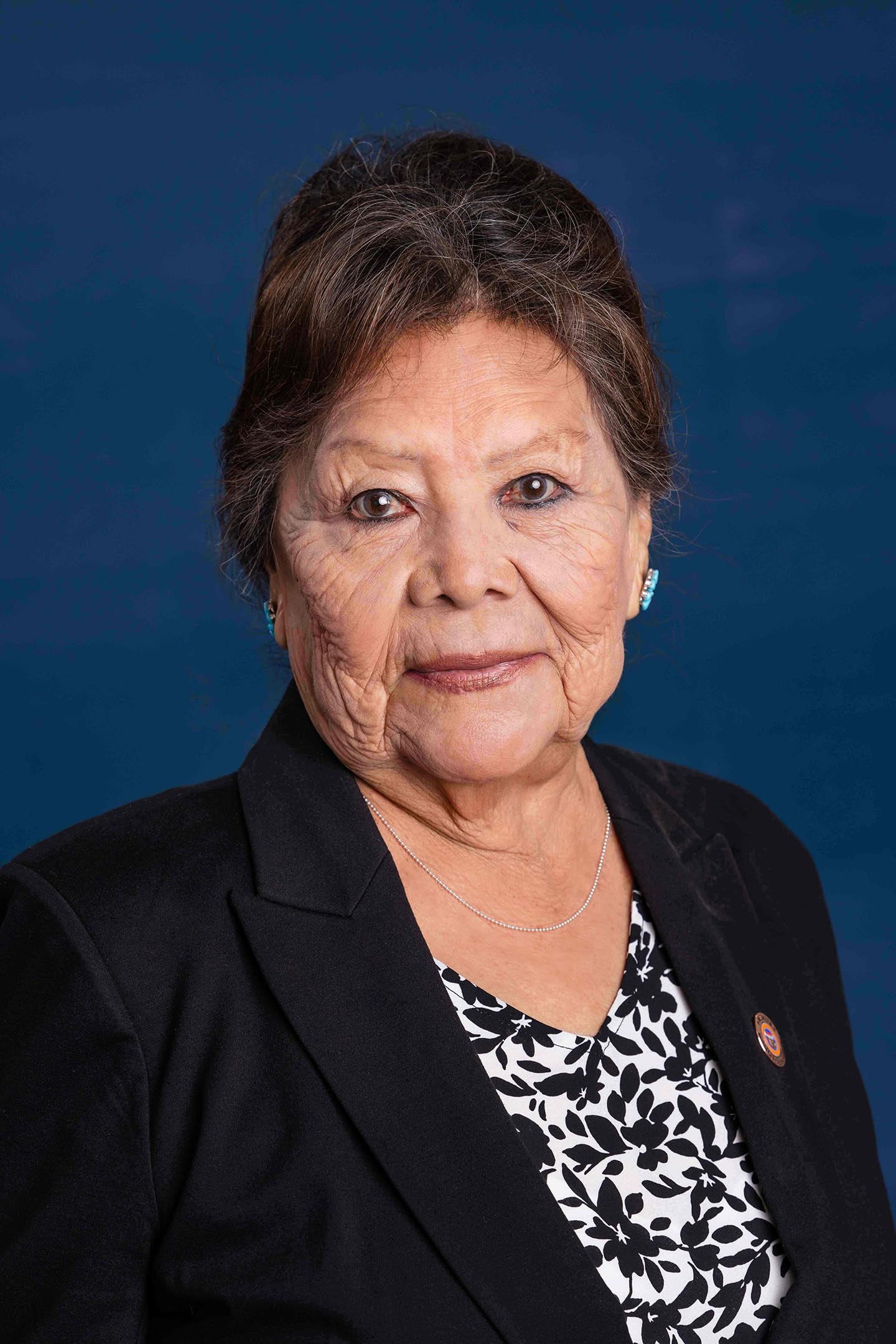
Rep. Mae Peshlakai
Sponsored bills
Maddy summaryHB 2565 creates a standardized process for voters to fix signature issues on mail and early ballots in Arizona. It requires county election officials to contact voters with mismatched or missing signatures, allowing them to correct these issues up to 5 business days after federal elections or 3 business days after other elections. The bill also mandates that counties provide voters with a tracking system showing ballot status and share daily lists of affected voters with political parties. These changes directly impact voters who submit mail/early ballots and county election offices responsible for processing ballots.
Maddy summaryHB 2500 creates the Arizona School Mental Health Professionals Academy, offering tuition and fee scholarships to graduate students pursuing school psychology, social work, or counseling degrees. Students receive up to three years of scholarship coverage (covering remaining costs after other aid) in exchange for a one-year service commitment per year of scholarship in Arizona public schools, particularly targeting high-need areas like rural schools, Indian reservations, and schools serving students with disabilities. The program is administered by the Arizona Board of Regents using a dedicated state fund, with institutions required to develop partnerships with schools and track graduates' employment. This policy directly affects graduate students in these fields and aims to increase mental health staffing in Arizona public schools through financial incentives tied to service.
Maddy summaryHB 2566 creates a new transportation excise tax in Arizona counties with over 3 million residents, effective after 2025. The tax applies to business transactions, retail electricity/gas use, and utilities at rates tied to existing tax brackets, generating revenue for transportation projects. Funds must be distributed as follows: 40.5% to state highway maintenance, 22.5% to arterial roads, and 37% to public transit (including light rail rehabilitation, capped at 3.5%). The tax expires after 20 years unless voters approve an extension, and it prohibits using funds for rail extensions or reducing highway lanes without specific safety and public input requirements.
Maddy summaryHB 2498 proposes a state-funded school safety program in Arizona to help school districts and charter schools hire staff including school resource officers, juvenile probation officers, counselors, social workers, and mental health professionals. Schools must submit detailed annual proposals by April 15 outlining safety needs, implementation plans (like law-related education or mental health programs), and evaluation methods for approval. The Arizona Department of Education will review proposals using crime and school data, distribute funds to approved programs, and require annual reports on effectiveness to state leaders. Funding is exempt from standard budget lapsing rules, allowing unused funds to carry over to the next fiscal year. The bill mandates specific requirements for mental health program proposals, including parent notification policies and community resource coordination.
Maddy summaryHB 2503 is a definitional bill that clarifies terms related to driver licenses and personal information in Arizona law. It defines key terms like "consular identification card" (a form of ID meeting specific state requirements), "highly restricted personal information" (including social security numbers, tax IDs, and medical data), and "express consent" for releasing such data. The bill establishes that personal information - including driver license details, medical codes, and identification numbers - cannot be shared without a customer's explicit written consent. This primarily affects how Arizona's Department of Transportation handles and discloses personal data, requiring opt-in consent for sharing sensitive information like tax IDs or medical records.
Maddy summaryHB 2556 amends Arizona's liquor license rules to clarify transfer procedures and ownership changes for spirituous liquor licenses (like bars and liquor stores). It creates a rebuttable presumption that public convenience was established when a location already holds a valid license of the same type, unless the location has been inactive for over 180 days. The bill requires license owners to notify the state director within 30 business days of any change in control, gives local governments 60 days to review new ownership and provide recommendations, and specifies that minor ownership changes (without new controlling persons) don’t trigger a transfer. This directly affects businesses seeking to transfer licenses or change ownership, streamlining some processes while adding review steps for significant ownership shifts.
Maddy summaryHB 2495 amends Arizona law to establish standards for online schools and instruction. It requires new online schools to operate under probationary status for three years, demonstrating improved student academic performance before becoming permanent. The bill mandates daily time tracking for online students, sets specific curriculum and safety standards for online programs, and adjusts funding to 95% of base support for full-time online students (compared to traditional schools). These provisions directly affect Arizona online schools, their students, and school districts managing online enrollment. The bill does not relate to full-day kindergarten as the title suggests.
Maddy summaryArizona's HB 2647 requires landlords to offer tenants the optional chance to have their rental payments reported to credit bureaus. Landlords must provide a written offer at lease start and annually, disclosing that reporting is optional, including all payments (on time or late), any fee ($10 max or actual cost), and how to opt in or out. Tenants can stop reporting at any time but cannot restart for six months. Landlords may charge a fee for reporting, but nonpayment of this fee cannot be treated as rent nonpayment or affect security deposits.
Maddy summaryHB 2445 modifies Arizona's tax deed sale process to prioritize affordable housing. It allows counties, cities, towns, or special districts to purchase tax-deeded properties (land seized for unpaid taxes) for low-income housing projects, provided the housing meets HUD standards and includes a 30-year covenant requiring continued affordability. This directly affects local governments seeking to develop or acquire land for affordable housing, as it permits them to buy such properties without public auction and sell/lease them below market value while maintaining long-term affordability. The bill does not change tax collection or general sale procedures but creates a specific pathway for affordable housing development using tax-foreclosed land.