

Maddy summaryHB 4025 establishes a study committee to examine Arizona's reliance on imported gasoline (notably from California, which supplies ~50% of the state's fuel, especially in Phoenix and Maricopa County) and study the feasibility of building local refineries. The committee, appointed by legislative leaders, must report by October 1, 2027, on gasoline supply issues and refinery options, with the committee dissolving after December 31, 2027. This bill directly addresses concerns about supply vulnerabilities affecting consumers but does not enact new regulations or funding.
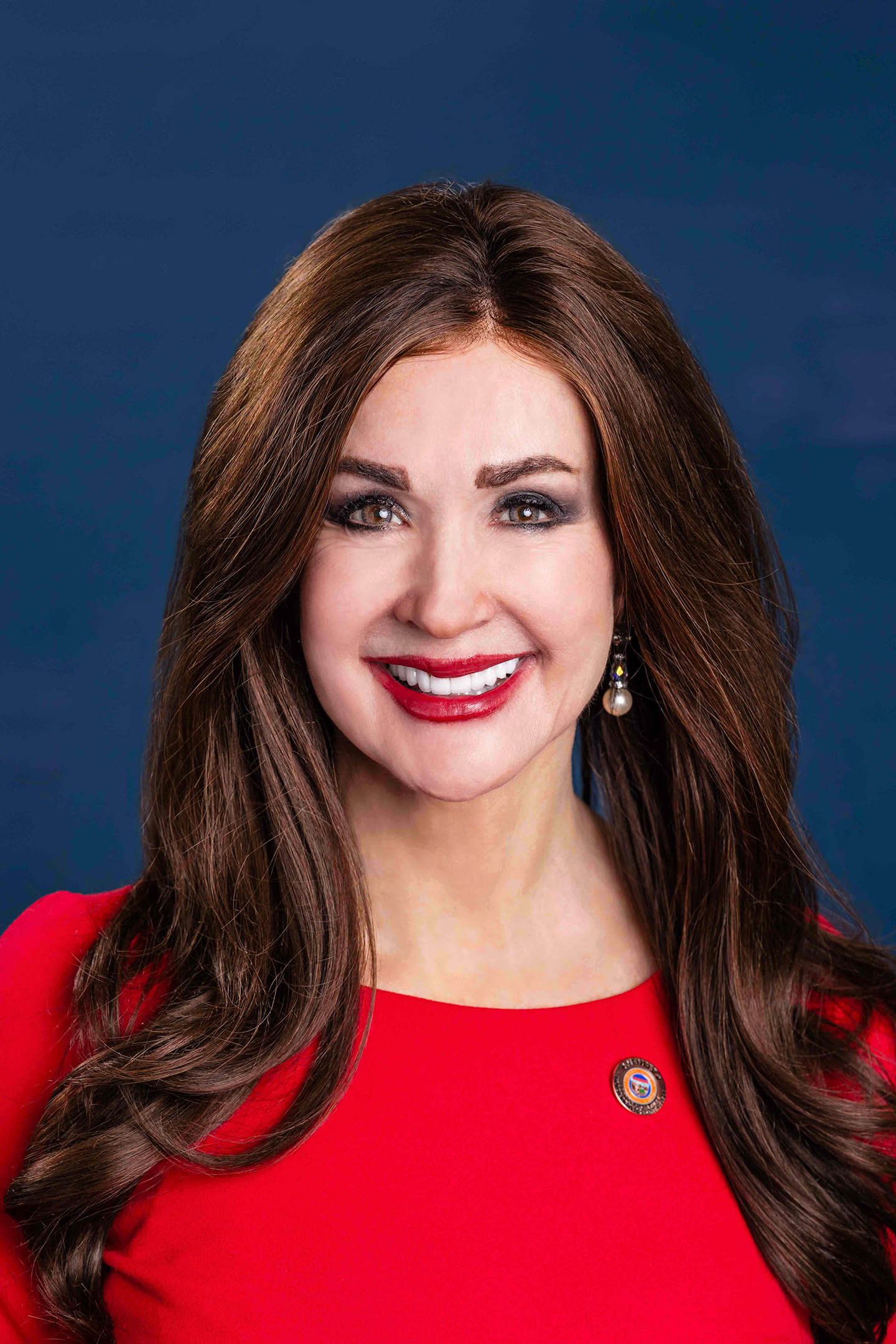
Rep. Pamela Carter
Sponsored bills
Maddy summaryHB 2318 establishes term limits for school district governing board members in Arizona. It prohibits candidates from running for re-election if they've served eight consecutive years on the board and less than four years have passed since their last term, specifically affecting those seeking office in districts with 250+ students. The bill modifies election procedures, including staggered terms when districts change board size and handling tied votes by lot. It does not change current board members' terms, allowing them to serve until their existing terms expire. This is a procedural change focused on election rules, not funding or curriculum.
Maddy summaryThis bill sets requirements for Arizona's homebuyer and downpayment assistance programs. First-time homebuyers must be Arizona residents for two years before applying, occupy the home as their primary residence for two years, and cannot use it as a vacation or short-term rental (per defined statutes) until repaying program funds. It also prohibits out-of-state investors from accessing these programs. These rules apply directly to state-run assistance programs and their recipients.
Maddy summaryThis is a ceremonial resolution (HCR 2064) expressing the Arizona Legislature's condolences upon the passing of former state legislator Barbara Leff. It honors her 1996-2006 service representing Paradise Valley, her work on HMO reform and economic development, and her contributions to voter information systems. The resolution extends sympathy to her surviving family members (husband, children, grandchildren) and acknowledges her community leadership. It has no policy impact or legislative effect beyond this expression of respect.
Maddy summaryHB 2913 formally establishes the "county land commissioner" as a defined county officer position in Arizona statutes. It sets salary standards for this role based on county population size (e.g., $96,600 annually for commissioners in large counties starting in 2025), and explicitly defines the commissioner's duties regarding state lands within the county. The bill specifies the commissioner manages state land leases, auctions, and conflicts, determining terms, highest bids, and best land uses. These changes clarify existing responsibilities by codifying the position's role and compensation structure without introducing new policies.
Maddy summaryHB 2396 requests an Arizona waiver from the U.S. Department of Agriculture to expand what SNAP (food stamp) recipients can purchase with their benefits. If approved, SNAP recipients would be allowed to buy specific items currently restricted, including fresh/frozen meats, various milks (like almond or organic), cheeses, 100% juices, eggs, whole grains, and certain cooking oils. The bill requires Arizona's Department of Economic Security to annually request this federal waiver until granted. It does not affect existing approvals under the WIC program for other nutrition benefits.
Maddy summaryHR 2006 is a ceremonial resolution passed by the Arizona House of Representatives honoring Yvonne Glee Lime Fedderson, who died on January 23, 2026. The resolution expresses the House's sympathy to her family and admirers while recognizing her founding role in Childhelp and her decades of work advancing child welfare programs, including establishing the first national child abuse hotline and advocacy centers. It directs the Secretary of State to transmit copies of the resolution to her family and Childhelp organization. As a non-binding commemorative measure, it does not create new laws or affect any policies.
Maddy summaryHB 4135 creates a new child care tax credit for Arizona taxpayers with children under five who use certified child care providers. The credit provides $2,000 per child for families with federal adjusted gross income of $75,000 or less, and $1,000 for incomes between $75,000 and $150,000 annually. A total of $15 million in credits is available each year on a first-come, first-served basis, with excess credits paid as refunds. The credit applies to tax returns filed for 2026 and later, supporting working families seeking quality early childhood care.
Maddy summaryHCR 2061 proposes a constitutional amendment to prohibit individuals holding dual citizenship from serving in Arizona state office. It would amend the state constitution to require all state legislators and other elected officials (as listed in Article V, Section 1) to be U.S. citizens at the time of election, explicitly barring those with dual citizenship from eligibility. This change would directly affect candidates running for state legislative seats and other state offices requiring U.S. citizenship. The amendment must be approved by voters in the next general election after being submitted by the Secretary of State, as it is currently in early legislative stages (House first and second readings in February 2026).
Maddy summaryHB 4050 is a definitional amendment to Arizona's homeowners' association law, not a substantive policy change. It revises two sections (33-1202 and 33-1256) to clarify terms like "common expense lien," "unit owner expenses charges," and "common expenses" within condominium association documents. The bill directly affects homeowners' associations, unit owners, and property managers by standardizing terminology used in lien claims and assessment collections. This provides clearer legal language for existing foreclosure processes but does not alter how foreclosures are conducted. The bill is currently in early legislative stages (House First/Second Reading).