

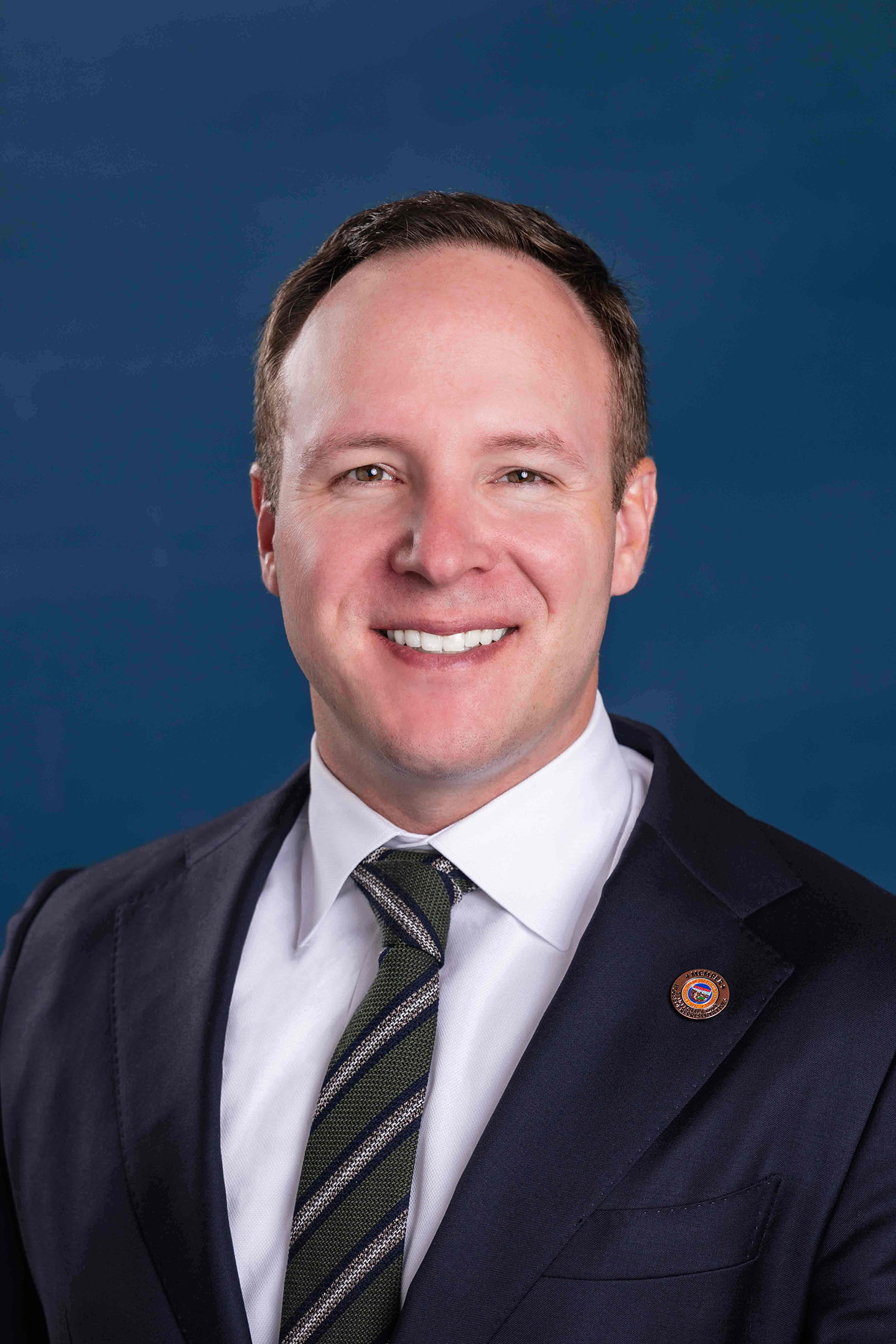
Photo of Matt Gress
R Arizona House · District 4 On the 2026 ballot

Rep. Matt Gress

Compare
Total votes
2,940
all sessions
Attendance
94%
166 missed
Near the chamber average
With party
94%
of cast votes
Near the chamber average
Bipartisan score
5%
crosses aisle rarely
Near the chamber average
Sponsored
356
bills & resolutions
Near the chamber average
Committees
6
assignments
356 bills and resolutions

Sponsored bills

Total
356
Primary
175
Co-sponsor
181
This page
356
matching current filters
Co-sponsor HB 2199
Introduced · Arizona House · Co-sponsor
prescription drugs; advertising; requirements

Maddy summaryHB 2199 requires that advertisements for prescription and nonprescription drugs on TV, radio, or online must clearly present major side effects and usage restrictions ("major statement") at the same volume, clarity, and pace as the rest of the ad. It prohibits using distracting audio or visual elements that could interfere with understanding these critical health details. The bill directly affects drug manufacturers and advertisers operating in Arizona. If passed, it would mandate that health risks are communicated as prominently as promotional content in digital and broadcast ads.

Introduced Jan 22, 2025 1 co-sponsor
Primary HB 2064
Introduced · Arizona House · Lead sponsor
health care; interoperability grants; appropriation

Maddy summaryHB 2064 appropriates $6 million to fund a single grant for interoperability software connecting rural hospitals, healthcare providers, and trauma centers. The software must comply with HIPAA privacy rules, enable real-time clinical data sharing (like lab results) between providers via mobile apps, and include features like proactive alerts. Rural facilities directly affected will use this system to improve care coordination, reduce costs, and minimize unnecessary patient transportation. The grant recipient must demonstrate veteran employment and report annually on cost/time savings. The program runs through fiscal year 2027-2028 with mandatory federal matching funds.

Introduced Jan 22, 2025 0 co-sponsors
Primary HB 2276
Introduced · Arizona House · Lead sponsor
legislative ratification; rulemaking; regulatory costs

Maddy summaryHB 2276 requires Arizona state agencies to submit proposed rules expected to increase regulatory costs for businesses by more than $100,000 within five years for review by the Office of Economic Opportunity. If the cost exceeds $500,000, the rule cannot take effect until the legislature passes separate legislation approving it. Agencies cannot finalize such rules without this legislative approval, and if the legislature doesn't act during the session, the proposed rule must be terminated. This directly affects state agencies creating new rules and businesses subject to those rules, adding a legislative review step for high-cost regulations.

Introduced Jan 22, 2025 0 co-sponsors
Primary HB 2186
Introduced · Arizona House · Lead sponsor
prohibition; cat declawing; exceptions

Maddy summaryHB 2186 prohibits the surgical procedure known as "declawing" (amputation of a cat's claws) or "tendonectomy" (modifying tendons to prevent claw extension) in Arizona, except when performed for a documented medical necessity. The bill defines "therapeutic purpose" as addressing an existing infection, disease, injury, or abnormal condition that jeopardizes the cat's health, explicitly excluding cosmetic or convenience reasons. This law directly affects veterinarians who perform these procedures on cats, requiring them to justify any declawing as medically necessary under the statute. The bill focuses on clarifying prohibited practices through defined terms rather than imposing new penalties or enforcement mechanisms.

Introduced Jan 21, 2025 0 co-sponsors
Primary HB 2075
Introduced · Arizona House · Lead sponsor
TPT; prime contracting; senior housing

Maddy summaryHB 2075 amends Arizona's tax code to change how prime contractors calculate their tax base, not to address senior housing (the title appears misleading). It sets the tax base at 65% of gross income for prime contracting businesses, with specific deductions allowed for items like land sales, groundwater equipment, furniture, and certain environmental cleanup work. Key provisions include deductions for contracts in military reuse zones, environmental remediation projects, and machinery/equipment installations with "independent functional utility." The bill directly affects construction companies and manufacturers qualifying for these tax deductions but does not create new housing programs or impact senior housing.

Introduced Jan 15, 2025 0 co-sponsors
Primary HB 2010
Introduced · Arizona House · Lead sponsor
youth charity organization special plates

Maddy summaryHB 2010 creates a new "youth charity organization special plate" program for Arizona vehicle owners. To activate the plates, a person must pay $32,000 to the state department upfront, then pay an annual $25 fee ($17 of which goes directly to a youth charities fund). The $17 annual donation is deposited into a dedicated fund supporting youth charities, while the $8 administration fee goes to the state highway fund. This program directly affects Arizona residents who purchase these special plates, with the funds benefiting youth charitable organizations.

Introduced Jan 15, 2025 0 co-sponsors
Co-sponsor HB 2618
Signed into law · Arizona House · Co-sponsor
spirituous liquor; DHS; inspection; exemption

Maddy summaryThis bill amends the powers and duties of the Arizona Department of Health Services director, specifically expanding authority to inspect premises and vehicles for health violations. It allows the director to enter a wider range of locations, including restaurants and factories, to enforce health laws and requires public hearings before leasing state hospital property to third parties. Additionally, the legislation grants the director flexibility to delegate certain functions to local health agencies and establish emergency measures for controlling infectious diseases. The changes aim to streamline public health enforcement and improve the management of state hospital assets without altering the core structure of the department.

Signed into law Jun 21, 2024 1 co-sponsor
Primary HB 2704
Signed into law · Arizona House · Lead sponsor
foster youth permanency project team

Maddy summaryThis bill creates a new pilot project team in Arizona to help foster youth achieve permanent placements before or after they turn eighteen. The team will consist of social workers, attorneys, guardians ad litem, and other experts who meet with children and their caregivers to identify barriers to permanency and develop solutions. By reviewing case files and holding ongoing meetings, the group aims to connect children with willing families or other suitable living arrangements while protecting their privacy. The department must also submit a report by July 2026 detailing the pilot's results and offering recommendations for future improvements.

Signed into law Jun 21, 2024 0 co-sponsors
Co-sponsor SB 1174
Signed into law · Arizona Senate · Co-sponsor
tuition; family; posttraumatic stress; suicide

Maddy summarySB 1174 expands tuition waiver scholarships in Arizona for children and spouses of public safety and military personnel who died in the line of duty or from injuries sustained while traveling to or from work. The bill specifically includes individuals who suffered a posttraumatic stress injury and died by suicide, requiring verification from relevant memorial boards or the department of veterans' services. Eligible recipients can receive up to 64 credit hours at community colleges or enough credits for a bachelor's degree at universities, provided they meet age and marital status requirements. Additionally, the law extends these benefits to National Guard members with Purple Heart citations and veterans with significant service-connected disabilities.

Signed into law Jun 21, 2024 1 co-sponsor
Co-sponsor HCR 2038
Passed · Arizona House · Co-sponsor
drug cartels; terrorist organizations

Maddy summaryThis bill proposes to declare drug cartels as terrorist organizations within Arizona state law. It directs the Department of Homeland Security to take all actions within its authority to address the threat posed by these groups. The legislation defines a drug cartel as an association involved in human smuggling, drug trafficking for profit, or acts of terrorism, and defines a threat as anything harming individual rights or public safety. If approved by voters, this change would formally categorize drug cartels alongside terrorist organizations for legal and enforcement purposes.

Passed Jun 15, 2024 1 co-sponsor
Showing 191 to 200 of 356 bills
Previous 1 … 19 20 21 … 36 Next