

Maddy summarySB 1604 amends Arizona law to ensure time spent in a licensed secure health facility by defendants found incompetent to stand trial counts toward their criminal sentence for the original charges. It directly affects defendants in Arizona who are deemed incompetent and committed to such facilities under Section 13-4521. Key provisions require courts to credit all time served in these facilities against the sentence for the underlying offense (Section 13-712), limit commitment periods to the presumptive sentence for the original charge (Section 13-4521), and mandate specific hearings to determine dangerousness within 120 days (Section 13-4521). The bill streamlines how custody time is calculated for this population, ensuring it reduces the total prison time they would otherwise serve. This law was signed by the governor in May 2025.
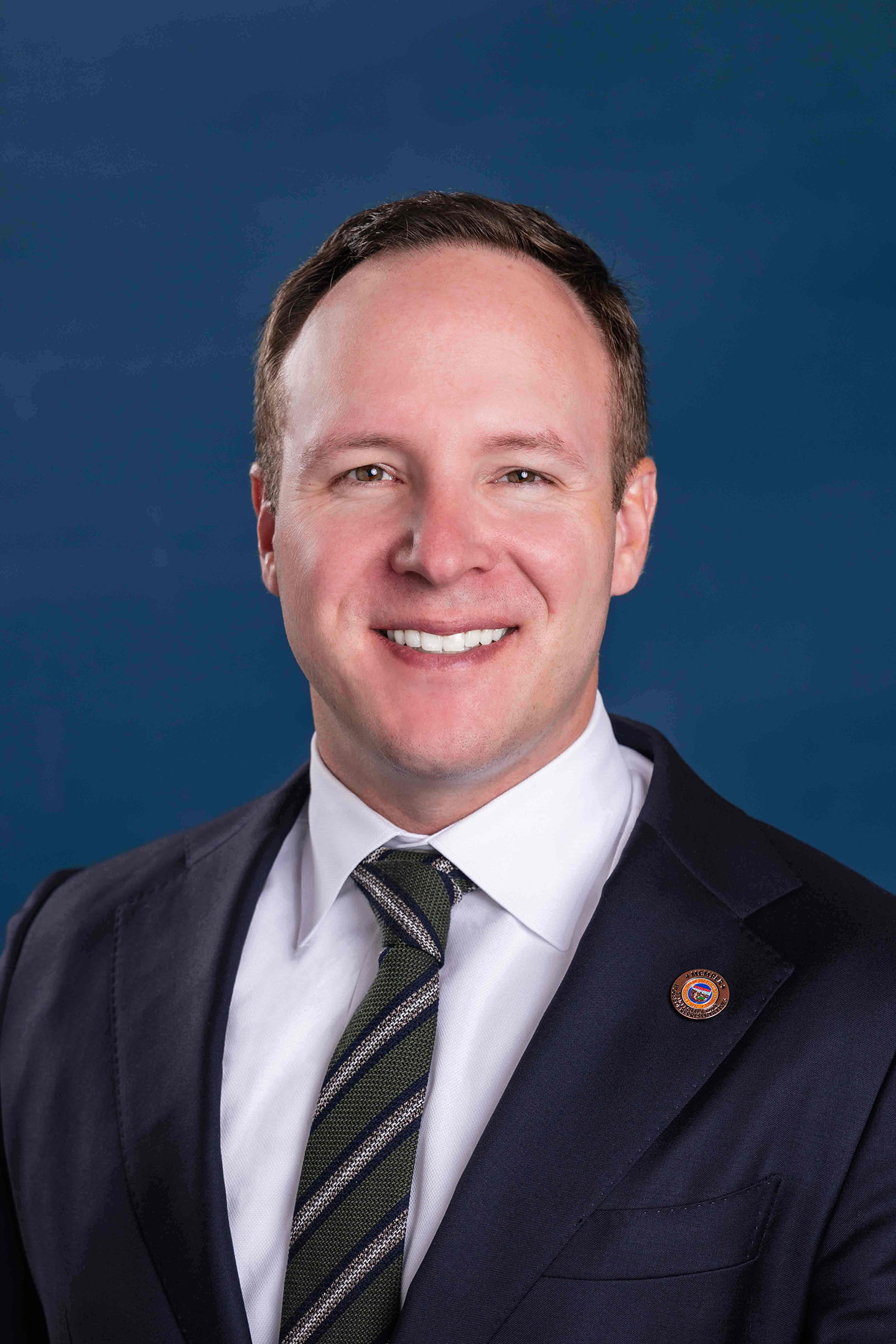
Rep. Matt Gress
Sponsored bills
Maddy summarySB 1443 establishes a "parental bill of rights" in Arizona law, directly affecting parents of minor children and government entities like schools, healthcare providers, and child welfare agencies. It codifies specific parental rights - including control over education, health care decisions, access to medical records, and notification of suspected child-related incidents - and prohibits government interference without meeting a strict legal standard. The bill adds a new provision allowing parents to sue for compensatory damages of at least $2,500 per violation if government entities unlawfully interfere with these rights. Despite passing the legislature in April 2025, it was vetoed by the Governor on May 2, 2025, and did not become law.
Maddy summarySB 1282 creates a new offense called "aggravated unlawful flight" for drivers who recklessly endanger others while fleeing police. It classifies this as a class 4 felony generally, but elevates it to a class 2 felony if the driver causes serious injury, transports a minor under 15, or was already violating specific traffic laws (like driving under suspension). Convicted individuals in the class 2 felony scenario must serve at least four months in prison before becoming eligible for probation or early release. The bill directly affects drivers who flee law enforcement in a reckless manner, with stricter penalties for certain aggravating circumstances.
Maddy summaryHB 2765 establishes the Arizona Teachers Academy, providing scholarships to cover tuition and fees for students pursuing teaching careers at eligible Arizona community colleges and universities. It directly affects education students, particularly those training in high-demand fields like special education, STEM, and rural/low-income schools, requiring them to teach one year in an Arizona public school for each year of scholarship received. The program uses existing state funds to cover scholarship gaps after other aid, with repayment required if students fail to fulfill teaching commitments. It also mandates partnerships between institutions and schools to align teacher placements with community needs. The bill was signed into law in April 2025.
Maddy summaryHB 2640 requires Arizona school districts to annually publish a list of vacant and partially used buildings, making this information publicly available to charter and private schools. The bill prohibits school districts from blocking charter or private schools from bidding on these properties and mandates they accept the highest bid from such schools if offered. For existing leases, school districts must justify rent increases with specific factors (like maintenance costs) and hold a 90-day public comment period before terminating a lease. Additionally, school districts must first offer used equipment to charter or private schools before selling it to other buyers.
Maddy summaryHB 2375 sets clear deadlines for evaluating children with suspected disabilities in Arizona schools. It requires school districts to complete initial evaluations within 60 days of parental consent and to respond to evaluation requests submitted between May 1 and September 1 within 15 days. The bill also clarifies that parents must provide written consent before a child is placed in special education, and it outlines due process procedures for disputes about evaluations or placements. This directly affects school districts, parents, and students with disabilities by standardizing timelines and consent requirements. The law amends Arizona Revised Statutes Section 15-766 to align with federal special education standards.
Maddy summaryHB 2169 clarifies school board meeting locations and financial procedures in Arizona. It allows school boards to meet at public facilities outside their district if convenient, requires monthly meetings during the school year, and specifies that leftover grant funds can reduce local school taxes. These changes directly affect school district boards, administrators, and county treasurers managing district finances. The bill passed the legislature in April 2025 but was vetoed by the governor on April 18.
Maddy summarySB 1441 would require school board elections in Arizona to be nonpartisan by removing political party designations from ballots for school district governing board candidates. The bill would amend election statutes to place school board candidates in a "Nonpartisan Ballot" section, listing their names without party labels or partisan titles. This change would directly affect all Arizona school districts and candidates running for school board positions by eliminating party affiliations from the ballot. The bill passed the legislature in April 2025 but was vetoed by the governor, so it did not become law.
Maddy summaryHB 2432 requires Arizona sheriff's offices to designate at least one parking lot as a "neutral safe exchange location" for child custody exchanges. These locations must have purple lights or signs, 24/7 access, proper lighting, and video cameras recording continuously for 45 days. The law applies to parents in custody disputes where courts determine safety concerns exist during exchanges, and it shields sheriffs and staff from liability for incidents at these sites. The bill updates parenting plan requirements to include specific exchange procedures and allows courts to mandate these safe locations when needed for child or parent safety.
Maddy summaryHB 2733 grants legal immunity to Arizona government agencies and employees (like law enforcement) who intercept, disable, or destroy unmanned aircraft (drones) within 30 miles of the state's international border. It protects them from liability for injuries caused during these actions unless they intentionally harmed someone or were grossly negligent. The law specifically applies to drone operators (defined as anyone controlling a drone, including owners or groups acting together) and covers contractors working for government entities. This bill directly affects border enforcement practices and drone operators operating near Arizona's international border.